Greenland ice sheet is seeing an alarming melt rate; Here's why
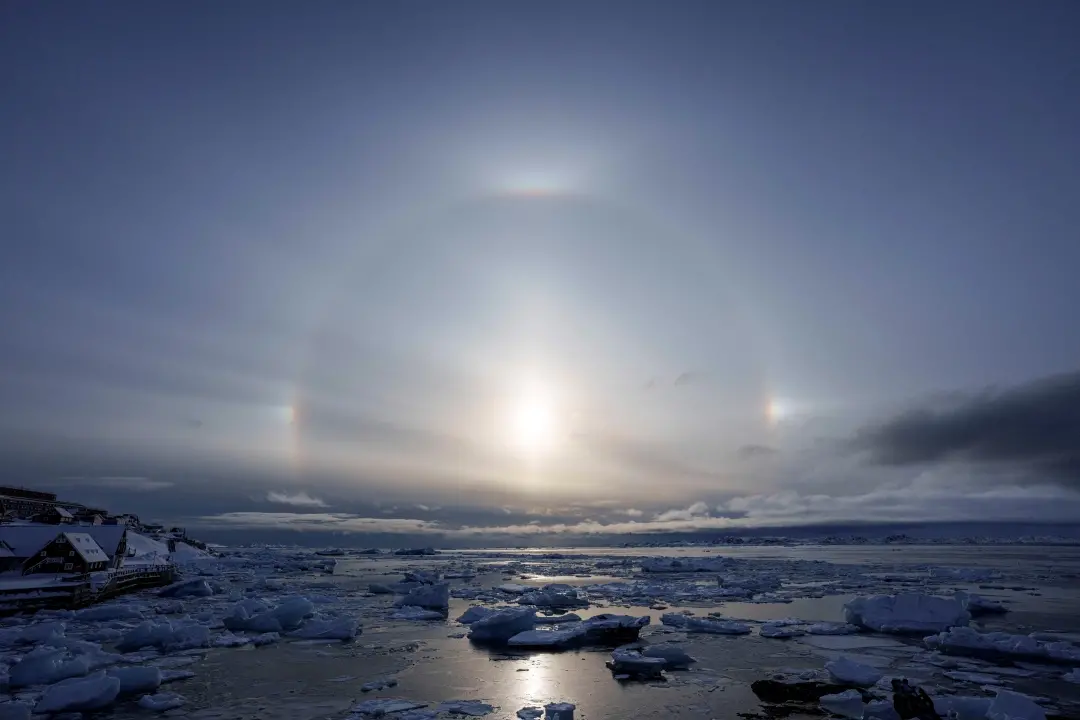
Greenland's vast ice sheet experienced a melt rate 17 times higher than its historical average during a heatwave in May, a phenomenon that also impacted Iceland, according to a report released Wednesday by the scientific network World Weather Attribution (WWA).
This accelerated melting is a direct consequence of climate change, experts warn.
"The melting rate of the Greenland ice sheet, from a preliminary analysis, by a factor of 17... means the Greenland ice sheet contribution to sea level rise is higher than it would have otherwise been without this heatwave," stated Friederike Otto, a co-author of the WWA report, to media persons. She emphasized that "without climate change this would have been impossible."
The findings underscore the escalating impact of global warming on the Arctic region, a critical indicator of climate health due to its disproportionate warming compared to the rest of the planet.
Such rapid melting events contribute significantly to rising global sea levels, posing a growing threat to coastal communities worldwide.
The WWA report, which analyzes the influence of climate change on extreme weather events, highlights that the May heatwave across Iceland and Greenland set new temperature records.
For instance, Egilsstaðir Airport in Iceland recorded 26.6°C on May 15, breaking the previous May record, while Greenland's Ittoqqortoormiit station saw temperatures reach 14.3°C on May 19, more than 13°C above its average May daily maximum.
Scientists involved in the study indicated that while climate models might slightly underestimate the observed increase in heat, climate change made this extreme heat about 3°C hotter and approximately 40 times more likely.