Melting away: Europe becomes fastest-warming continent as climate crisis worsens
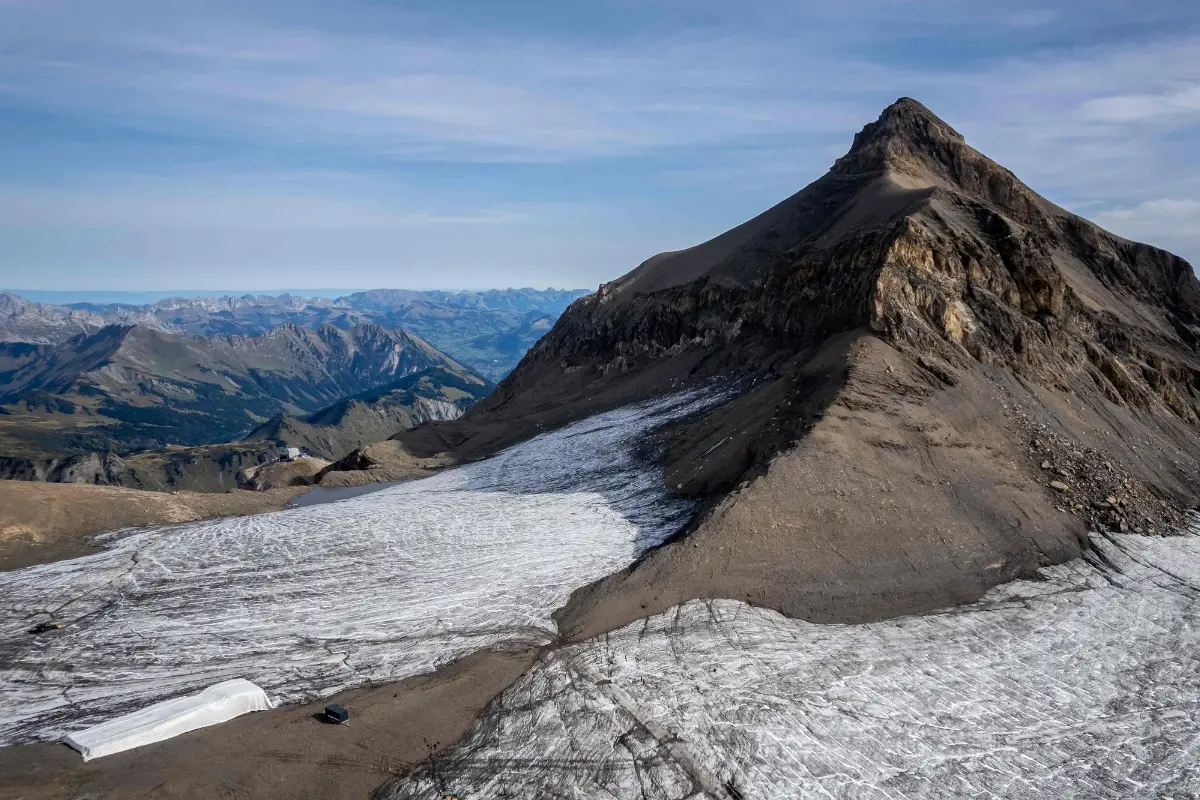
Europe is now facing climate change at a pace that is outstripping every other continent, according to a new UN-backed report that warns of rapidly intensifying heat, fires, and environmental breakdown across the region.
From Arctic heatwaves to Mediterranean wildfires and shrinking glaciers, scientists say the impacts are no longer distant warnings but visible realities unfolding in real time across the continent.
Europe has been identified as the fastest-warming continent in a new climate report jointly released by the World Meteorological Organization (WMO) and the European Centre for Medium-Range Weather Forecasts (ECMWF). The findings highlight that 2025 brought widespread and severe climate impacts across the continent, driven by rising temperatures and changing weather patterns.
Key finding: rapid warming across Europe
The report states that Europe is warming at roughly twice the global average rate, making it the fastest-warming continent. Nearly all of Europe experienced above-average temperatures in 2025, reflecting a long-term upward trend in regional warming. Experts warn that climate change in Europe is already a present reality rather than a future risk.
Extreme heat and heatwaves
2025 saw intense and widespread heat across Europe. A prolonged heatwave affected sub-Arctic regions including Norway, Sweden, and Finland, where temperatures exceeded 30°C within the Arctic Circle. Southern Europe also experienced sustained hot conditions, showing how extreme heat is spreading across multiple climate zones.
Hot and dry conditions fuelled severe wildfire activity across the continent. More than 1 million hectares of land burned in 2025, an area roughly the size of Cyprus. Several countries reported major fire impacts, and emissions from wildfires reached record levels, worsening air quality and environmental stress.
Drought and water stress
Drought conditions affected large parts of Europe. Around 70% of rivers recorded below-average flows, and soil moisture levels fell to among the lowest since 1992. Reduced rainfall and higher evaporation intensified pressure on agriculture, water supplies, and energy production.
Europe’s seas also experienced unusual warming. Marine heatwaves affected most ocean areas around the continent, with record-high sea temperatures recorded in parts of the Atlantic and Mediterranean. Waters near the UK, Ireland, and Iceland saw particularly strong anomalies.
Snow and glacier decline
Cold-region indicators showed significant change. Snow cover across Europe dropped sharply, and glacier loss continued across multiple regions. Iceland recorded one of its largest glacier losses on record, highlighting long-term cryosphere decline.
Climate scientists involved in the report stress that Europe is warming faster than any other continent. They describe the impacts as already visible and accelerating, with urgent action needed to reduce further damage and adapt to changing conditions.
The report presents a clear picture of accelerating climate disruption across Europe, with rising temperatures driving extreme weather, environmental loss, and growing ecological stress across the continent.