Boeing avoids criminal trial over 737 Max crashes by paying $1.1billion fine
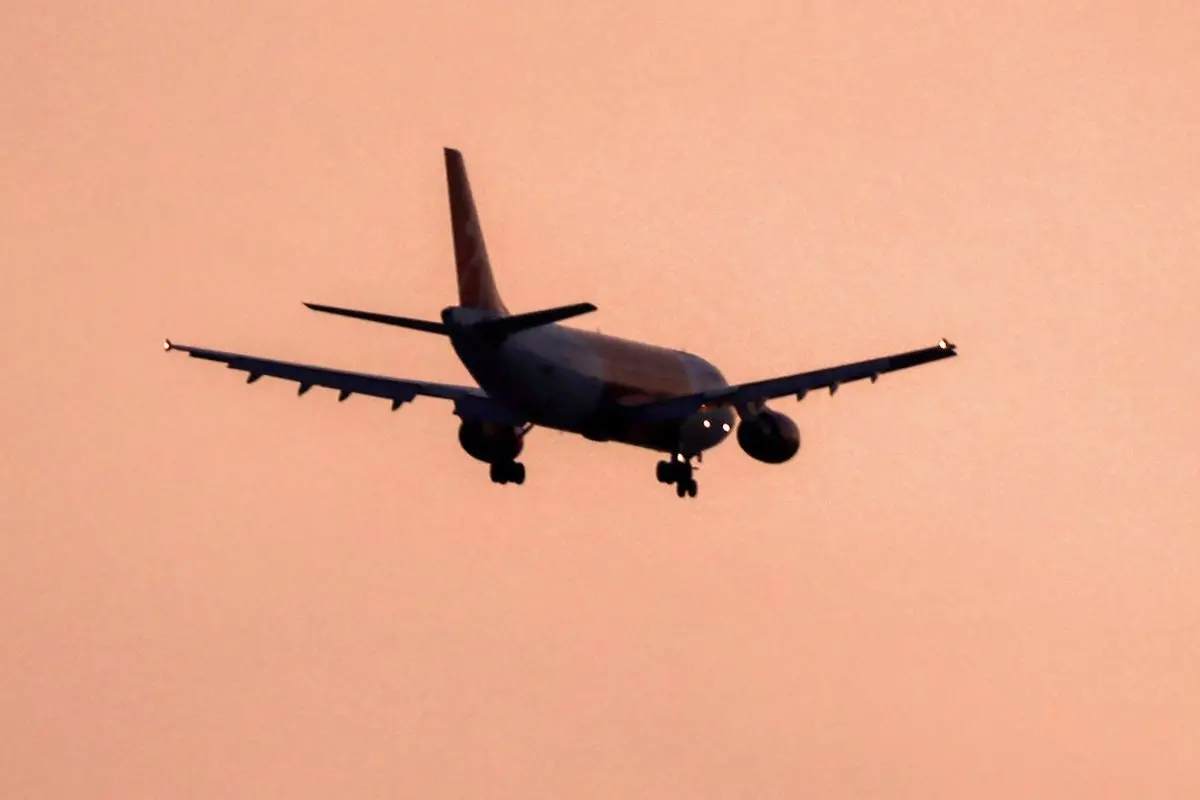
US: Boeing will not face criminal conspiracy charges over the two deadly crashes involving its 737 Max jets, which killed 346 people in 2018 and 2019. A US federal judge in Texas has approved a deal between the company and the US Department of Justice (DOJ) that allows Boeing to avoid a criminal trial.
As part of the agreement, Boeing will pay or invest an additional $1.1 billion in fines, compensation for victims’ families, and improvements to its internal safety and quality systems.
The Justice Department had accused Boeing of deceiving aviation regulators about a flight-control software system known as MCAS (Manoeuvring Characteristics Augmentation System), which was later linked to the crashes of Lion Air Flight 610 in Indonesia (October 2018) and Ethiopian Airlines Flight 302 in Ethiopia (March 2019).
The ruling follows an emotional court hearing in September, where many relatives of crash victims urged the judge to reject the deal and send Boeing to trial. Some families had even requested the appointment of a special prosecutor to handle the case independently.
However, US District Judge Reed O’Connor, who presided over the case in Fort Worth, Texas, ultimately accepted the government’s proposal to drop the criminal charge.
In a statement after the ruling, Boeing said it remained committed to “honouring the agreement with the Justice Department” and to continuing its efforts to “strengthen safety, quality, and compliance” across the company.
According to the DOJ, families of 110 victims either supported or did not oppose the decision to resolve the case without a trial. But nearly 100 other families remained strongly against the deal.
Among them was Catherine Berthet from France, whose daughter Camille Geoffroy died in the Ethiopian crash. “Do not allow Boeing to buy its freedom,” she pleaded during the hearing.
The 737 Max aircraft was first introduced in 2017 and was quickly adopted by airlines worldwide. However, both crashes occurred within just five months of each other, raising major safety concerns.
Investigations revealed that the MCAS software, which was designed to automatically push the plane’s nose down if it sensed the aircraft was climbing too steeply, malfunctioned due to faulty sensor readings. In both cases, pilots struggled to regain control before the aircraft crashed.
Authorities later found that Boeing failed to inform the Federal Aviation Administration (FAA) about key changes made to the MCAS system before the aircraft was certified for flight.
Following the second crash in Ethiopia, all 737 Max planes were grounded globally for 20 months, one of the longest aircraft groundings in aviation history.
The Justice Department said that the new agreement is a practical step forward, arguing that a trial might have led to a weaker outcome or prolonged uncertainty for victims’ families and the industry.
Boeing’s latest commitments mark another chapter in a long and painful saga for one of the world’s biggest aircraft manufacturers, as it continues efforts to rebuild public trust and strengthen its safety culture.