Is Air India’s global turbulence opening doors for foreign operators in India
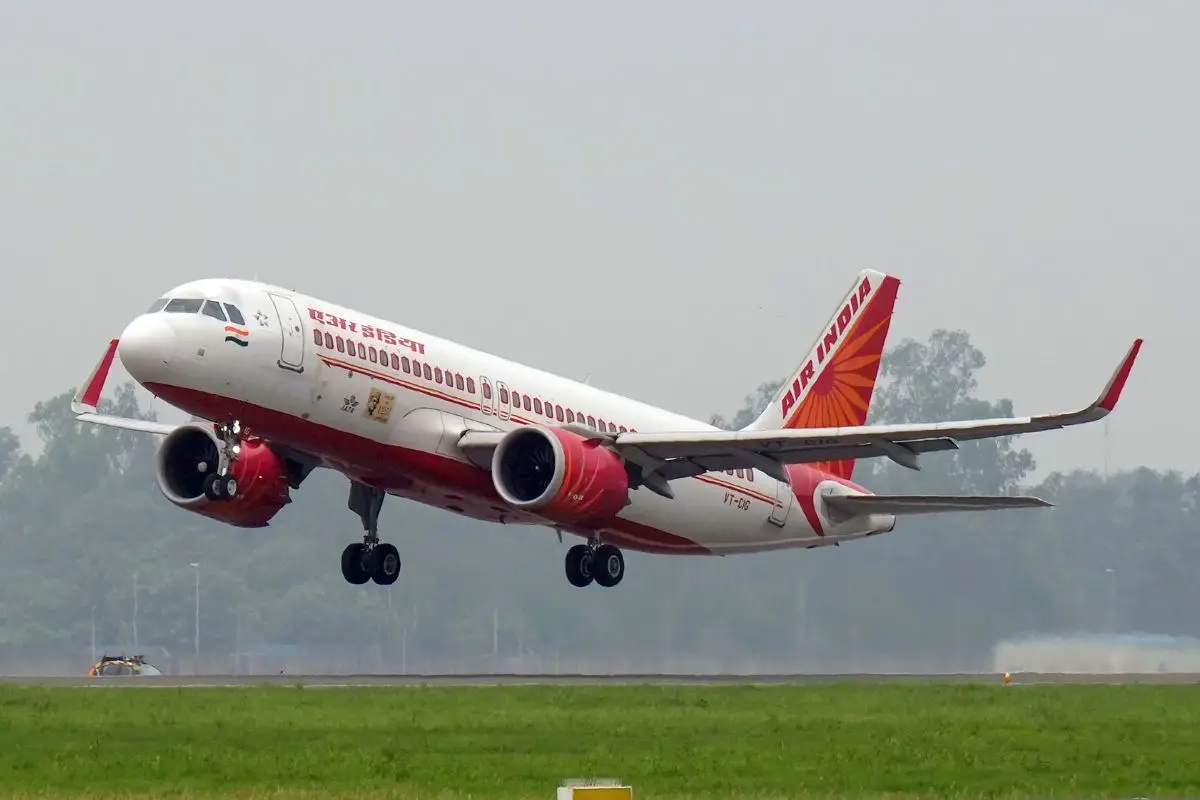
India’s booming international aviation market is witnessing a major shift. As Air India struggles with operational disruptions, flight cuts and rising costs, foreign airlines are rapidly increasing their presence across key international routes connecting India to Europe, North America and Asia.
What was once seen as Air India’s opportunity to reclaim global market share under the Tata Group’s ambitious transformation strategy is now turning into a period where international competitors are quietly strengthening their hold over Indian passengers.
From European carriers such as SWISS and KLM Royal Dutch Airlines to Asian operators like Cathay Pacific and Saudi Arabia’s low-cost airline flyadeal, airlines are moving quickly to capture growing demand from Indian travellers at a time when Air India is being forced to reduce capacity.
Air India’s challenges
Air India’s international operations have come under severe pressure over the past several months due to a combination of geopolitical tensions, airspace restrictions and rising operational costs. The ongoing instability in West Asia, particularly linked to the Iran conflict, has forced airlines to reroute flights and burn significantly more fuel. At the same time, Pakistan’s continued ban on Indian carriers using its airspace since April 2025 has added major operational complications for Indian airlines flying westward toward Europe and North America.
These longer routes mean higher fuel costs, longer flying hours, increased crew expenses, reduced aircraft utilization and lower profitability. For Air India, the impact has been particularly severe.
According to aviation analytics firm OAG, Air India operated 6,404 international flights between March and May this year, a decline of 17.5 percent compared to the same period last year. The airline has also announced additional reductions on several European and North American routes during the June-August period.
Its India-US operations have been among the worst affected, with route-level data reportedly showing a dramatic decline in scheduled flights.
Foreign airlines fill the gap
While Air India cuts flights, foreign carriers are doing the exact opposite.
According to OAG data, foreign airlines’ share of India-origin international flights increased sharply to 58.4 percent during the March-May period, compared to 51.2 percent a year earlier. Several global airlines are now expanding capacity into India, sensing both strong demand and a market opportunity.
One of the biggest developments comes from SWISS, which recently announced a brand-new direct route to Bengaluru, its first-ever service to South India.
The airline will operate five weekly flights from Zurich to Bengaluru beginning in the 2026-27 winter schedule. Bengaluru becomes SWISS’s third Indian destination after Delhi and Mumbai. Interestingly, the new route comes at a time when Air India has been reducing several international services, particularly to North America and Europe.
SWISS CEO Jens Fehlinger described Bengaluru as “India’s Silicon Valley,” highlighting growing demand from business travellers, technology professionals and leisure passengers. The move reflects how foreign airlines are increasingly targeting India’s fast-growing premium and corporate travel market.
Flyadeal enters India as gulf competition intensifies
Another major development is Saudi Arabian low-cost airline flyadeal launching its first-ever India operations. The airline will begin daily Riyadh-Hyderabad flights from July 1, targeting India’s massive expatriate workforce and religious travel demand between India and Saudi Arabia.
Hyderabad becomes the airline’s debut Indian destination, with additional routes expected soon. The entry of flyadeal is particularly significant because Gulf airlines have traditionally dominated India’s international travel market, especially for passengers travelling onward to Europe, North America and Africa.
Now, with Air India facing operational difficulties and many Indian travellers avoiding unstable Middle Eastern transit hubs, airlines are rapidly adjusting their strategies to attract Indian passengers directly.
Foreign Airlines advantage
Industry experts believe foreign carriers currently enjoy several advantages over Indian airlines. Firstly, many foreign airlines are unaffected by Pakistan’s airspace ban because they can still use Pakistani airspace, allowing shorter and more fuel-efficient routes. Secondly, several international carriers continue benefiting from strong service perception among Indian travellers.
When ticket prices are similar, many passengers often prefer foreign airlines because of better onboard service, more reliable schedule, shorter travel times, modern cabins and stronger global connectivity.
This is especially true in the India-Europe and India-US markets where competition is intense. Air India’s recent suspension of routes such as Delhi-Washington and San Francisco services from Mumbai and Bengaluru has further strengthened foreign airlines operating trans-Pacific and transatlantic routes.
Will this benefit Indian travellers?
In many ways, yes. For Indian travellers, increased competition will give more flight choices, better connectivity, competitive ticket pricing, improved service quality and more premium grade cabin options. The arrival of new airlines and routes also improves direct connectivity from Indian cities to global destinations, reducing dependence on traditional transit hubs.
For example, SWISS’s Bengaluru route directly connects South India with Europe, Flyadeal’s Hyderabad flights offer affordable travel to Saudi Arabia and Cathay Pacific’s expanded Hong Kong services create alternative transit options to North America.
Bigger concern for India
While passengers may temporarily benefit, the bigger picture raises important questions for India’s aviation ambitions. Under the Tata Group, Air India has invested billions of dollars into fleet expansion, aircraft modernization and premium cabin upgrades to transform itself into a serious global competitor. However, current geopolitical disruptions and operational challenges are slowing that momentum at a critical time.
If foreign airlines continue capturing larger market share, India risks returning to a situation where international traffic growth benefits overseas carriers more than Indian airlines themselves. This might impact Indian aviation job market, airport economics, MRO growth, leasing and aviation finance industry and tourism revenue retention too.
Despite the current turbulence, India continues to remain one of the world’s fastest-growing aviation markets. Rising incomes, increasing international tourism, expanding middle-class travel and strong business connectivity are driving enormous long-term demand.
That is precisely why global airlines are racing to expand their India presence.
For now, foreign carriers appear to be capitalising on a temporary window of opportunity created by Air India’s operational constraints. But the coming years will determine whether Air India can successfully regain lost ground and establish itself as the strong global airline India has long aspired to build.