From toothpaste to namkeens, essentials brought under 5% GST — know how it benefits households
The Government of India on Wednesday unveiled what it calls a “Historic Diwali Gift” through the introduction of Next-Gen GST reforms. The move, aimed at ease of living and building an Aatmanirbhar Bharat, promises relief for households, farmers, enterprises and businesses.
Essentials to become cheaper
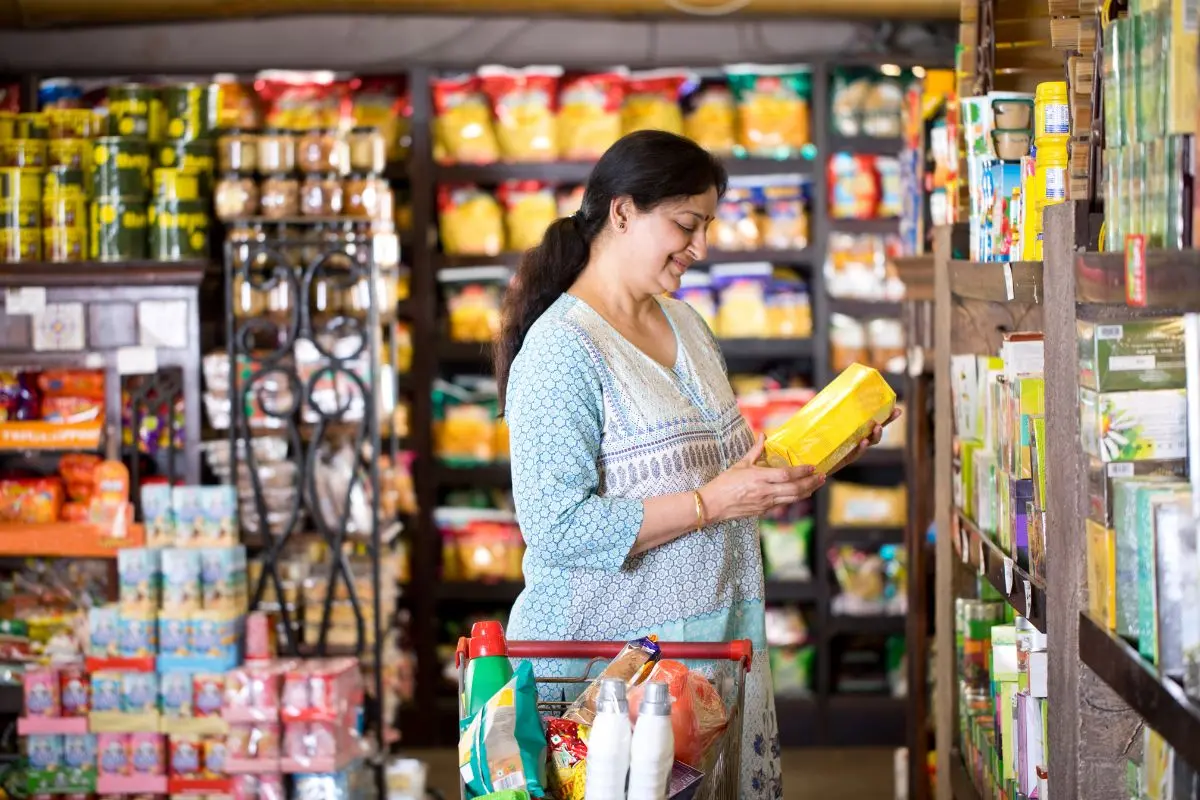
Daily-use items such as hair oil, shampoo, toothpaste, toilet soap bars, toothbrushes and shaving cream will now attract only 5% GST, down from 18%. Similarly, butter, ghee, cheese and dairy spreads move from 12% to 5%. Pre-packaged namkeens, bhujia and mixtures also see GST reduced from 12% to 5%.
Benefits for farmers and agriculture
Farmers and agricultural enterprises stand to gain significantly. GST on tractor tyres and parts has been reduced from 18% to 12%. Agricultural, horticultural and forestry machines for soil preparation, cultivation, harvesting and threshing now fall to 5% from 12%. Drip irrigation systems, sprinklers, specified bio-pesticides and micro-nutrients also see GST slashed to 5%.
Relief in healthcare sector
The healthcare sector has been prioritised with substantial reductions. GST on individual health and life insurance has been brought down from 18% to nil. Thermometers move from 18% to 5%, while medical grade oxygen now attracts 5% instead of 12%. Diagnostic kits, reagents, glucometers, test strips and corrective spectacles all drop to 5%.
#WATCH | जिन वस्तुओं पर जीएसटी 5% से घटाकर शून्य किया गया है, उनमें शामिल हैं– अल्ट्रा हाई टेम्परेचर मिल्क, छेना और पनीर। सभी भारतीय ब्रेड पर अब जीएसटी नहीं लगेगा चाहे रोटी हो या पराठा, सभी पर जीरो टैक्स लागू होगा: वित्त मंत्री @nsitharaman @FinMinIndia @GST_Council @MIB_India… pic.twitter.com/BYiLOWgXnZ
— डीडी न्यूज़ (@DDNewsHindi) September 3, 2025
Automobiles made affordable
The reforms make vehicles more accessible. Petrol, petrol hybrid, LPG and CNG cars (not exceeding 1200 cc and 4000 mm) see GST reduced from 28% to 18%. Diesel and diesel hybrid cars (not exceeding 1500 cc and 4000 mm) follow the same pattern. Motorcycles up to 350 cc, three-wheeled vehicles and goods transport vehicles also move from 28% to 18%.
Education at lower cost
Education materials will become cheaper. Maps, charts and globes, pencils, sharpeners, crayons, pastels, exercise books and notebooks will now attract nil GST. Even erasers have been moved from 5% to nil, marking relief for students and parents.
Electronic appliances with reduced rates
GST on air conditioners, large televisions (above 32 inches, including LED and LCD), monitors, projectors and dishwashing machines has been cut from 28% to 18%.
Process reforms for taxpayers
Alongside rate reductions, process reforms have been announced. Automatic registration within three working days will be given to applicants identified by system-based data analysis, provided they do not exceed Input Tax Credit of Rs 2.5 lakh per month.
Refund reforms include provisional sanctioning by officers through system-based risk evaluation, covering zero-rated supplies and supplies with inverted duty structures.
Boost to economy and MSMEs
According to the government, Next-Gen GST reforms are expected to lower taxes substantially, benefit MSMEs and small entrepreneurs, make everyday items more affordable, and provide a fresh boost to the economy.
#WATCH | जिन वस्तुओं पर जीएसटी 5% से घटाकर शून्य किया गया है, उनमें शामिल हैं– अल्ट्रा हाई टेम्परेचर मिल्क, छेना और पनीर। सभी भारतीय ब्रेड पर अब जीएसटी नहीं लगेगा चाहे रोटी हो या पराठा, सभी पर जीरो टैक्स लागू होगा: वित्त मंत्री @nsitharaman @FinMinIndia @GST_Council @MIB_India… pic.twitter.com/BYiLOWgXnZ
— डीडी न्यूज़ (@DDNewsHindi) September 3, 2025