Exclusive! 'Kerala presents ideal environment for seaplane operations'
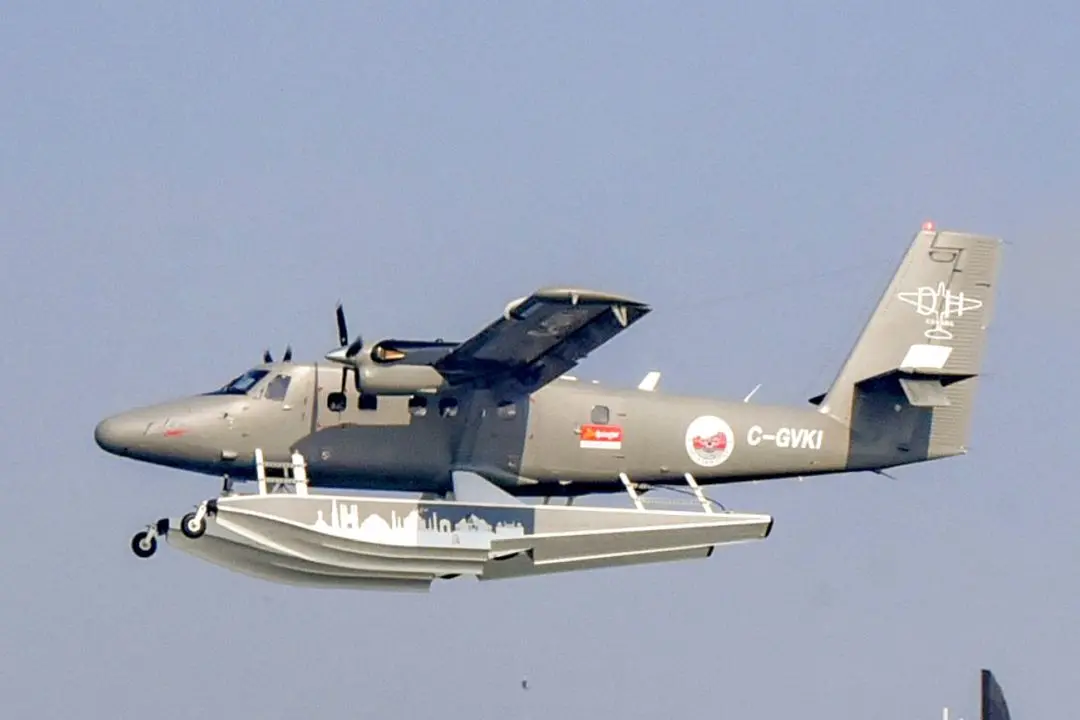
First Andhra Pradesh, then Kerala and now in Lakshadweep, seaplane operations have received a new lease of life in India.
On November 10, the De Havilland seaplane flew from Prakasam Barrage in Vijayawada to Srisailam in Andhra Pradesh, cutting an eight-hour long journey to just about 45 minutes. A day later, the Twin Otter took flight again, from Kochi Marina to Matupetty Dam, soaring over one of Kerala's highest and most scenic dams at 5600 feet.
On its third demo flight, on November 12, the seaplane flew from Agatti in Lakshadweep to Minicoy Island -- a journey that otherwise takes an entire day shortened to just an hour! The Twin Otter's unique capability to operate even in challenging weather conditions signals a new era of seamless connectivity and accessibility for these islands.
Yogesh Garg, who is regional vice president of sales-Asia Pacific & Middle-East at De Havilland aircraft of Canada Limited, has been busy hopping from one destination to another on his seaplane. He has been soaking in the breathtaking views of India's most unchartered tourist destinations. He calls it "the future of travel -- quick, convenient, and stunningly scenic!"
Taking time out of his hectic schedule, Garg spoke exclusively to Mathrubhumi about the future of seaplane operations in India, plans of De Havilland to establish a supplier base in the country eyeing the huge potential and demand, and much more...
Just last month, the Ministry of Civil Aviation launched new guidelines to integrate seaplane operations into India's aviation landscape to boost tourism and connect remote areas. What are your thoughts on the same?
The new guidelines mark a tremendous milestone for Indian aviation, demonstrating the government's commitment to expanding connectivity in underserved regions.
Seaplanes can be a game-changer for remote areas by enhancing access and boosting tourism. At De Havilland Canada, we see this as a promising step toward establishing a comprehensive seaplane network in India.
The government has actively sought inputs from all stakeholders, and the resulting guidelines are positioned to serve as a catalyst for growth. We are excited to bring our expertise in amphibious aircraft to support this initiative.
Can you tell our readers about the demonstration flights planned by De Havilland on the proposed routes?
Absolutely. De Havilland has scheduled a series of demonstration flights from November 9-19 in key locations like Vijayawada, Mysore, Cochin Agatti, Shillong, Guwahati, and the Andaman and Nicobar Islands.
Each location presents unique geographical and operational characteristics, and our Twin Otter Amphibious Aircraft will showcase its versatility in handling diverse environments, from lakes and dams to coastal areas.
These demonstrations will offer first-hand insights into the aircraft's reliability and adaptability to India's varied landscape and connectivity needs.
What are your views on the future of seaplane operations in India, considering no seaplane is currently operational in the country?
India holds remarkable potential for seaplane operations, given its extensive coastline, numerous rivers, and untapped tourism destinations. While it is true that there is currently limited seaplane activity, the interest from operators and the government's proactive support makes the future look promising.
Seaplanes like the Twin Otter are ideally suited to connect India's unique landscapes, delivering benefits to both local communities and the tourism industry.
Anticipating robust demand for seaplanes in India, is De Havilland considering setting up a supplier base in the country? Could you share a few details of the same?
India is indeed a key market for us, and we are committed to building a strong presence here. De Havilland is exploring partnerships with Indian suppliers and investing in infrastructure to support local operations.
We are identifying potential vendors who meet our high quality and production standards, with the goal of establishing a long-term supply chain that can support both seaplane and landplane operations in India.
Previous attempts to launch seaplane operations in India have never taken off. Will this change in government policy, along with enthusiasm shown by various states and airline operators, succeed this time?
The renewed government focus, coupled with enthusiastic support from state governments and operators, is highly encouraging. The policy landscape is now more structured, with strong backing from regulatory bodies.
Additionally, De Havilland's experience in successful seaplane markets like the Maldives and Canada can help guide sustainable and scalable operations in India.
Can you share your views on the revival of seaplane operations in Kerala?
Kerala presents an ideal environment for seaplane operations, given its network of backwaters, dams, and high tourist footfall. While we are still exploring specific routes, locations like Kochi, Munnar, and surrounding waterways are of particular interest because of their seamless integration potential with existing tourism circuits.
We are closely collaborating with the state to identify optimal routes that would benefit local communities and attract visitors.
What, according to you, are the probable challenges that seaplane operations might face going ahead? What would be your action plan to combat such challenges?
Some anticipated challenges include infrastructure readiness, regulatory coordination, and public awareness. For example, infrastructure like water aerodromes is relatively new in India.
Additionally, aligning regulations across states can be complex. To address these challenges, we are working closely with the Ministry of Civil Aviation, DGCA, and local authorities to ensure infrastructure and regulatory frameworks are standardized.
Educating the public on the safety and efficiency of seaplanes is also a priority.
Will the seaplane operations be economically viable for the common man?
Our goal is to make seaplane travel accessible and affordable. The Twin Otter's efficiency and adaptability make it a cost-effective choice for operators. Although initial setup costs can be significant, strong passenger demand coupled with government subsidies and incentives should help make fares reasonable.
Seaplanes could fundamentally improve travel for people in regions like the Andaman and Nicobar Islands or Lakshadweep, where trips that currently take over a day could be completed in under an hour by seaplane.
They will also support medical evacuations and emergency services, reducing travel times and enhancing connectivity without disrupting natural environments.