Boeing 737 Max moves beyond delayed status, edges closer to flight
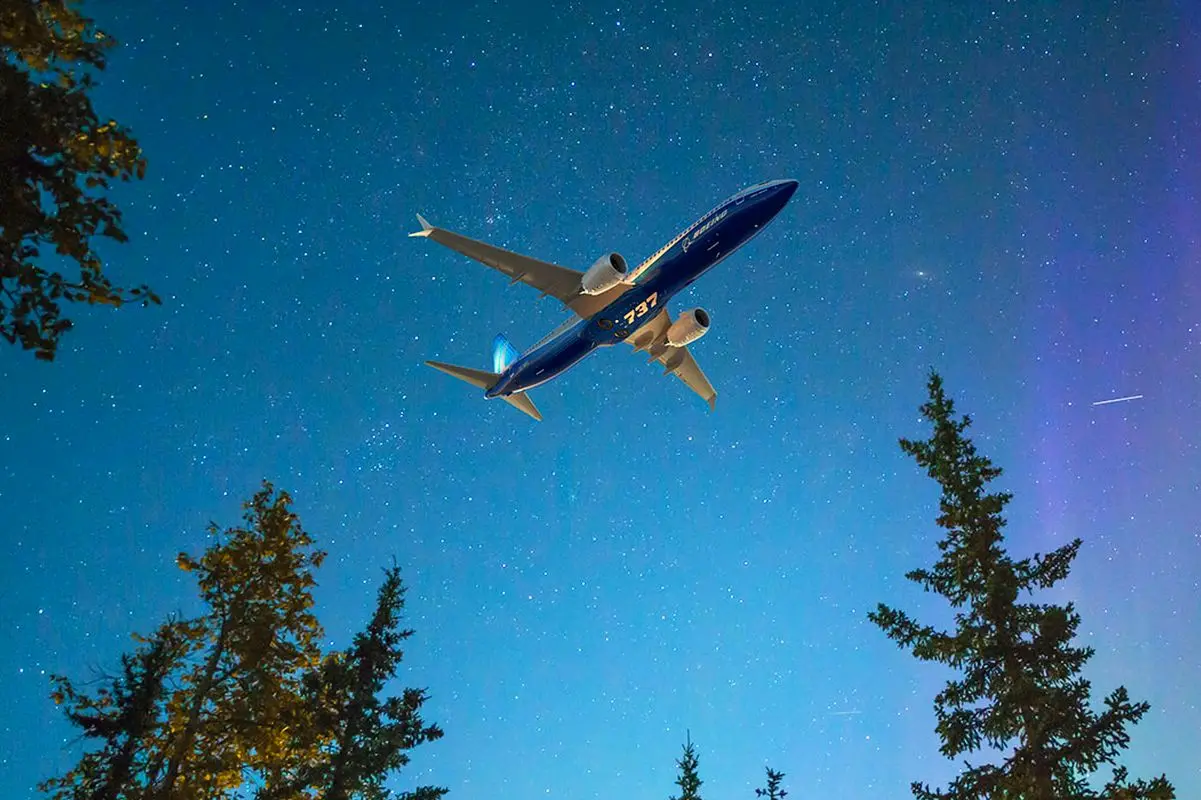
For many passengers, the name Boeing 737 MAX still brings back memories of the tragic crashes in 2018 and 2019 that led to a global grounding of the aircraft. Those incidents not only shook public confidence but also forced a complete overhaul of how aircraft are designed, tested, and approved. Since then, Boeing has been under intense scrutiny, working to fix technical issues and rebuild trust with both regulators and the flying public.
The smaller MAX 7 and larger MAX 10 variants have faced multiple delays over the years. One of the biggest hurdles has been a technical issue related to the engine anti-ice system, which took longer than expected to resolve. Because of past incidents, regulators have been extremely cautious this time, ensuring that every system is tested thoroughly before giving approval.
The US Federal Aviation Administration (FAA) has taken a much stricter approach compared to the past. This means more testing, more checks, and no shortcuts, something that ultimately benefits passenger safety.
Also Read: Air India’s B787 Dreamliner makeover signals a new era for Indian flyers
Now, there is finally some positive news. The FAA has indicated that, so far, it has not found any major issues that would stop Boeing from getting certification for both aircraft by the end of 2026. The planes are still undergoing flight testing, but the overall progress suggests that the programme is moving in the right direction.
If everything goes as planned, passengers could start flying on these aircraft from 2027.
What this means for travellers
The MAX 7 and MAX 10 are designed to offer airlines more flexibility. The MAX 7 is smaller and suited for shorter routes, while the MAX 10 is larger and can carry more passengers, making it ideal for busy routes. For travelers, this could mean more flight options, better connectivity and more competitive ticket prices as airline expand capacity.
Airlines around the world have already placed over 1,700 orders for these aircraft, showing strong confidence in their future.
One of the biggest changes after the earlier crashes is how aircraft are now certified. Regulators like the FAA are taking extra time to review every detail. Even though this has caused delays, it ensures that the aircraft meet the highest safety standards before entering service.
Restoring passenger confidence
For Boeing, the challenge is not just technical, it is also about trust. The company needs to reassure passengers that the MAX family is safe to fly. Over the past few years, improvements in design, pilot training, and monitoring systems have all been introduced to prevent earlier issues from happening again.
Also Read: Is India's procurement policy killing its aerospace future?
The successful certification of the MAX 7 and MAX 10 will be a major step in rebuilding that confidence.
The next few months will be crucial. The aircraft must complete final flight tests and receive full approval from regulators. If all goes well, airlines will begin receiving these planes in 2027, gradually introducing them into regular service.
The journey of the Boeing 737 MAX has been long and challenging. From crisis and grounding to redesign and re-evaluation, it has reshaped the aviation industry’s approach to safety.
Now, with certification finally within reach, the focus shifts to the future where safety, transparency, and reliability will define how passengers experience these aircraft.