C-DAC coils for charging e-vehicles on e-highways; Proposal submitted
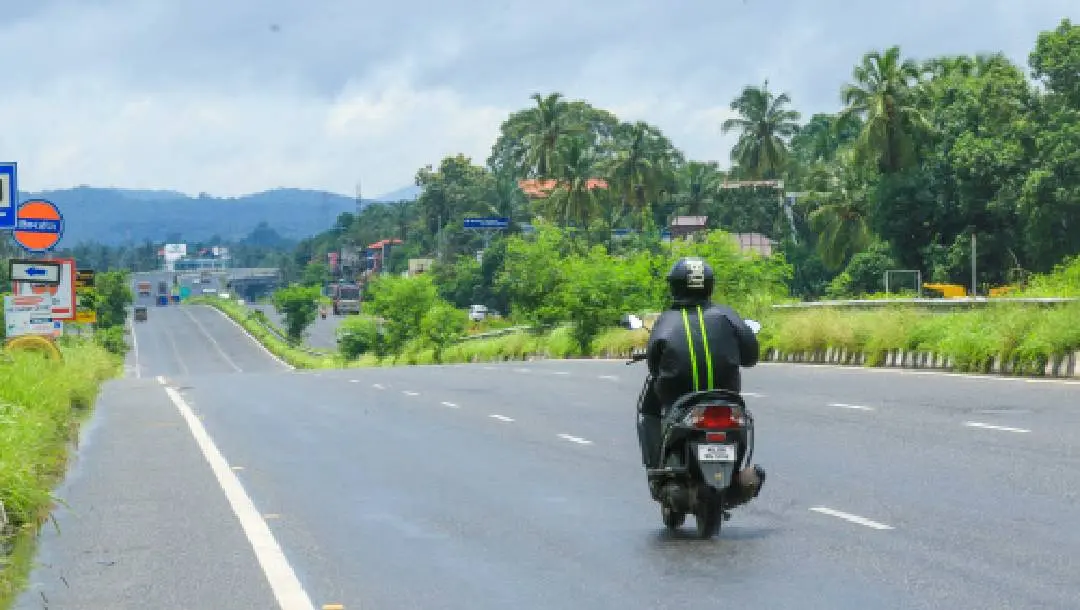
Thiruvananthapuram: The coil system developed by the Centre for Development of Advanced Computing (C-DAC) for charging electric vehicles is likely to be adopted in the construction of National Highways in the country. The Ministry of Road Transport and Highways (MoRTH) has plans to use the system in the proposed electric lanes alongside national highways.
Earlier, the Centre had announced that 6000 km of the national highways in the country will have electric lanes. The Ministry of Road Transport and Highways is exploring the possibilities of using the coils developed by C-DAC to power vehicles.
Union Minister Nitin Gadkari has invited senior officials of Thiruvananthapuram C-DAC for a discussion at the end of this month.
Earlier, C-DAC received permission to produce coils on a commercial basis. Following this, the Union Ministry expressed interest in the system, which comes with transmitting and receiving coils. The coils will be initially used on a pilot basis and will be expanded further if found successful.
Although the system will not be used on newly constructed roads in Kerala, the National Highway Authority of India (NHAI) officials have indicated that it could be introduced in the future.
How it works?
A dedicated space will be laid adjacent to the main road for the electric highway lanes. The transmitting coils will be attached to the road surface. The receiving coil mounted under the vehicle and the transmitting coil on the road will work together to charge the vehicle's battery. This is called dynamic charging. The fees for charging will be levied based on the vehicle's ID. The electricity will be delivered to the transmitting coil through the underground system.