A sweet protest: Private bus to offer free rides for men over Kerala govt's Priyadarshini scheme
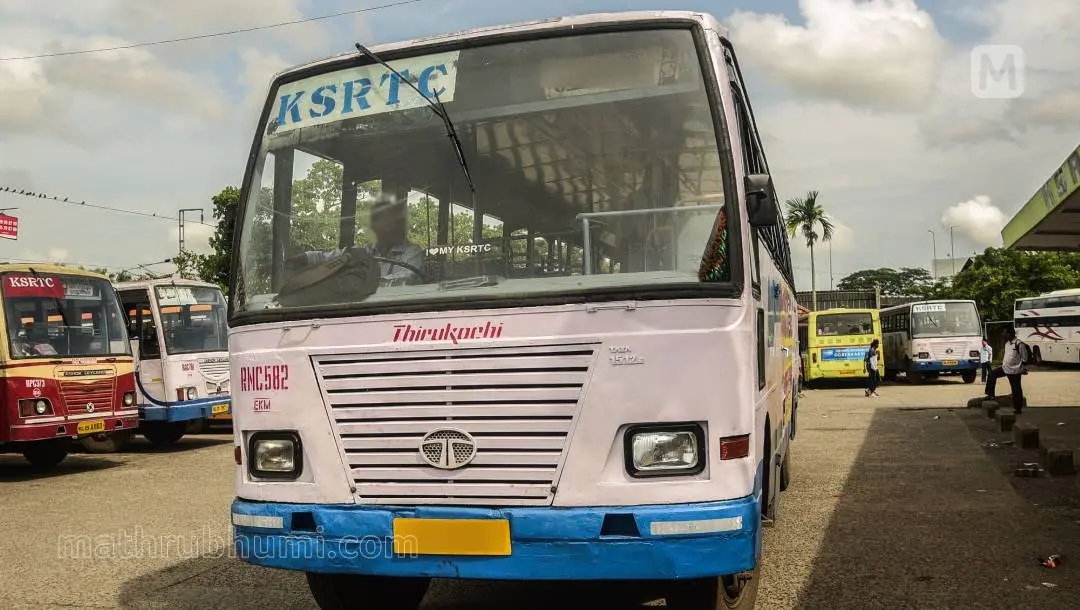
Kerala is on the cusp of a major transport shift as the UDF-led government's free travel scheme for women and transgender passengers ('Priyadarshini' scheme) on state-run KSRTC ordinary buses begins tomorrow, Monday, June 15.
While the move aims to boost female mobility, it has sparked a wave of fresh demands and unique protests from political leaders, private bus owners and activists across the state. This is apart from the financial concerns experts have about the implications the scheme could have for KSRTC and the state government.
Private bus sector threatens statewide strike
The private bus industry says it is fighting for survival.
Operators claim that since the pandemic, women have become their primary customer base as many men moved to private vehicles. T. Gopinathan, general secretary of the All Kerala Bus Operators Organisation, warned that if these women switch to KSRTC, private operators will not be able to function for even a single day.
The financial situation is already critical. Diesel prices have climbed to ₹104 per litre, yet student fares remain at just ₹1. Operators say it takes 104 students to pay for just one litre of fuel, leaving them unable to cover rising costs for insurance, tyres and engine oil. They have now issued an ultimatum: if the state budget on June 19 does not include fuel subsidies or a relief package, they will launch a strike.
A 'Little Flower' of defiance
In a unique act of protest, one veteran bus owner in Thrissur is taking matters into his own hands.
B.O. Davis, a resident of Vattaparambu who has operated the "Little Flower" bus on the Manjaly-Athani-Aluva route for more than 25 years, has announced a "reverse" free-travel day. On Monday, across seven scheduled trips from 6.30am to 8pm, all men will be allowed to ride his bus free of charge.
Davis is also adding a personal touch to his protest against the KSRTC scheme. He plans to distribute sweets to any woman who chooses to pay for a ticket on his bus instead of taking the free state-run service. His logic is rooted in daily numbers: of the roughly 650 passengers he carries each day, between 350 and 400 are women. Without them, he fears his bus will be forced to run empty.
The search for a middle path
Meanwhile, LDF leader and Kerala Congress (M) chairman Jose K. Mani has warned that providing free travel only to girls could lead to discrimination in the classroom. He noted that while boys and girls receive the same midday meals, uniforms and textbooks, the new transport policy creates a divide based on gender.
Mani is now pushing for a "universal student transport" policy for the 33 lakh students in government and aided schools. He argues that free travel up to Class 12 should be seen as a vital investment in the state's future rather than a financial burden. He suggested that if the state cannot immediately include private buses in the scheme, KSRTC should lead the way by offering free rides to schoolboys.
Rahul Easwar, a YouTuber and activist leading the Mission Men's Commission, is advocating for what he calls a "moderate path". While he clarifies that his group is not against supporting female mobility, he believes the state must also consider the needs of vulnerable men.
Easwar is specifically requesting that the government extend free travel benefits to elderly men aged over 60 or 70. He has distanced his movement from those taking "hard decisions" such as stopping bus services, calling such tactics counterproductive and lacking constructive value. He maintains that it is possible to advocate for men's rights without being confrontational or anti-woman, stating that even policy disagreements should not cause discomfort to women.