Climate impact on Wayanad: Decreased crop yields and labour migration undermine farming community
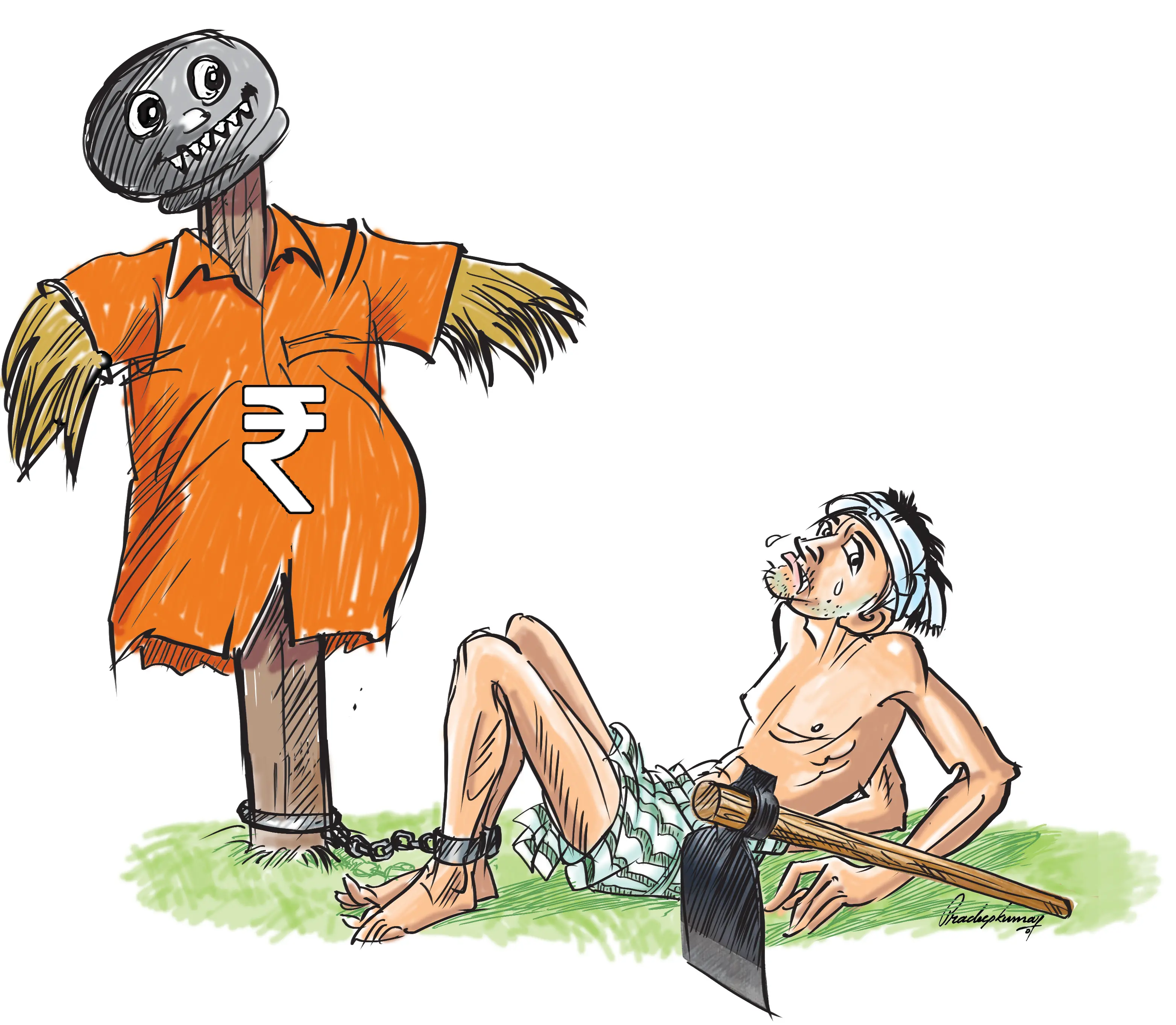
Vellamunda: Low production of cash crops, climatic changes and labour shortage are posing a greater challenge to the agricultural sector in Wayanad. Although the crops have a decent price in the market, the farmers are not getting any of these making them disappointed.
Farmers who had come down from the plantations to the fields to engage in the cultivation of bananas for relief were also hit hard by the natural disaster this time. Lakhs of plantains were blown down by the strong winds at the beginning of the monsoon just before the harvest. The monsoon rains hit the banana farmers at a time when the price was up to Rs 40 per kilo. Other agricultural sectors too are facing crises.
At a time when the 'Nanja paddy' cultivation in the district is about to begin, the fields are lying fallow. The rising cost of production is also retarding farmers from farming. With the rising wages of workers, farmers are deciding to abandon farming.
With the decrease in employment in the agricultural sector, the number of people seeking employment in other sectors is also increasing. Most agricultural workers are making a living by working in the government and employment guarantee schemes. After meeting the expenses from the agricultural sector, they are unable to set aside a portion for themselves and their families.
The area under Robusta coffee plantations in the district was 67,486 hectares in 2015. The productivity was up to 57,850 metric tonnes. In 2022, the area was 43,646 hectares. The productivity also decreased to 42,360 metric tonnes.
Statistics show that the average productivity of plantations has decreased from 830 kg per hectare to 710 kg per hectare in ten years.
The continuous changes in the climate in the district are also a challenge for pepper cultivation. The area under pepper cultivation has reduced from 24,500 hectares ten years ago to 16,600 hectares now. Production has also dropped as the disease has spread to the support price.
Crops and their issues
- Pepper
Instant rotting, destruction of Indian Coral tree trunks that provide growth support, drought, lack of scientific treatments, changes in soil structure, fungal attacks, lack of new varieties, and price volatility.
- Areca palm
The spread of Koleroga (Mahali) disease, lack of care, and a downturn in the market.
- Vegetable
Lack of irrigation facilities, lack of good seeds, pest infestations, and climate change.
- Ginger
Pests and diseases, persistently low prices, lack of new farmland, and high production costs.
- Coconut
The bud rot disease, lack of care practices, unseasonal weather, soil changes, lack of disease-resistant coconut trees, rising prices of chemical fertilizers, and increased production costs.