Are migrant workers 'siphoners' or the backbone? Kerala CM rekindles reverse remittance debate
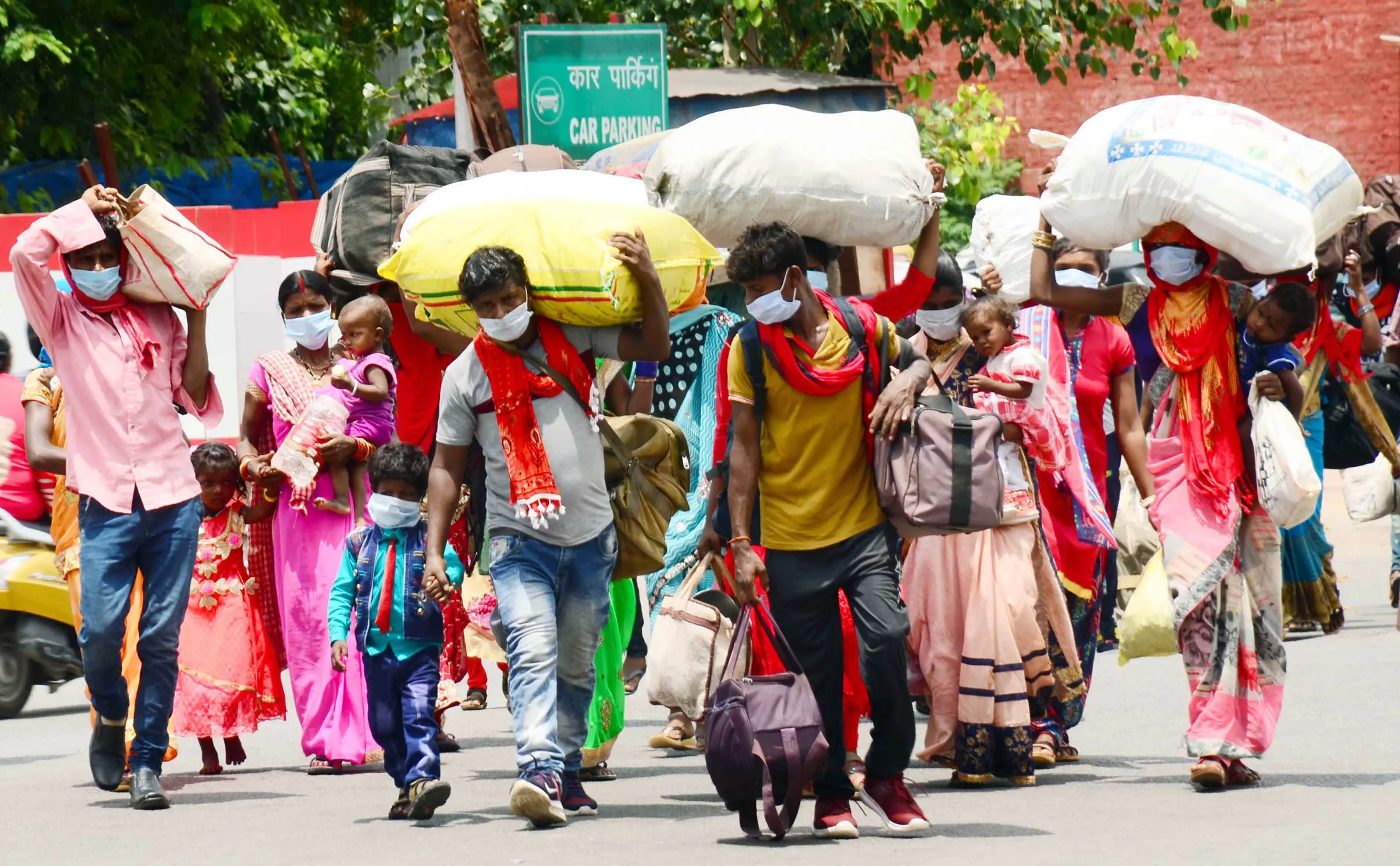
The Kerala government has announced a comprehensive study into what it describes as "reverse remittance" — the transfer of wages earned by interstate migrant workers back to their home states — saying the trend could have implications for the state's economy.
Chief Minister V D Satheesan made the announcement during the recently concluded Assembly session while outlining changes in Kerala's economic landscape. He said the government would examine the scale of the phenomenon and assess its impact on the state's financial health.
According to the Chief Minister, Kerala currently employs between 40 lakh and 50 lakh interstate migrant workers. While the state has long benefited from inward remittances sent by Malayalis working abroad, he said a growing share of wages earned within Kerala is now flowing out of the state, reducing the circulation of money in the local economy.
Digital payments have accelerated wage transfers
Satheesan said advances in digital payment platforms have significantly increased the speed at which workers send money home.
Earlier, workers typically transferred their earnings once a week, often on Mondays. Now, he said, wages received on Saturdays are frequently remitted immediately through digital payment applications such as Google Pay.
The Chief Minister said this has contributed to what he described as a liquidity challenge, with less money remaining in circulation within Kerala after wages are paid.
Construction sector cited as an example
The construction industry was cited as one of the sectors where the change is most visible.
Satheesan said that around 15 years ago, a ₹100-crore construction project in cities such as Kochi or Thiruvananthapuram would have retained around 40% to 50% of its value within the local economy through wages paid to local workers.
Today, he said, the sector relies overwhelmingly on interstate migrant labourers, with a substantial portion of those wages eventually being transferred outside Kerala.
The Chief Minister also said migrant workers generally maintain low living costs in the state, spending mainly on essential items such as wheat flour, onions and pulses. According to him, the principal revenue returning to the government from this group comes through taxes on alcohol consumption.
Government says labour remains indispensable
Despite raising concerns over reverse remittance, Satheesan acknowledged that interstate migrant workers remain indispensable to Kerala's economy.
He said the state could neither ask them to leave nor expect local residents to fill many of the manual jobs they currently undertake.
"We used to raise our collars in pride regarding remittances," the Chief Minister said in the Assembly. "But at the same time, there is a dangerous 'reverse remittance' that can undermine our economy's foundation."
He said the proposed study would help the government understand the extent of the issue and its economic consequences.
Satheesan has raised the issue before
The Chief Minister has spoken about reverse remittance on several earlier occasions, including during his tenure as Leader of the Opposition. He has also raised the issue before national media.
His remarks previously attracted criticism after he described the movement of wages out of Kerala as siphoning.
CPM Rajya Sabha MP John Brittas strongly objected to that characterisation, arguing that interstate migrant workers earn their wages through hard labour and send part of their income home to support their families, just as millions of Malayalis working outside Kerala and overseas do.
Brittas said Kerala receives more than ₹2 lakh crore annually in foreign remittances from Malayalis working abroad and questioned why similar transfers by workers from other states should be viewed differently.
He argued that describing such transfers as "siphoning" unfairly casts doubt on the principle of remittances itself.
Experts highlight workers' economic contribution
A section of economists and labour researchers describe interstate migrant workers as a key driver of Kerala's economy, particularly in construction, plywood manufacturing and agriculture.
They say these workers fill labour shortages created by an ageing population and a workforce that is increasingly reluctant to take up manual jobs. Without them, experts say, projects are delayed, industrial output declines and agricultural produce can go to waste.
Experts also point to their spending within Kerala. According to estimates cited by researchers, interstate migrant workers spend around ₹20,000 crore annually on food, transport, consumer goods and other purchases, supporting local businesses and contributing to GST collections.
Several economists argue that describing these wage transfers as a drain reflects a misunderstanding of how labour markets function. They contend that wages are paid in return for productive work that creates assets and economic value within Kerala, meaning the state retains the benefit of the labour even if workers later send part of their earnings to their families.
Some also distinguish interstate remittances from outward flows of foreign exchange, noting that transfers between Indian states involve the movement of rupees within the national economy rather than money leaving the country.
Experts further argue that many Malayali migrant workers in Gulf countries similarly send their earnings home, making comparisons with interstate migrant workers difficult to dismiss.
Debate extends beyond economics
Organisations working on migrant rights say the debate also reflects broader questions about how interstate workers are viewed in Kerala.
They argue that describing them primarily as "guests" reinforces the perception that they are only temporary residents rather than workers entitled to the same legal protections as others employed in the state.
According to these groups, the terminology risks shifting attention away from employers' and governments' responsibilities towards labour rights, including safe accommodation, timely wages, healthcare, access to education for workers' children and protection under the law.
Some organisations also argue that welfare initiatives for migrant workers have often remained limited in practice despite official announcements, with access to social security benefits still uneven on the ground