'Teach Syama Prasad Mookerjee's role in shaping West Bengal': Suvendu Adhikari
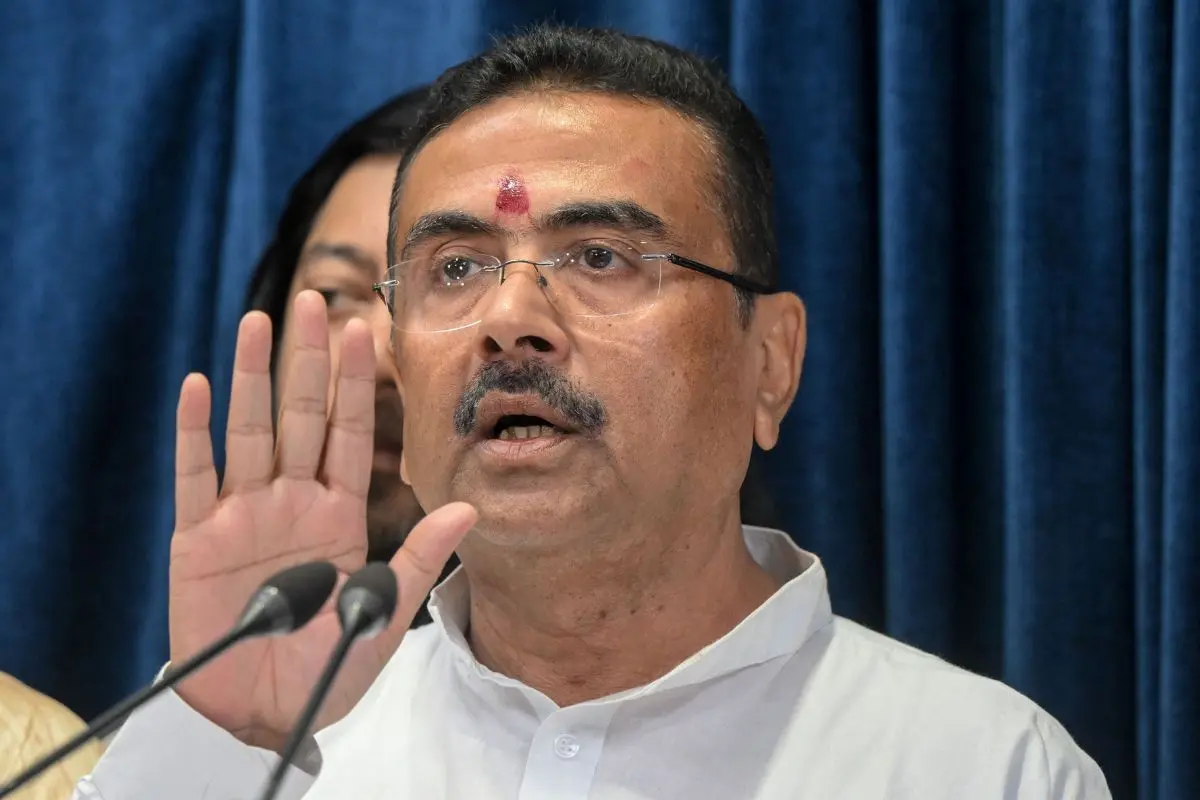
Kolkata: West Bengal Chief Minister Suvendu Adhikari on Monday said the contributions of Syama Prasad Mookerjee should be incorporated into the state's school textbooks from the next academic session.
He said students should be taught about Mookerjee's role in ensuring West Bengal remained a part of India, his vision of an undivided nation, and his contributions to public life.
Speaking at a programme marking Mookerjee's 125th birth anniversary at Mitra Institution in Kolkata, where the Bharatiya Jana Sangh founder studied, Adhikari said lessons on Mookerjee's role in the formation of West Bengal, his views on patriotism and national unity, his speeches in Parliament, his tenure as a Union minister, and his stint as the Vice Chancellor of Calcutta University should be included in school and university curricula.
The event was attended by the state's school education and higher education ministers.
Adhikari also announced financial assistance for the renovation of Mitra Institution, located in his Bhabanipur Assembly constituency.
He said Rs 25 lakh would be allocated from his MLA Local Area Development Fund for the restoration of the heritage school building during the current financial year.
The Chief Minister further said he has urged the School Education Department to include the institution under the PM Shri programme while preserving its heritage character. He added that the funds would be transferred to the Kolkata Municipal Corporation by August.
Seeking additional support, Adhikari said a portion of the Rs 200 crore earmarked by the Information and Cultural Affairs Department for commemorating Mookerjee's 125th birth anniversary should also be used for the school's development.
Syama Prasad Mookerjee, born on July 6, 1901, was the founder of the Bharatiya Jana Sangh, the predecessor of the BJP. He passed away in detention in Srinagar on June 23, 1953.
Mookerjee is remembered for advocating the complete integration of Jammu and Kashmir with the rest of India and opposing the special status granted under Article 370, which was revoked by the Union government in 2019.