'It can't be a 24/7 entertainment channel by court': SC bars unauthorised sharing of hearing videos
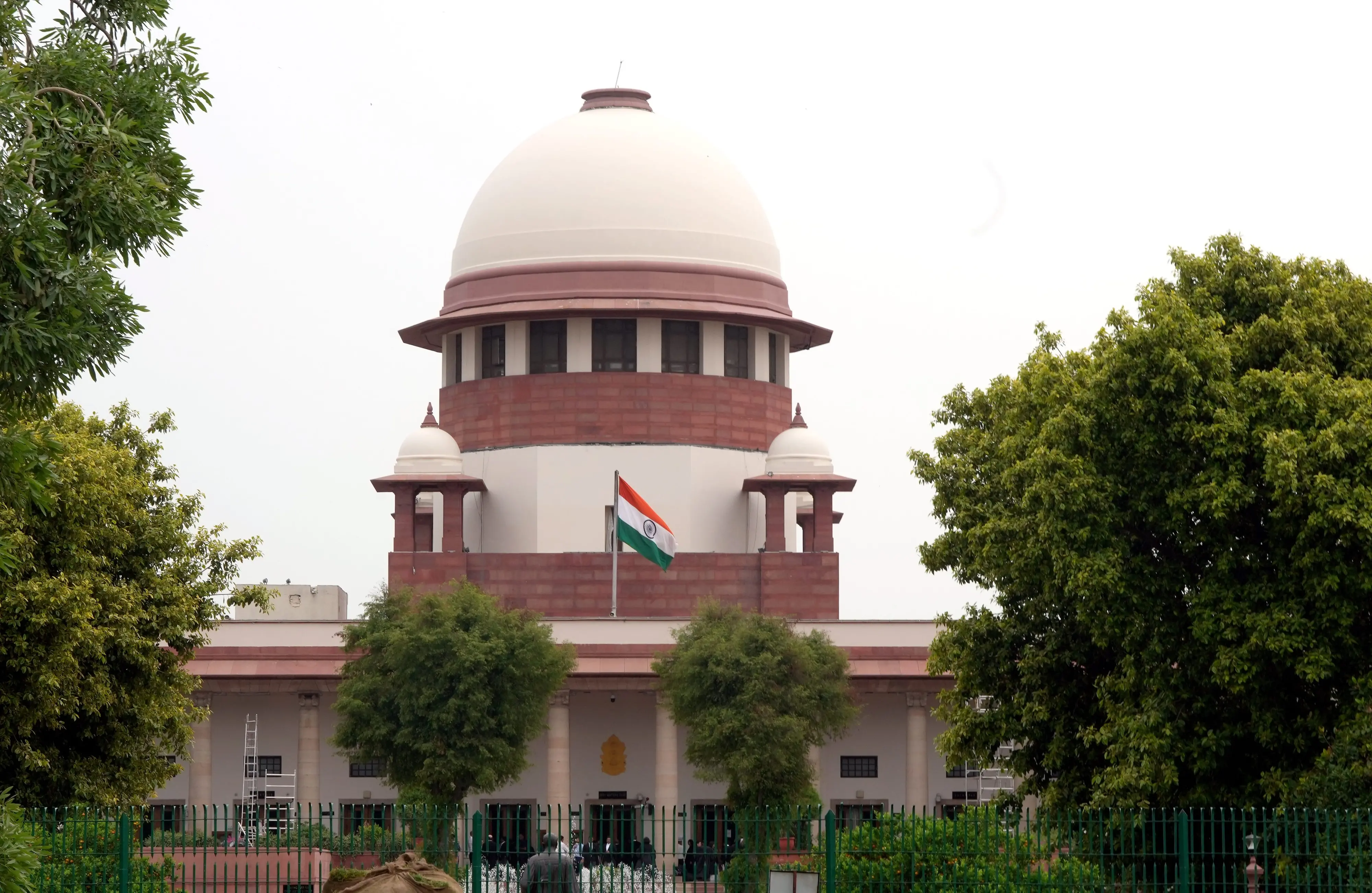
New Delhi: The Supreme Court on Friday passed an interim order prohibiting the extraction, editing, dissemination, reposting, uploading or monetisation of audio and video recordings of judicial proceedings on social media and other digital platforms without prior permission from the concerned court.
A Bench comprising Chief Justice of India Surya Kant, Justice Joymalya Bagchi and Justice V. Mohana directed that no audio or video recordings of court proceedings may be extracted, modified, shared or monetised online without the prior approval of the Registrar General of the concerned High Court or the Secretary General of the Supreme Court.
The court, however, clarified that the interim order would not affect news reporting of judicial proceedings.
The order was passed while hearing a public interest litigation filed by journalist Harshita Grover, who sought guidelines to regulate the clipping, editing, dissemination and monetisation of audiovisual recordings of court proceedings on digital platforms. The petition argued that selective and decontextualised circulation of courtroom exchanges undermines the dignity of courts and erodes public confidence in the justice delivery system.
The Bench issued notice on the petition, impleaded all High Courts and directed the Union government to identify the nodal ministries that could implement the proposed measures. It also asked all High Courts to submit reports on the adoption of the Supreme Court's model livestreaming guidelines and explain the impact of continuous livestreaming of proceedings.
Notices were also issued to social media intermediaries, including Meta and X.
During the hearing, Senior Advocate Vikas Singh, appearing for the petitioner, said he had no objection to livestreaming of court proceedings but expressed concern over the misuse of edited clips circulating on social media.
He argued that selectively edited videos often distort courtroom exchanges and referred to a recent viral clip from proceedings before Justice Viswanathan, saying such content risked bringing the judiciary into disrepute.
Singh also pointed to the Supreme Court's Model Rules for Live-Streaming and Recording of Court Proceedings, which prohibit unauthorised recording, sharing or dissemination of livestreamed proceedings or archived footage without prior written approval from the court. He urged the Bench to enforce these provisions through an interim order.
Justice Joymalya Bagchi observed that regulating digital data had become one of the biggest challenges in the online space and suggested that livestreaming should be treated as "an exception rather than a norm".
"Regulating data is one of the biggest challenges in digital space... so we should ensure limited access and therefore restrict livestream itself. Parties must expressly make a prayer that they want to see. It can't be a 24/7 entertainment channel by court," Justice Bagchi observed.
He also noted that virtual hearing links were frequently shared indiscriminately and said access to such proceedings required stricter regulation.
Solicitor General Tushar Mehta supported the plea for interim safeguards, warning that advances in artificial intelligence could enable manipulated courtroom videos to alter the spoken words of judges and lawyers while retaining authentic lip movements.
He also argued that selectively edited clips from livestreams were often circulated online to create misleading narratives about court proceedings.
Chief Justice Surya Kant acknowledged the growing problem of misinformation arising from distorted reporting, saying he had personally experienced instances where remarks attributed to him in the media had been inaccurately reported.
The interim order will remain in force while the Supreme Court continues to examine the broader issues surrounding the livestreaming, recording and online dissemination of judicial proceedings.