Supreme Court calls 16-year delay in acid attack trial ‘national shame’, directs HCs to submit pending case details
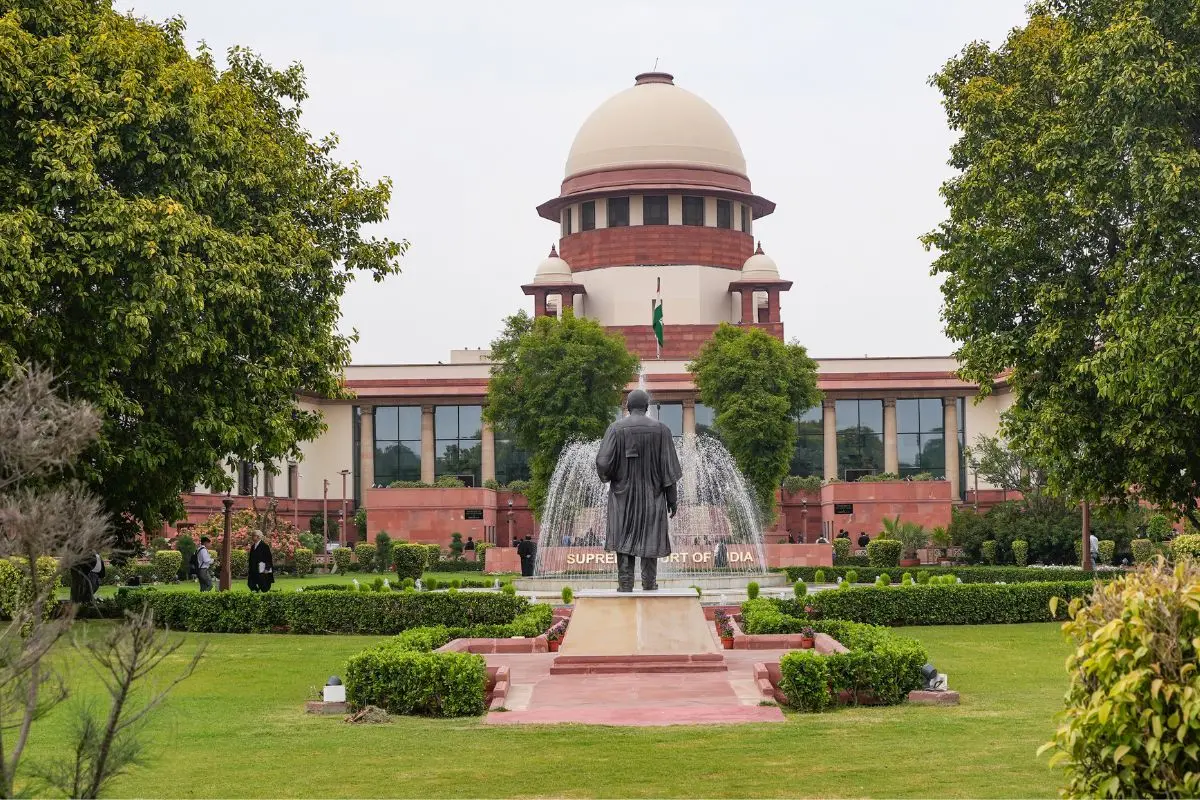
New Delhi: The Supreme Court on Thursday expressed strong disapproval over prolonged delays in acid attack trials, calling a 16-year-old pending case in a Delhi court a “national shame”. The bench, comprising Chief Justice Surya Kant and Justice Joymalya Bagchi, directed all high courts across the country to submit details of pending acid attack trials within four weeks.
The remarks came during a hearing on a public interest litigation (PIL) filed by acid attack survivor Shaheen Malik. Her case, pending since 2009 in a Rohini court, has seen repeated delays, leaving the bench outraged.
"What a mockery of the legal system! This is such a shame. If the national capital cannot handle this, then who will? This is national shame," the bench said.
The Supreme Court issued notices to the Centre and the Department of Empowerment of Persons with Disabilities, seeking their response on Malik’s plea to classify acid attack survivors as persons with disabilities, which would enable them to access government welfare schemes.
During the hearing, Malik highlighted the severe challenges faced by survivors, including the need for artificial feeding tubes and ongoing medical care due to lasting disabilities caused by acid attacks.
Solicitor General Tushar Mehta assured the court that the matter would be addressed with “due seriousness” and emphasised that perpetrators should face strict legal action.
The bench also encouraged Malik to file an application within the PIL detailing why her case has not been concluded, noting that the court may even take suo motu cognisance if necessary.
Chief Justice Kant suggested that acid attack cases should ideally be tried by special courts to ensure speedy justice and urged the Centre to consider amending laws, either through legislation or ordinance, to formally include acid attack survivors under the Rights of Persons with Disabilities Act.