Diabetes reaches even rural India as Jitendra Singh calls prevention a national priority
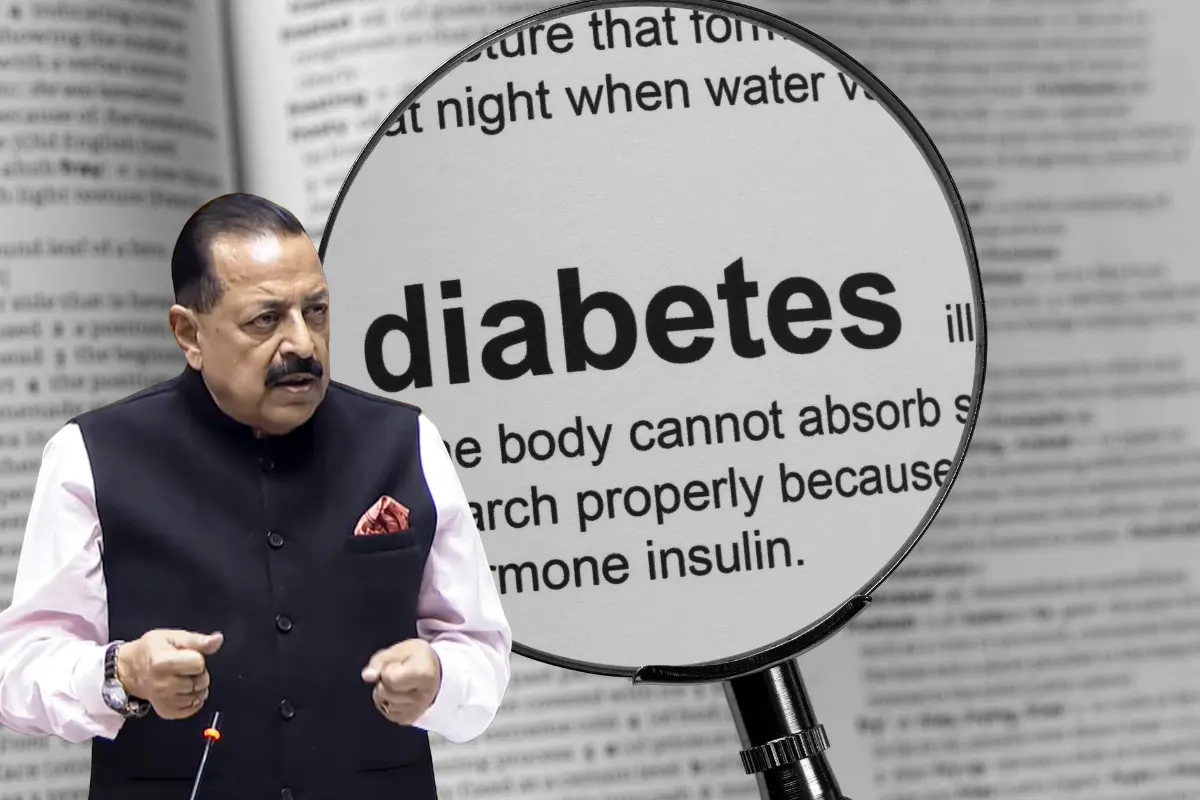
Diabetes is increasingly affecting rural India, prompting Union Minister Jitendra Singh to call for prevention, early detection and long-term care to become a national priority.
Union Minister of State for Science and Technology and Earth Sciences Dr Jitendra Singh has called for diabetes prevention to become a national priority, warning that rural India is no longer untouched by the country's growing diabetes burden.
Speaking at the inauguration of the Research Society for the Study of Diabetes in India's (RSSDI) Diabetes Rural Outreach Digital Portal and the launch of VISHWAS, the Diabetes Awareness Video Library, Singh stressed the need for a community-led, technology-enabled and data-driven approach to diabetes prevention and management.
For years, diabetes has often been associated with urbanisation, sedentary lifestyles and changing food habits. However, the disease is increasingly affecting rural communities as well, making access to screening, treatment and regular follow-up outside major cities increasingly important.
Focus on prevention and early detection
Singh said healthcare efforts must go beyond treating existing cases and focus on preventing new cases, detecting diabetes early and ensuring sustained follow-up.
Diabetes can remain undetected for a long period, allowing complications involving the heart, kidneys, eyes, nerves and blood vessels to develop. Early screening can help identify people with high blood sugar or those at increased risk, allowing timely lifestyle changes and medical intervention.
Regular physical activity, a balanced diet, maintaining a healthy weight and avoiding tobacco can help reduce the risk of type 2 diabetes. Regular health checks can also help identify elevated blood sugar earlier.
Rural outreach programme expands
The RSSDI Rural Outreach Programme aims to bring diabetes awareness, screening, treatment and follow-up closer to rural communities.
Under the initiative, villages are being adopted to create a structured system for diabetes awareness and care. The programme has already reached around 30 villages across several states, with plans for further expansion.
The initiative is intended to address the difficulty many rural residents face in accessing specialist healthcare, particularly when they have to travel long distances for diagnosis or regular follow-up.
Digital portal to track patients
The newly launched digital portal is designed to support systematic documentation of rural diabetes care. It can help healthcare teams record screening, treatment and follow-up information while monitoring patient outcomes.
Singh said such data could also help researchers understand diabetes patterns in rural India and develop evidence-based public health strategies suited to Indian communities.
He also highlighted the importance of making digital health services accessible in India's diverse linguistic environment, including the colloquial languages used by people at the grassroots level.
Why India's young population matters
Singh linked diabetes prevention to India's long-term development goals, noting that more than 70 per cent of the country's population is below the age of 40.
The growing incidence of diabetes among younger adults is particularly significant because an earlier diagnosis can mean a longer period of exposure to the disease and its potential complications.
Singh said protecting the health and productive potential of India's young population will be important to the country's development goals for 2047.
Coordination needed across healthcare
Singh called for greater cooperation between government agencies, academic institutions, technology companies, private organisations and local healthcare workers.
He said diabetes prevention and management cannot remain the responsibility of doctors alone and require coordinated action involving individuals, communities and healthcare institutions.
The RSSDI initiative combines community-level outreach with digital documentation, with the aim of developing a scalable model for diabetes prevention, early diagnosis, treatment and long-term follow-up.
Analysis
The growing focus on rural diabetes reflects a broader shift in India's non-communicable disease challenge. Diabetes is no longer primarily an urban healthcare concern, and expanding screening in villages could help identify cases before complications emerge.
The combination of community screening, digital records and continued follow-up is significant because diagnosis alone does not address the long-term nature of diabetes. Patients need sustained monitoring and access to treatment, while policymakers need reliable data to identify gaps in healthcare delivery.
The emphasis on prevention is also important for younger Indians. With a large share of the population below 40, reducing risk factors and detecting diabetes earlier could have implications for both individual health and the country's future healthcare burden.