'Students, idiots and Andhbhakts': Rahul Gandhi's Lok Sabha speech sparks uproar
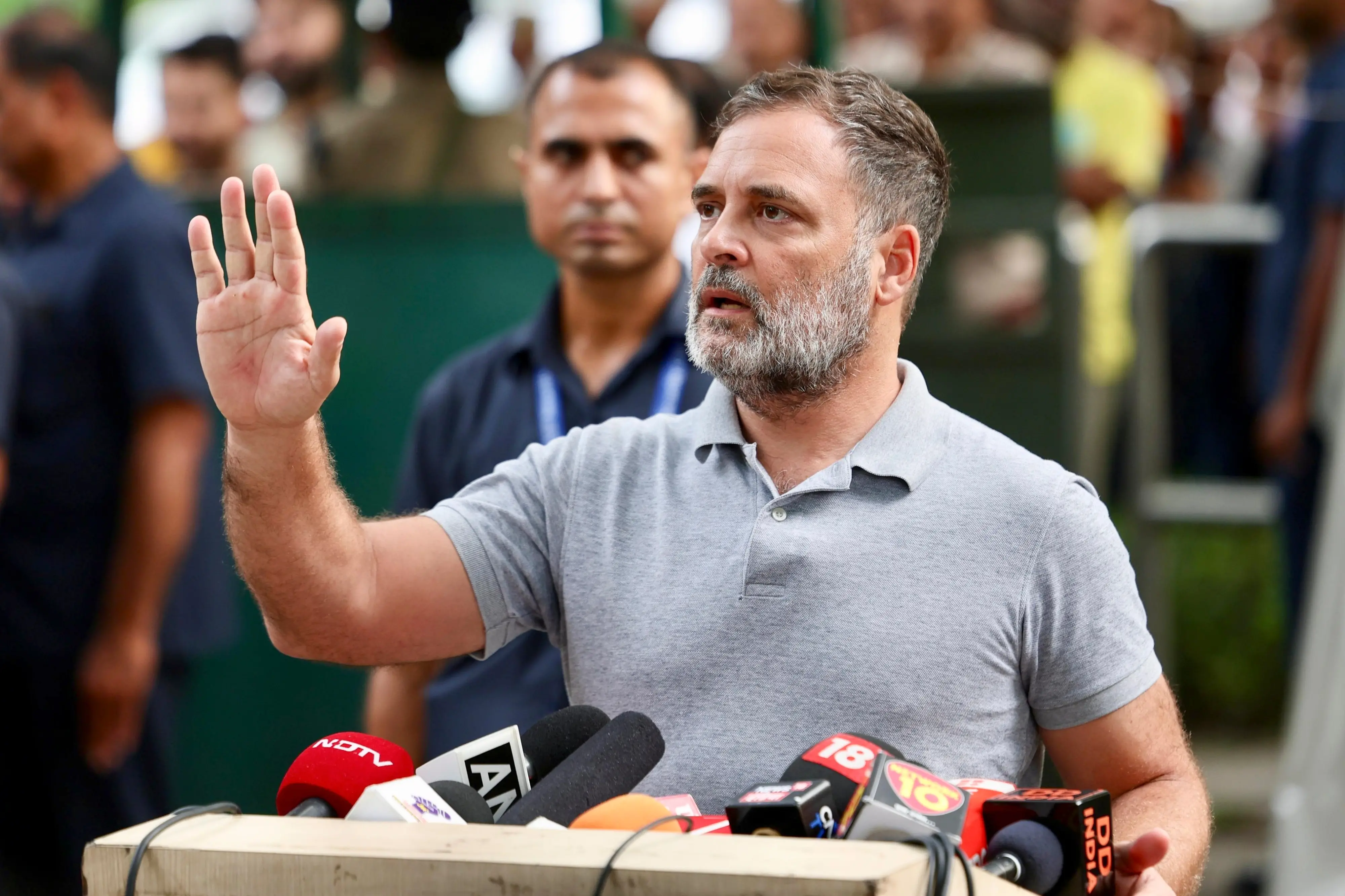
New Delhi: Leader of the Opposition Rahul Gandhi used the debate on the Public Examinations (Prevention of Unfair Means) Amendment Bill, 2026, to argue that the paper leak crisis is not an isolated administrative problem but the result of wider failures in India's education system.
Rather than limiting his speech to the proposed amendments, Gandhi broadened the discussion to rising education costs, shrinking opportunities for young people, and growing frustration among students who have repeatedly faced cancelled examinations, paper leaks and delays in recruitment.
He argued that Parliament should focus not only on punishing those involved in paper leaks but also on understanding why students across the country have repeatedly taken to the streets demanding accountability.
'This was not anger, not violence'
Referring to recent nationwide student protests, Gandhi said they reflected hope rather than hostility. "I was very excited, reassured by what the future of this country did on our streets. This was not anger, not violence, not hatred. This was a deep expression of the youth of this country, of the future generation of this country."
He urged political parties across the spectrum to acknowledge the concerns raised by students instead of dismissing them. "All political parties must respect this expression, including my friends in the BJP."
He added that if BJP leaders spoke to their own children, they would likely find sympathy for the protesting students.
Education system under criticism
Gandhi argued that India's education system has become increasingly expensive while failing to guarantee fairness in examinations. He claimed that the recurring paper leak scandals have damaged the confidence of millions of students who spend years preparing for competitive exams.
He remarked: "The education system is very expensive."
He also alleged that excessive public resources were being spent on conducting examinations while students continued to face repeated irregularities. His broader argument was that examination reforms alone would not restore confidence unless systemic weaknesses in the education sector were addressed.
Although the exact comparison he made regarding examination expenditure and the education budget was political rhetoric rather than an officially established fiscal comparison, it formed part of his criticism that government priorities were misplaced.
'Students, idiots and Andhbhakts'
The most contentious moment of Gandhi's speech came when he quoted what he described as a student's observation. "There are three categories – students, idiots, and Andhbhakts who follow these idiots."
The remark immediately triggered protests from Treasury bench MPs, who accused him of using inappropriate language inside Parliament.
Speaker Om Birla intervened, asking Gandhi to stay focused on the legislation under discussion.
Gandhi defended himself by saying he was quoting the words of a student to illustrate the mood among young people and insisted that he was not referring to any individual Member of Parliament.
His clarification did little to calm the House, with BJP MPs continuing to object to the language used during the debate.
Government says Bill is aimed at restoring trust
Before Gandhi's speech, Parliamentary Affairs Minister Kiren Rijiju defended the proposed legislation and criticised the Opposition for moving away from the subject of the Bill.
Rijiju said the amendments had been introduced after repeated concerns from students over examination malpractices and paper leaks. According to him, the objective of the legislation is to improve transparency, strengthen the examination system and restore public confidence.
He also appealed to Gandhi to debate the provisions of the Bill instead of turning the discussion into a broader political confrontation.
Rijiju further argued that parliamentary debates should remain focused on legislative improvements and criticised Gandhi's language, saying democratic disagreements should be expressed with dignity.
Opposition questions whether tougher laws alone will solve the crisis
While the government has presented the amendment as a strong legal response to organised examination fraud, Opposition parties have questioned whether stricter punishments alone address the underlying causes.
Critics point out that paper leaks have affected several major recruitment and entrance examinations over recent years despite existing legal provisions. They argue that repeated failures indicate weaknesses in examination management, security protocols, accountability mechanisms and institutional oversight rather than merely the absence of stronger penalties.
Several Opposition leaders have also argued that students have repeatedly demanded faster investigations, transparent disclosures after paper leaks, timely re-examinations and accountability for officials responsible for lapses. They contend that legislation without effective implementation may do little to rebuild public trust.
Why the debate matters
The debate extends beyond a single amendment Bill. Competitive examinations determine admission to universities and recruitment into government jobs for millions of young Indians each year. Every cancelled examination or confirmed paper leak forces candidates to spend additional months preparing, often at significant financial and emotional cost.
For many students, especially those from lower-income families, repeated examination failures caused by administrative lapses can mean losing employment opportunities, exhausting family savings and delaying careers by years.
This is why student organisations have increasingly argued that preventing paper leaks requires not only criminal penalties but also institutional reforms, technological safeguards, greater transparency, independent oversight and swift accountability whenever failures occur.
Political significance
The exchange highlighted two competing narratives emerging from the debate.
The government maintains that stronger legal provisions are necessary to deter organised cheating networks and restore confidence in the examination system. The Opposition argues that the legislation addresses the consequences of paper leaks but does not sufficiently confront the administrative failures that have allowed such incidents to recur.
Rahul Gandhi sought to frame the issue as one of declining trust between young people and public institutions, while the government presented the Bill as evidence that it is responding to students' concerns.
The sharp exchanges in Parliament underscored that the debate over examination reforms is likely to remain politically significant as concerns over fairness, transparency and accountability continue to dominate public discussion among students and job aspirants across the country.