‘Represented India in 3 nations’: Ex-diplomat asked to prove citizenship during Punjab SIR
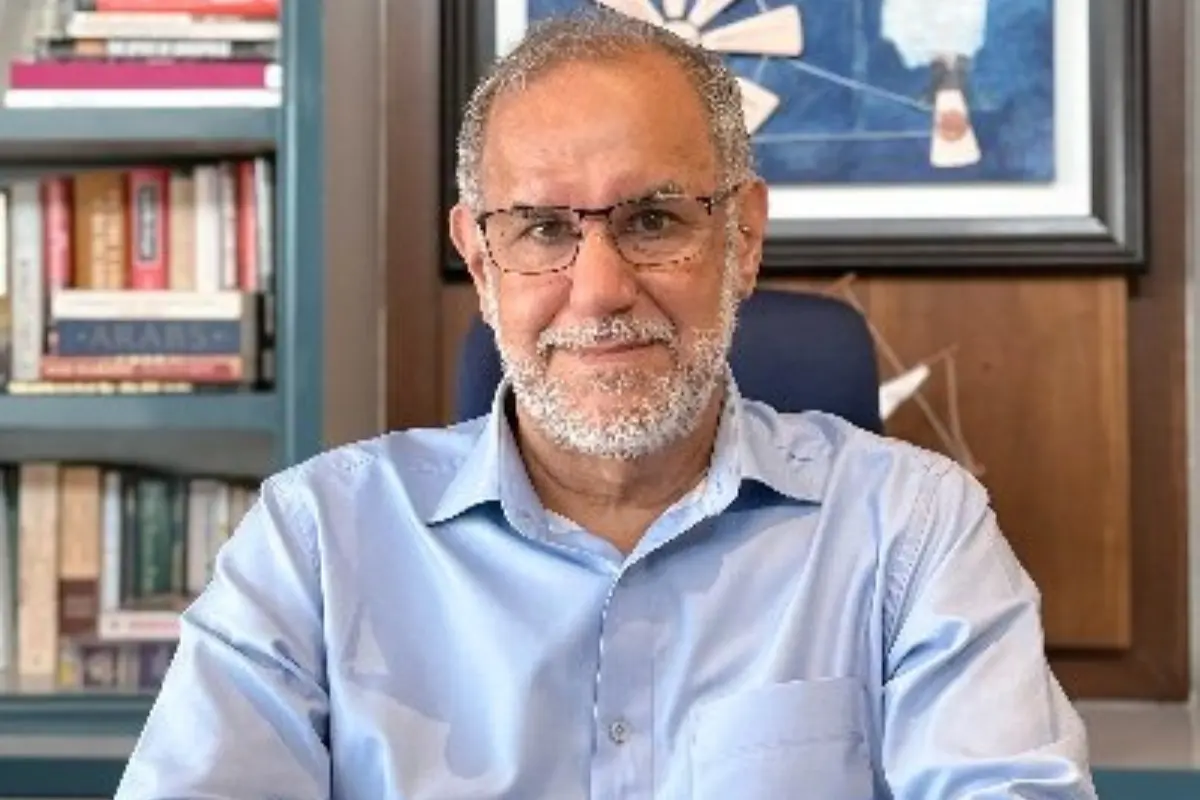
New Delhi: The ongoing Special Intensive Revision (SIR) of electoral rolls in Punjab has drawn fresh attention to the challenges voters may face when their current details do not match older electoral records, after former diplomat Navdeep Suri said he was asked to provide additional proof of citizenship.
Suri, who served as India’s ambassador to Egypt and the UAE and as high commissioner to Australia, shared his experience on X. He said he submitted his voter ID and Aadhaar card to the booth-level officer (BLO) and was initially assured that everything was in order.
He later received a message from a volunteer saying that some of his details did not match the SIR records from 2003.
Suri said he then contacted the BLO and was asked to collect a notice and return with documents proving that he was an Indian citizen. As he was not in India in 2003, he said he was asked to produce his passport.
Suri said he had documents beyond his voter ID and Aadhaar and could provide a passport when asked. However, he questioned how ordinary voters might cope with similar discrepancies during the verification process.
“If I have trouble establishing my citizenship after representing India in three countries, what’s the fate of the common citizen?” he asked in a post on X.
His comments have drawn attention to a practical aspect of SIR: the difficulty some voters may face when their present-day documents or details cannot be readily matched with older electoral rolls.
The Election Commission, the Punjab government and the Centre have not issued any specific response to Suri’s account.
Why old electoral rolls are important in SIR
The SIR process requires voters whose names are not established through the relevant legacy electoral rolls to provide supporting documents as part of the verification process.
In Punjab, the exercise is linked to earlier electoral records, including the 2002 and 2003 rolls. The Election Commission had initially prescribed 11 documents that could be used for the verification process, with Aadhaar not included in the original list.
Following proceedings in the Supreme Court, Aadhaar was subsequently included among the acceptable documents.
The Supreme Court has also emphasised that while the Election Commission has the authority to revise electoral rolls, that power is not unlimited and must be exercised in accordance with principles including transparency and natural justice.
Also read | ₹5 crore to hush up rape case? NHRC notice to Punjab CM Bhagwant Mann's wife
Punjab SIR enters claims and objections phase
The draft electoral roll for Punjab was published after the house-to-house enumeration phase of the SIR exercise.
According to officials, enumeration forms covering nearly 1.94 crore electors out of the state's approximately 2.14 crore electorate were collected and digitised.
More than 20 lakh electors were categorised as absent, shifted, dead or duplicate during the enumeration exercise.
The claims-and-objections process is now underway, giving voters an opportunity to challenge discrepancies or omissions before the final electoral roll is published.
Also read | RTI reveals record ₹92 crore spent on upkeep of Union ministers’ Delhi residences
SIR has triggered similar concerns
Suri’s experience is not the first instance of a public figure reporting difficulties with legacy electoral records during the revision process.
AAP leader Somnath Bharti had earlier said he could not find his name in the 2002 electoral roll and raised concerns about the possible deletion of large numbers of names.
The wider SIR exercise has already generated debate since it was introduced in Bihar in 2025. Large numbers of names were removed from electoral rolls there, including those of deceased voters. A similar exercise in West Bengal also led to substantial deletions before the state assembly election.
Against this backdrop, Suri’s experience has brought the focus back to a central question surrounding the Punjab exercise: how easily can genuine voters resolve discrepancies when their current details do not match decades-old electoral records?
The claims-and-objections phase will be crucial in determining how such cases are examined and resolved before the final rolls are published.