‘North, south, east or west—no discrimination’: PM Modi on delimitation bill
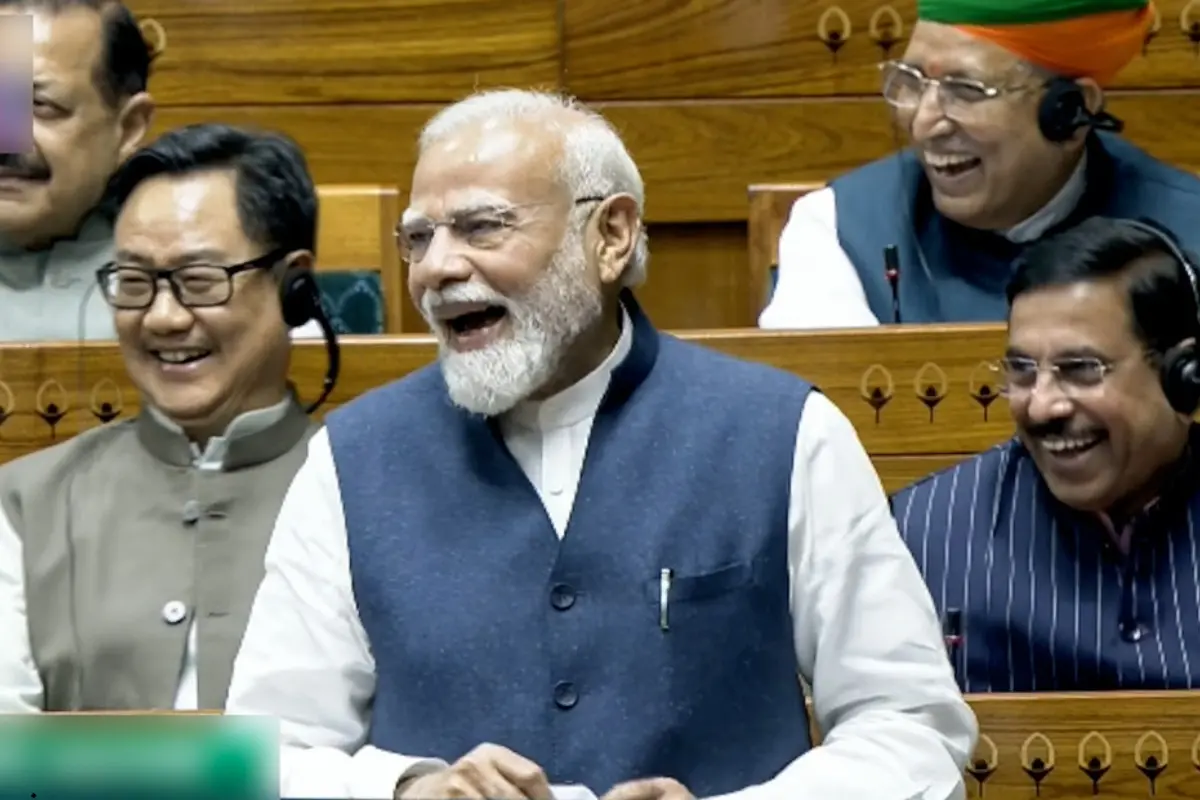
New Delhi: Prime Minister Narendra Modi, intervening in the Lok Sabha debate on the women’s reservation and delimitation bills, said that no state—north, south, east or west—will be discriminated against in the proposed exercise.
He said the entire process will be carried out in a fair manner and assured that there will be no injustice to any region. “I want to say from this House with a great sense of responsibility that this decision-making process will not discriminate against any state or do injustice to anyone,” he said.
PM Modi also clarified that no state will lose its share of representation in the Lok Sabha. He said that while the total number of seats will increase, the proportion of seats allocated to each state will remain unchanged. “There will be no change in that proportion either, and the increase will also be in the same proportion,” he added.
On the implementation timeline, the Prime Minister said the women’s reservation law is planned to come into effect from the 2029 general elections. He noted that sufficient time is available to complete the required processes and stressed that further delays should be avoided.
He also urged Parliament not to view the legislation through a political lens, saying that women’s reservation should not be treated as a matter of political gain or loss. He added that if any party opposes the measure, it may face consequences from voters, especially women.
PM Modi further said the government does not seek credit for the passage of the bill. He said opposition parties are free to claim credit if they wish, adding that intent matters more than political recognition.
Highlighting the broader theme, he said women’s participation in governance is a constitutional right and a key part of building a developed India. He also pointed to the growing role of women leaders at the grassroots level through panchayati raj institutions.
The government’s position is that delimitation will be conducted through an expanded Lok Sabha model, ensuring no reduction in absolute representation for any state. However, political concerns remain regarding whether proportional influence between states could shift over time depending on population-based seat allocation.
(With PTI inputs)