Government orders 30-day LPG reserve plan amid West Asia crisis, fuel supply concerns rise
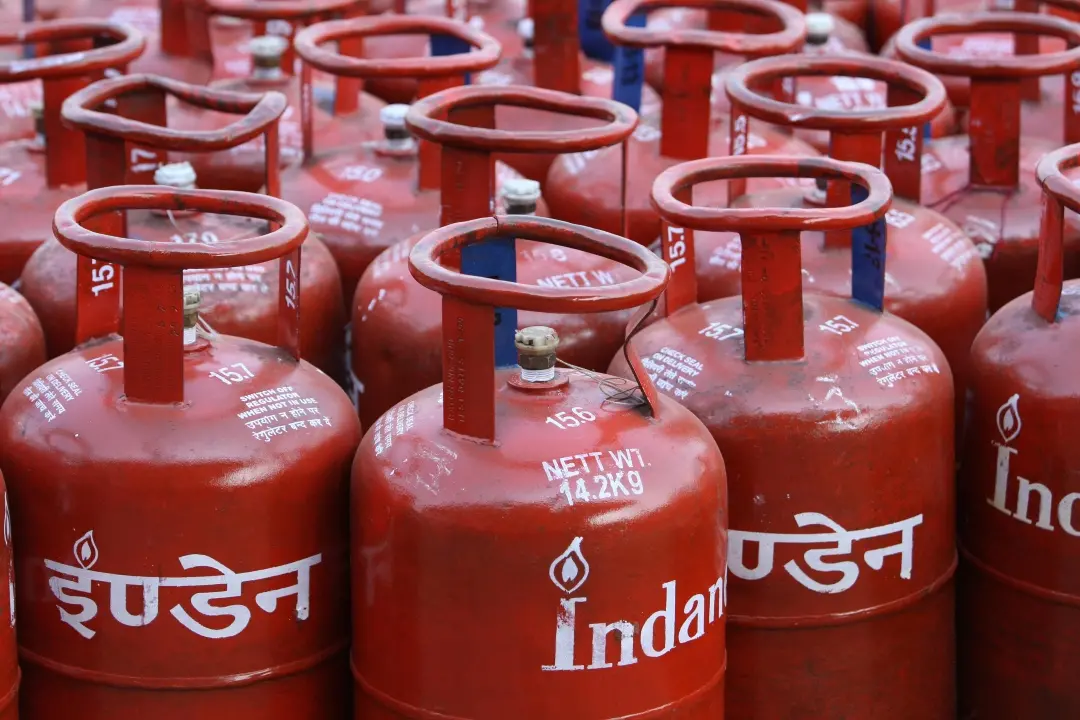
The Centre has directed state-run oil companies to create enough liquefied petroleum gas (LPG) storage to meet at least 30 days of demand, a major step aimed at protecting household cooking gas supplies as disruptions linked to the West Asia conflict continue to impact global energy markets.
The move comes after supply chains across the Gulf region faced disruptions during the three-month conflict, raising concerns over India's dependence on imported LPG. According to the government, public sector oil marketing companies — Indian Oil Corporation (IOC), Bharat Petroleum Corporation Ltd (BPCL) and Hindustan Petroleum Corporation Ltd (HPCL), have been asked to prepare plans for additional LPG storage beyond their regular commercial inventories.
Speaking to reporters on Friday, Petroleum Ministry Joint Secretary Sujata Sharma said the government was working on strategic reserves and had instructed fuel retailers to develop a plan for maintaining LPG stocks for a minimum of 30 days.
India relies heavily on the Gulf region for its energy needs. Around 90% of the country's LPG supplies, 65% of natural gas imports, and nearly 40% of crude oil imports come from the region. The recent conflict exposed vulnerabilities in supply chains, prompting the government to strengthen energy security measures.
Why is the government increasing LPG reserves?
The latest decision is aimed at preventing shortages and ensuring uninterrupted LPG availability for households in case global supply disruptions worsen. While India has managed to secure crude oil and natural gas supplies from alternative sources, LPG availability faced pressure during the conflict, forcing authorities to regulate supplies for some commercial users.
The government also indicated that efforts are underway to expand crude oil storage capacity, although detailed plans have not yet been disclosed.
Officials stressed that there is currently no shortage of fuel in the country. According to the petroleum ministry, India has adequate stocks of petrol, diesel, LPG, crude oil, and natural gas, while domestic LPG production has reached a record high of around 52,000 tonnes per day.
"No dry-out has been reported at any LPG distributorship," Sharma said, reassuring consumers amid concerns over supply disruptions.
Are panic buying and fuel hoarding becoming a concern?
The government has also flagged unusually high fuel purchases in several parts of the country. More than 150 districts have recorded over 30% growth in petrol sales, while diesel demand has surged by over 30% in 156 districts. In some regions, sales have more than doubled.
Officials attributed the rise partly to agricultural demand and partly to a shift by consumers and bulk buyers towards state-run fuel stations, where prices remain lower than those charged by private retailers.
In response, the Centre has advised states and Union Territories to form special enforcement squads to prevent hoarding and black marketing. Consumers have also been urged not to panic buy fuel and to purchase only through authorised channels.
With PTI inputs