Last MiG-21 fighter aircraft to retire from IAF on September 19
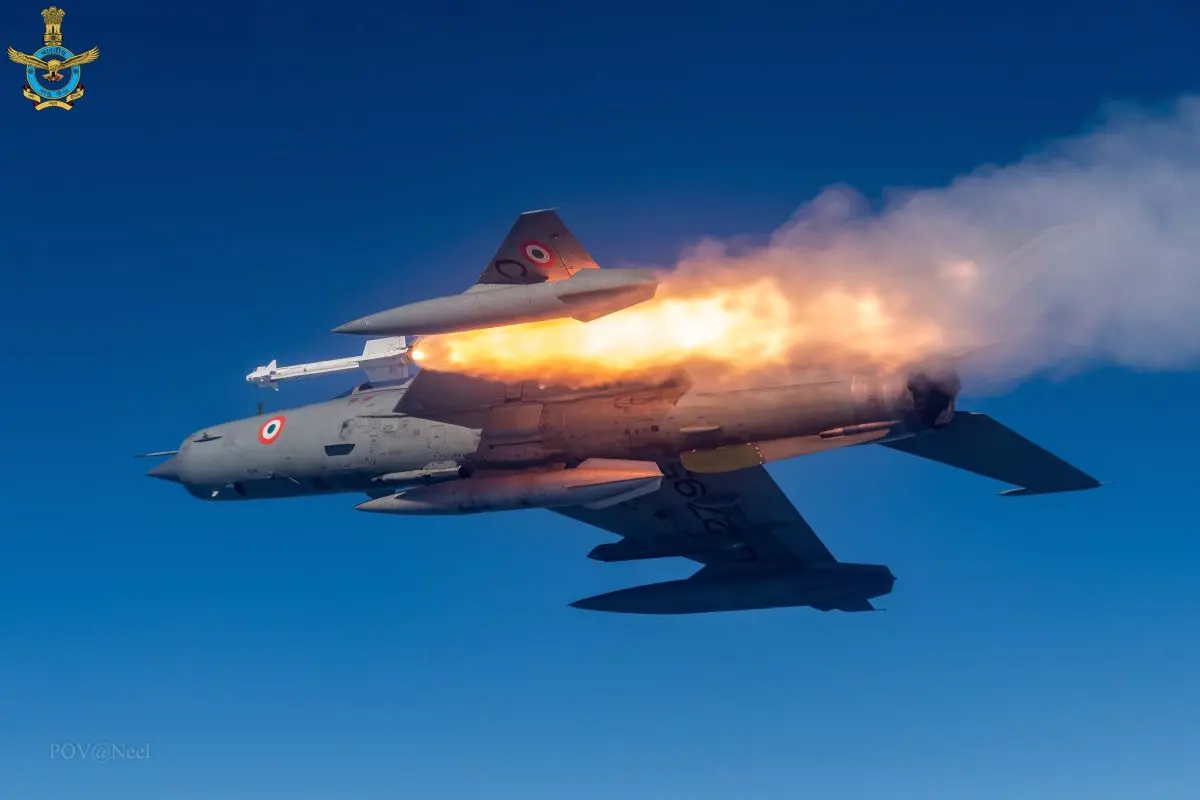
After more than six decades of distinguished service, the iconic MiG-21 fighter jet is finally set to be retired from the Indian Air Force (IAF). A ceremonial farewell for the last remaining aircraft is planned for September 19 at the Chandigarh airbase, marking the end of an era.
The last operational aircraft belong to the 23 Squadron, famously known as the "Panthers." The retirement of the MiG-21 leaves a mixed legacy. Introduced in 1963, it was India's first supersonic jet, providing a crucial aerial advantage in the 1960s and '70s. However, its later years were marred by a high accident rate, earning it the grim moniker 'Flying Coffin.'
Combat squadron strength at historic low
With the 23 Squadron being "number plated" (deactivated), the IAF's combat squadron strength will fall to a historic low of just 29 squadrons. This represents the lowest combat strength the Air Force has seen since the 1960s; even during the 1965 war, the IAF maintained 32 fighter jet squadrons.
The MiG-21, in its many variants, has served the IAF for an incredible 62 years. Its operational history includes participation in the 1965 war against Pakistan, the liberation of Bangladesh in 1971, the Kargil operations of 1999, and even the Balakot strikes in 2019. The last remaining MiG-21 squadron has also been on operational alert during the ongoing Operation Sindoor.
Farewell ceremony
Sources indicate that the farewell ceremony will be attended by senior Air Force leadership and veterans who have been associated with the fleet over the years. Flypasts and static displays are planned to commemorate the occasion.
Beyond its record for the longest service, the MiG-21 fleet was also the largest ever operated by India, with over 850 aircraft of the MiG-21 family, including trainers, acquired. Nearly 600 of these were manufactured domestically by Hindustan Aeronautics Limited (HAL).
The fighter jet has been involved in over 400 accidents, leading to the deaths of approximately 200 pilots. This grim record has earned the aircraft unfortunate epithets such as "Flying Coffin" and "Widow Maker."
Despite these alarming figures, officials note that the high number of crashes is partly attributable to the MiG-21's sheer numerical dominance and prolonged service within the IAF. Throughout the 1980s and 1990s, these planes constituted more than 60% of the air force’s fighting strength. The IAF progressively inducted a staggering 874 MiG-21s since the maiden batch of six MiG-21Fs entered service in March-April 1963.
While the operational life of these fighters has long been considered over, the Air Force has been compelled to extend the lifespan of the remaining fleet due to delays in the acquisition and delivery of adequate modern fighter jets, particularly the indigenous Light Combat Aircraft (LCA Mk1A), needed to replenish squadron numbers.