IndiGo may face antitrust probe as CCI examines possible misuse of market power
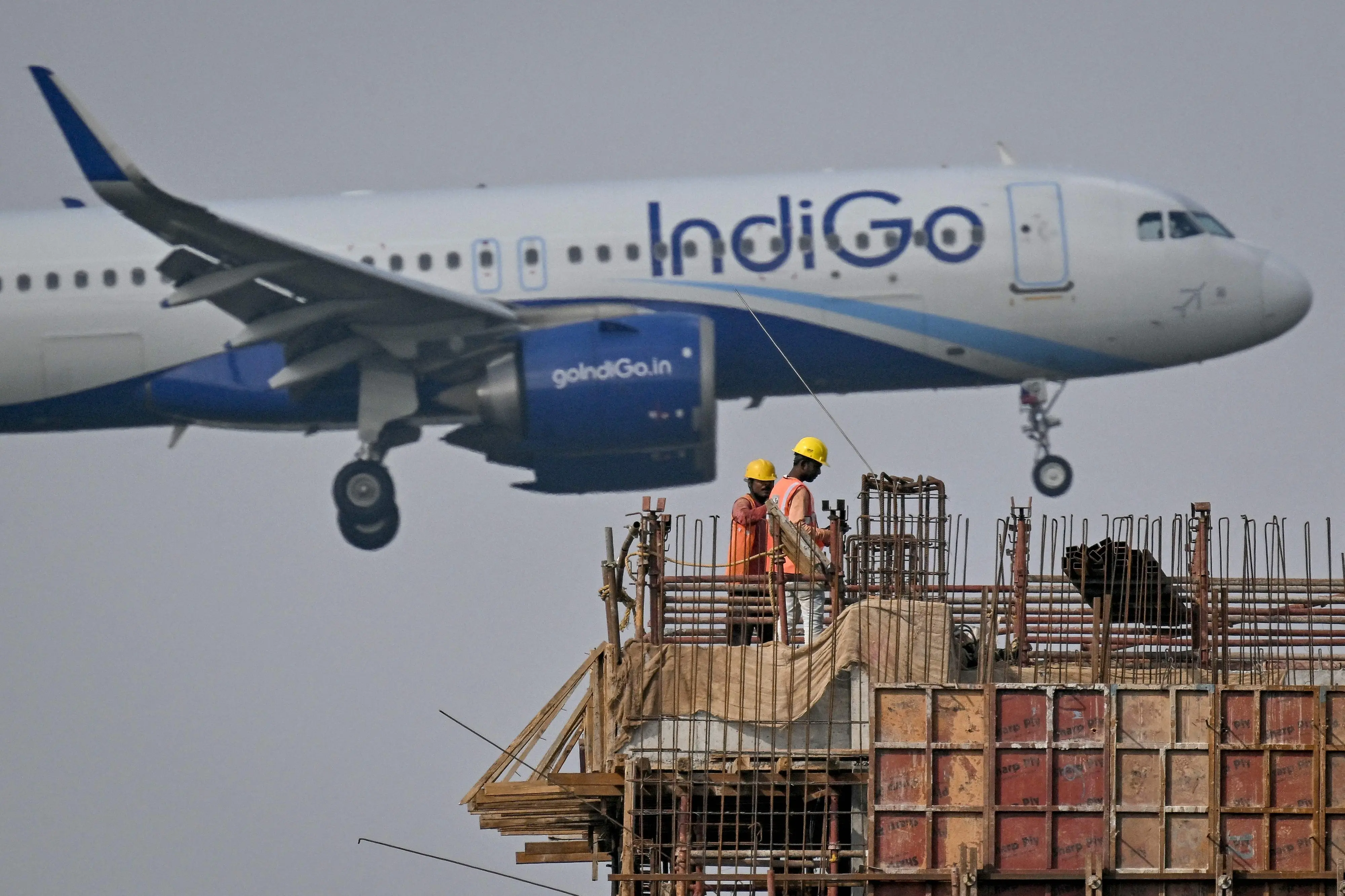
IndiGo’s troubles continue to grow, with the Competition Commission of India (CCI) now considering an investigation into whether the airline misused its dominant market position. Sources have claimed that CCI may soon begin examining if IndiGo violated India’s antitrust laws by restricting services or imposing unfair conditions on passengers.
According to sources, there is a strong basis for the CCI to step in, even though the Directorate General of Civil Aviation (DGCA) is separately leading the main investigation into the airline’s ongoing operational crisis. The CCI is monitoring the situation and is expected to decide shortly whether to formally begin an inquiry under its jurisdiction.
What happens if CCI finds signs of unfair practices?
Under Section 4 of the Competition Act, companies holding a dominant position cannot misuse their power. This includes imposing unfair or discriminatory conditions on customers, limiting services or reducing availability, treating consumers unfairly and engaging in behaviour that affects market competition.
If the CCI suspects wrongdoing, it can launch an inquiry on its own, act based on complaints from the public, or respond to references from the central or state governments.
If initial findings indicate anti-competitive behaviour, the CCI’s Director General carries out a full investigation and submits a final report. If there is no evidence, the case is closed.
This is not the first time IndiGo has come under the CCI’s lens. Earlier cases, one filed by an individual alleging unfair treatment of passengers and another by Air India accusing IndiGo of predatory hiring were both dismissed in 2015 and 2016.
IndiGo currently controls about 65% of India’s domestic aviation market, making it the country’s largest airline. However, it has cancelled more than 5,000 flights this month after failing to meet new mandatory pilot rest rules, leading to a severe shortage of cockpit crew.
The airline needed 2,422 captains, but only 2,357 were available, according to the report. The shortage triggered widespread cancellations, stranding thousands of passengers at airports across the country during the peak holiday travel period.