What do the attacks on Indian vessels reveal about Iran’s power dynamics?
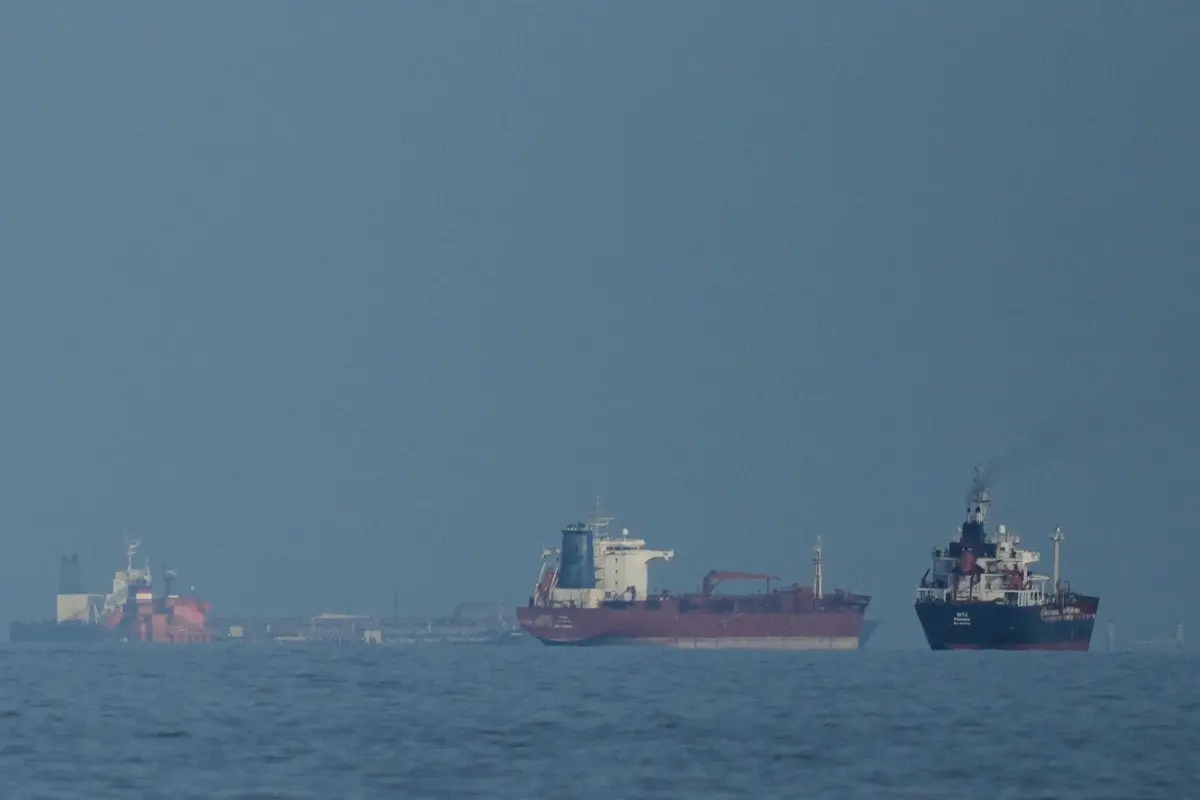
Indian merchant ships have been caught in the crossfire of a power struggle in the Middle East. Two vessels, the Sanmar Herald and the Jag Arnav, were reportedly fired upon by Iranian Revolutionary Guard (IRGC) gunboats while navigating the narrow Strait of Hormuz.
Ambush at sea
The attacks mark a major escalation. It is the first time Iranian forces have targeted Indian-flagged ships. The Sanmar Herald, a tanker carrying Iraqi crude oil, and the Jag Arnav, a bulk carrier from Saudi Arabia, were both heading for India when the incident occurred.
Reports suggest IRGC boats approached without any radio contact before opening fire. One ship was reportedly hit by a projectile that damaged cargo containers. Fortunately, no crew members were injured, and both vessels managed to turn back. This violence comes as a shock because Tehran had previously suggested that neutral countries would be safe from such strikes.
Tehran’s internal rift
The strikes signal deep confusion within Iran’s leadership. While the civilian government in Tehran claimed the waterway was open for trade, the IRGC appears to be operating under its own rules. Experts describe this as a "heterarchical" system where no single authority is in charge.
This internal friction has left the world’s most important oil lane in a state of chaos. While diplomats push for a ceasefire, the military on the ground continues to enforce a blockade. The IRGC has warned it will control the passage until the regional conflict is over, overriding the softer stance of Iran’s foreign ministry.
India’s strategic response
New Delhi has reacted swiftly by summoning the Iranian ambassador to lodge a formal protest. The incident is a direct threat to India’s energy security, as nearly 90% of its gas imports pass through this single point.
To manage the crisis, India is in talks with international partners and seeking to buy oil from a wider range of global suppliers. Officials say the priority is protecting the energy needs of 1.4 billion people while navigating an increasingly volatile market. For now, the Strait remains a high-risk zone where diplomatic promises do not always match the reality at sea.