What triggers a 30-day flying ban under DGCA draft? Check details
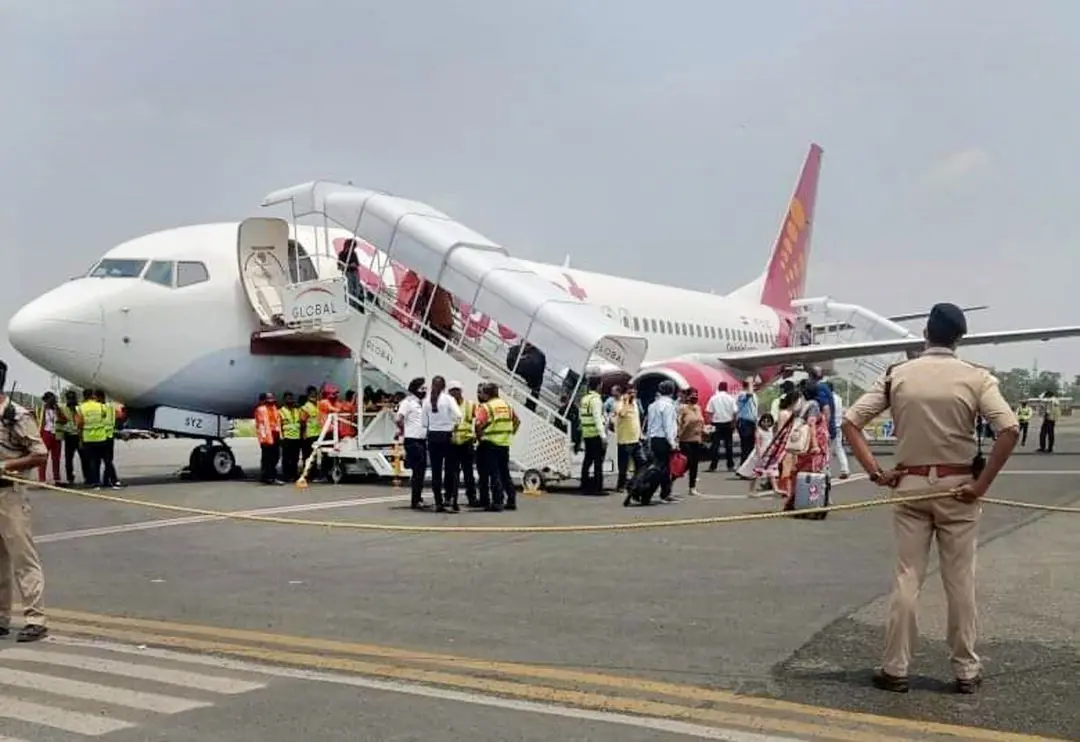
India’s aviation regulator has proposed tougher measures to deal with unruly passengers on flights, including allowing airlines to directly impose a flying ban of up to 30 days in certain cases.
In its draft revised Civil Aviation Requirement (CAR), the Directorate General of Civil Aviation (DGCA) said a “No/Zero Tolerance Policy” has been adopted to ensure the safety of aircraft, passengers, crew and property, and to maintain discipline on board.
Under the proposed rules, airlines will be permitted to immediately ban a disruptive passenger for up to 30 days without referring the case to an Independent Committee, provided the passenger is found to have committed specific disruptive acts during the flight.
These acts include smoking on board, consuming alcohol on a domestic flight, misusing an emergency exit, or unauthorised use of safety equipment such as life jackets.
At present, under existing rules, airlines can impose a temporary ban of up to 45 days pending a decision by an Independent Committee. This provision will continue under the proposed revised norms as well.
The DGCA has also proposed that every airline must formulate and implement a Standard Operating Procedure (SOP) for handling unruly passengers. Airlines will be required to report such incidents to the regulator and circulate the SOP among all concerned stakeholders.
An Independent Committee set up by the airline which will include a representative from another airline will decide on the final duration of the flying ban in serious cases.
Levels of Offences and Ban Periods
The regulator has categorised unruly behaviour into four levels, with increasing severity and corresponding penalties:
- Level 1: Includes verbal abuse, physical gestures, unruly behaviour due to intoxication, and other minor disruptions. A flying ban of up to three months can be imposed.
- Level 2: Covers physically abusive actions such as pushing, kicking, hitting, grabbing, inappropriate touching or sexual harassment. A ban of up to six months may be imposed.
- Level 3: Refers to life-threatening behaviour, including damaging aircraft operating systems, choking, eye-gouging, or other serious physical assaults. In such cases, a minimum ban of two years or more may be imposed, without an upper limit.
- Level 4: Involves attempted or actual breach of the flight crew compartment. This is considered extremely serious and can attract a minimum ban of two years or more.
In addition, individuals may also be banned from flying on grounds of national security risk.
The draft rules are aimed at strengthening aviation safety and sending a strong message against indiscipline on board aircraft.