India to roll out 72,300 EV charging stations nationwide under PM eDrive; Centre issues new guidelines
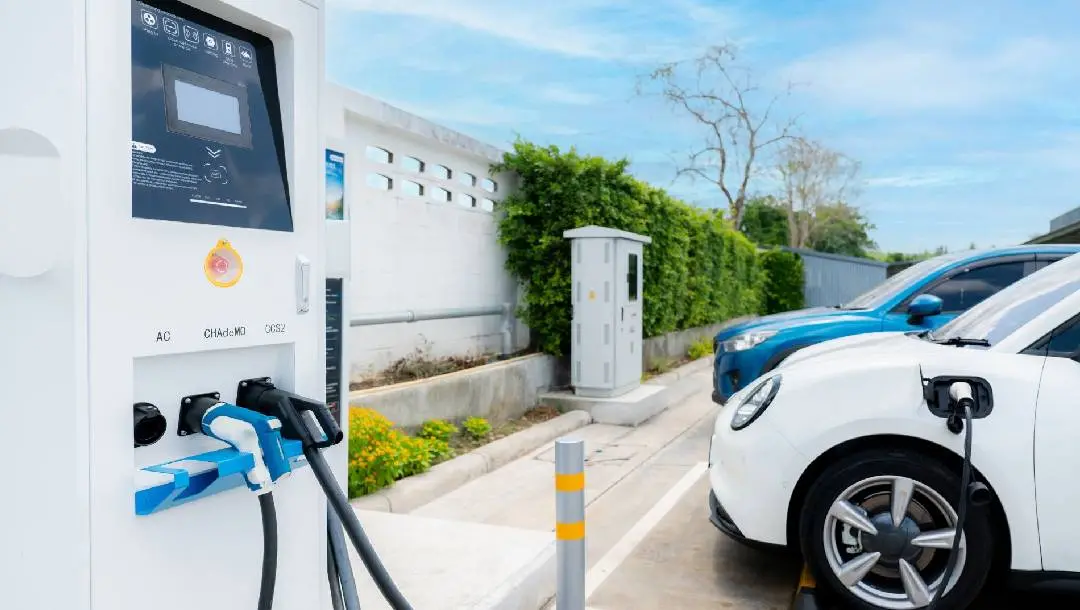
The Government of India has unveiled operational guidelines to facilitate the installation of 72,300 public electric vehicle (EV) charging stations nationwide under the PM E-DRIVE initiative. The scheme is designed to fast-track the development of EV infrastructure across urban and transport hubs with a structured subsidy mechanism, the Ministry of Heavy Industries announced.
100% subsidy for government and institutional sites
According to the guidelines, government offices, educational institutions, hospitals and residential colonies will receive a 100% subsidy for both upstream infrastructure and EV charging equipment, provided the installed stations remain freely accessible to the public.
70–80% support for high-traffic public spaces
Busy public spaces such as airports, metro stations, bus terminals, railway stations, municipal parking areas and state-run fuel stations are eligible for an 80% subsidy on upstream infrastructure and 70% on EV chargers. Similarly, shopping malls, roadside facilities and markets along expressways also qualify for 80% infrastructure support.
Support for battery swapping and general charging locations
Battery swapping or EV charging stations located at any site will also receive 80% funding toward upstream infrastructure costs, encouraging flexible deployment in both urban and rural areas.
Implementation strategy and project oversight
The scheme requires eligible government agencies to designate nodal bodies responsible for identifying priority locations, aggregating demand and submitting proposals through a centralised digital portal. Bharat Heavy Electricals Ltd (BHEL) will act as the Project Implementation Agency (PIA) and supervise the rollout.
The financial support will be disbursed in two phases, contingent on performance and compliance milestones.
Focus on urban centres and high-density corridors
The programme places emphasis on cities with over one million residents, state capitals, smart cities, satellite towns linked to metro systems and densely trafficked transport corridors, aiming to maximise accessibility and utility.