India tests first hydrogen-powered train coach at ICF Chennai, minister calls it ‘future-ready’ | WATCH
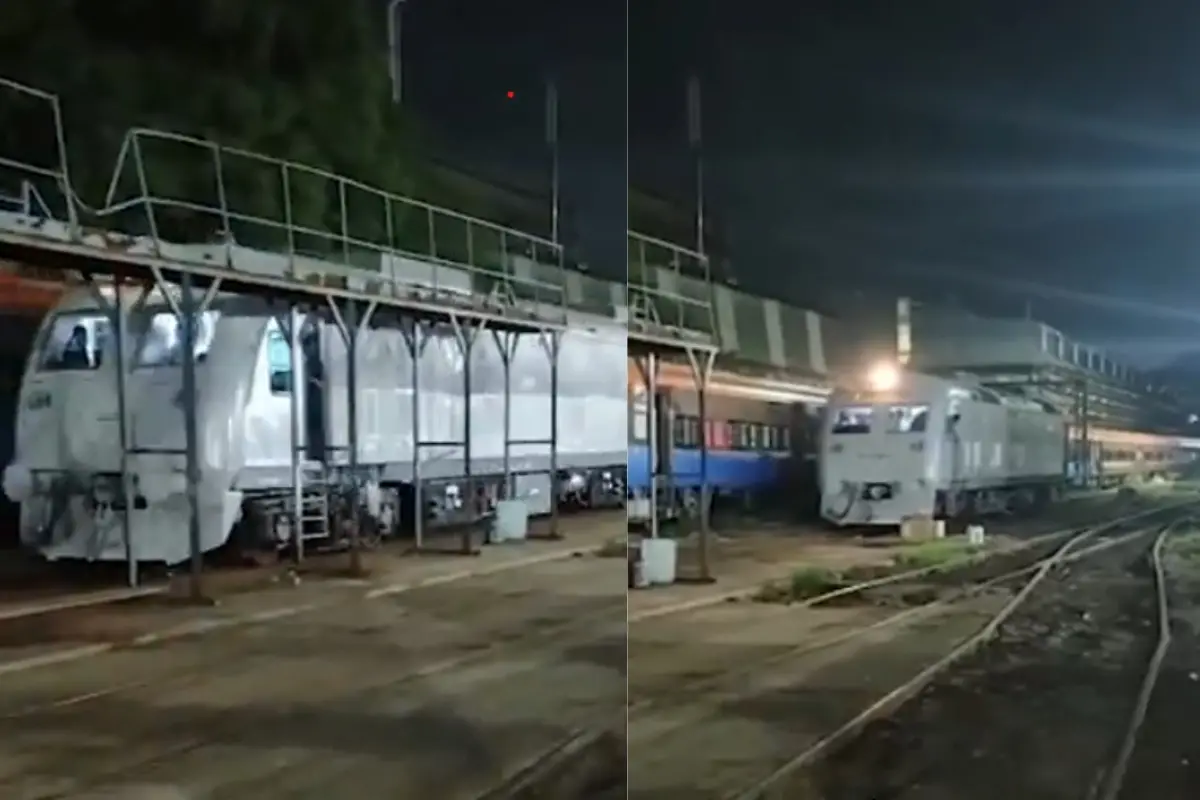
Chennai: India has successfully tested its first hydrogen-powered train coach—touted as the most powerful of its kind in the world—at the Integral Coach Factory (ICF) in Chennai.
Railway Minister Ashwini Vaishnaw posted a video of the trial on X (formerly Twitter), calling it a landmark moment towards building a “future-ready and sustainable India.”
The coach, also known as the Driving Power Car, is powered by a 1,200 horsepower hydrogen fuel engine, making it more than twice as powerful as most European hydrogen trains, which typically operate between 500 and 600 HP. Developed under the ₹2,800 crore ‘Hydrogen for Heritage’ programme, the coach is the first step in India’s ambitious green rail initiative.
What is hydrogen-powered train coach?
A hydrogen-powered train coach is a rail vehicle that runs using electricity generated from hydrogen fuel cells, rather than traditional diesel engines or overhead electric lines. In this system, hydrogen gas stored onboard reacts with oxygen from the air inside a fuel cell, producing electricity to drive the train’s motors.
The only by-product of this reaction is water vapour, making it an environmentally friendly, zero-emission alternative. These coaches are particularly valuable for routes where electrification is not feasible, such as remote or hilly terrains. India’s development of a 1,200 horsepower hydrogen coach—the most powerful of its kind globally—marks a major leap in green mobility and reflects the country’s commitment to sustainable, future-ready transport infrastructure.
While the successful test marks a milestone in India’s decarbonisation strategy, Indian Railways officials have confirmed that the planned commercial launch of the hydrogen train on the Kalka–Shimla heritage route—initially scheduled for December 2024—is likely to be further delayed. According to media reports, senior officials had cited the need for further technical optimisation, particularly in adapting the hydrogen fuel cell system for hilly terrain and high load-bearing conditions.
The train was undergoing trials on the Jind–Sonipat route in Haryana last year. The current configuration includes one passenger coach and two coaches dedicated to hydrogen storage. The train is capable of speeds up to 110 km/h and can carry 2,638 passengers.
An 8-coach version—expected to become the world’s longest hydrogen-powered passenger train—is also in development. Officials say this model will support India’s wider objective of achieving net-zero emissions by 2070, while simultaneously reducing diesel use on non-electrified routes, particularly in ecologically sensitive zones.
To support infrastructure for hydrogen-powered rail, the government has allocated ₹600 crore towards fuelling and safety facilities.
The ICF-developed hydrogen coach not only reinforces India’s domestic manufacturing capabilities under the ‘Make in India’ initiative, but also signals the country’s aspiration to lead globally in green transport solutions.