45 years later, India sends peacocks to UN again; who gifted them last time? | VIDEO
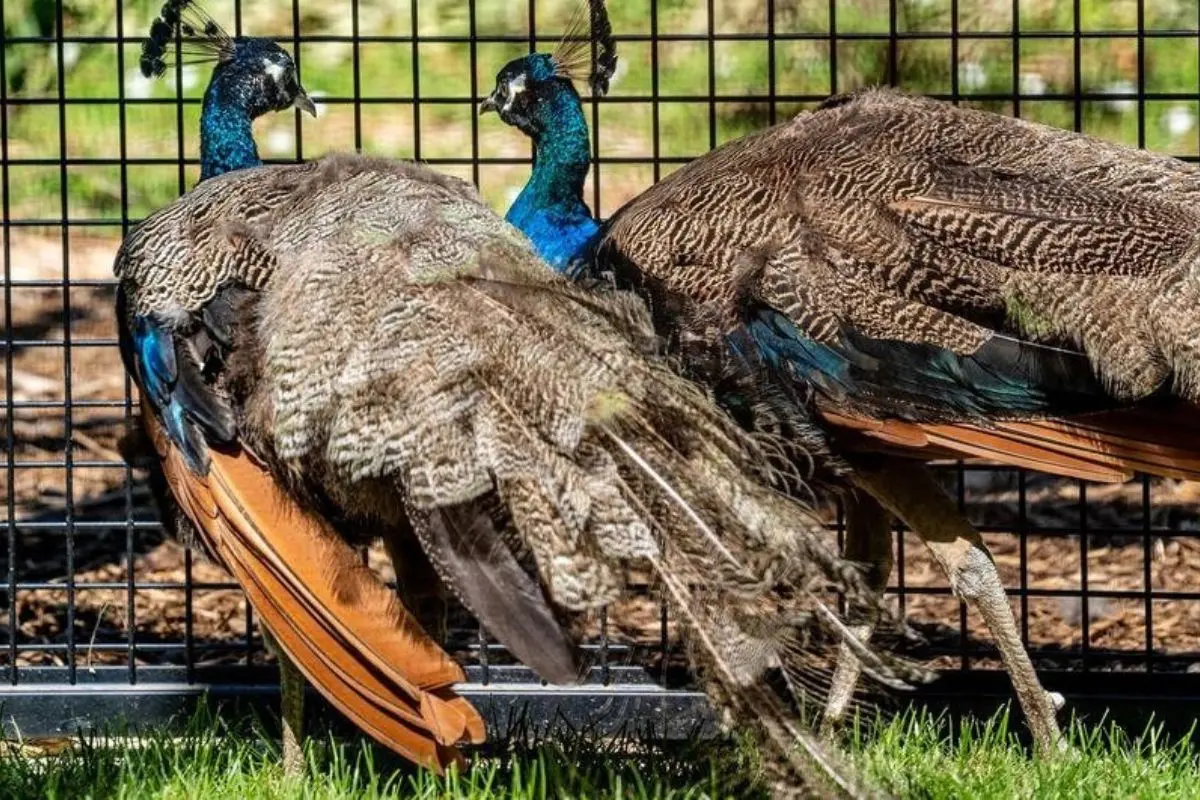
Geneva: India has gifted five Indian peacocks to the United Nations Office at Geneva (UNOG), reviving a decades-old tradition nearly 45 years after the country last made such a donation.
The five young peacocks — four blue peafowl and a rare white-feathered male — were formally handed over to UNOG Director-General Tatiana Valovaya by India's Permanent Representative to the UN in Geneva, Arindam Bagchi, at a special ceremony on Friday.
The birds were chosen to reflect the blue and white colours associated with the United Nations. The donation marks only the second time India has presented peacocks to UNOG.
When was the first donation?
The first donation came in 1981, when then Prime Minister Indira Gandhi sent a breeding pair of peacocks from the Delhi Zoo.
The latest gesture is aimed at highlighting India's natural heritage and its commitment to biodiversity conservation, environmental stewardship and multilateral cooperation.
"It's really a dream habitat for them," said Tobias Blaha, Director of Geneva Bioparc zoo, which will oversee the care of the birds along with UN staff.
Where are the peacocks being taken?
The peacocks will initially be kept in an enclosed habitat for about three months before being allowed to roam freely in Ariana Park, where the UN's European headquarters is located.
Spread across 46 hectares, Ariana Park is among Geneva's largest and most prominent parks. Peacocks have been part of the park for more than a century, with the tradition predating both the League of Nations and the United Nations.
Peacocks and Gustave Revilliod
The tradition is linked to Swiss archaeologist and art collector Gustave Revilliod, who bequeathed the estate to the City of Geneva in 1890. Most of the peacocks currently seen in the park were donated by a Japanese zoo in 1997.
India's latest donation adds to the biodiversity of the UN premises while highlighting the country's cultural and natural heritage. The Indian mission said the gesture also reflected India's longstanding partnership with the UN and its commitment to multilateralism and international cooperation.