India reacts to US Russia sanctions bill, says energy security remains priority
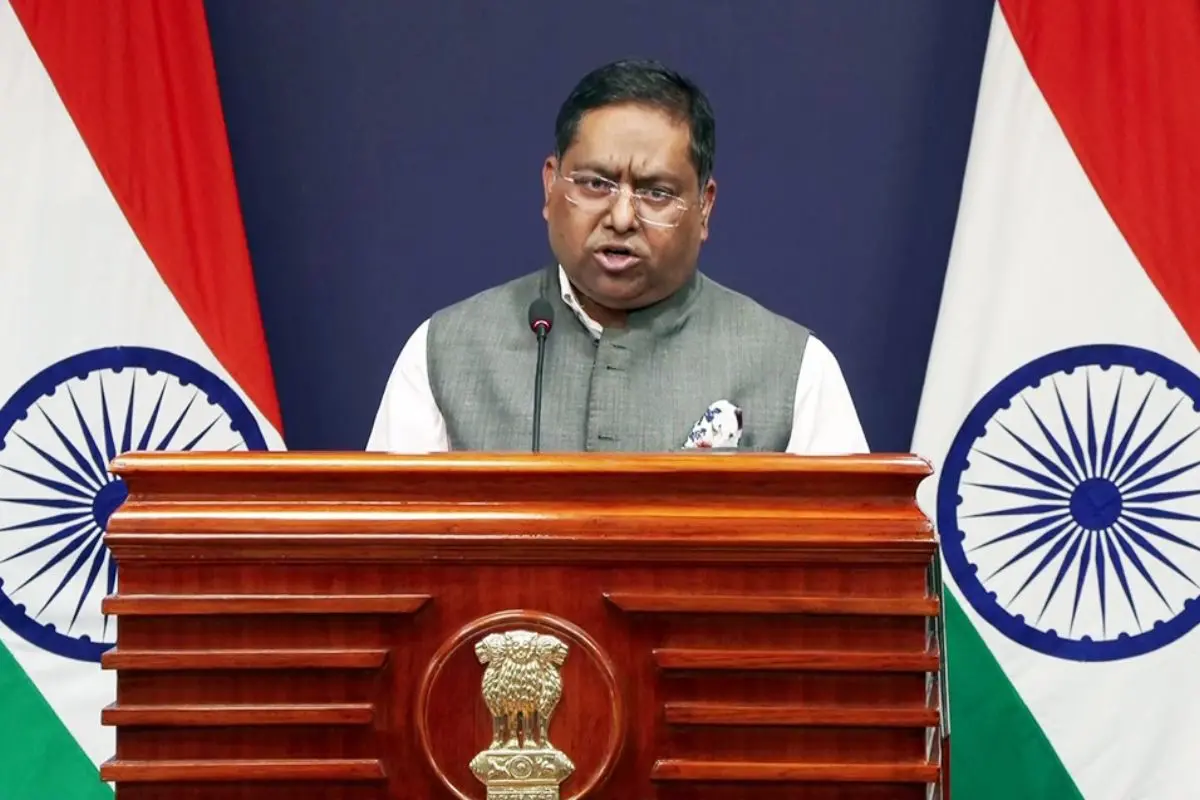
New Delhi: India has said it remains committed to ensuring energy security through diversified sourcing after the US House of Representatives passed legislation that gives the US president authority to impose steep tariffs on major purchasers of Russian oil and gas.
The Ministry of External Affairs said India has already raised the possible implications for bilateral ties and global energy markets with US officials.
What India said after the US bill passed
The Ministry of External Affairs said on Thursday that India would continue to prioritise energy security for its 1.4 billion people.
"As stated on several earlier occasions, India remains firmly committed to ensuring energy security for its 1.4 billion people," the MEA said.
The ministry added that India would continue to pursue this through diversified energy sourcing and according to changing market conditions.
The MEA said the issue had been discussed at senior levels with US interlocutors in recent months. According to the ministry, India had clearly conveyed its concerns about the potential consequences for both the India-US relationship and international energy markets.
India also said it would take necessary steps to protect its trade and economic interests and work with Indian trade and industry bodies to address the possible consequences of the US legislation.
What has happened in the US?
The US House of Representatives passed the Lindsey O. Graham Sanctioning Russia and Iran Act of 2026 by 262 votes to 159 on September 16.
The Senate had already passed the legislation by an 86-11 vote on August 7. The House passage sends the measure to the White House.
The legislation is aimed at increasing pressure on Russia over its war in Ukraine. It includes measures targeting Russian officials, financial institutions and vessels associated with Russia's energy trade.
A major provision would give the US president authority to impose tariffs of up to 100% on imports from major purchasers of Russian petroleum or natural gas under specified conditions. India and China are among the countries affected by the measure because of their purchases of Russian energy.
Does the bill mean India will immediately face a 100% tariff?
No. The House passage itself does not impose a 100% tariff on Indian goods.
Instead, the legislation creates a legal mechanism under which the US president could impose tariffs of up to 100% on countries that continue to purchase Russian energy, subject to the provisions of the legislation.
Therefore, the development creates a potential tariff risk for Indian exports to the US, rather than an immediate 100% tariff.
Why is India affected?
India has remained a major buyer of Russian crude oil, particularly since Western sanctions and disruptions to global energy markets following Russia's invasion of Ukraine changed the international oil trade.
The US legislation is designed to put pressure on countries that continue to purchase Russian energy by creating the possibility of tariffs on their exports to the US.
India's position is that energy purchases are linked to the country's requirement for secure and affordable supplies and that its sourcing decisions will continue to evolve according to market conditions.
The MEA has now reiterated that diversification will remain part of India's approach to energy security.
What could the legislation mean for India-US trade?
If the tariff authority is subsequently used against India, Indian exporters could face higher costs when selling goods in the US market.
The actual impact would depend on whether the authority is invoked, the level of tariffs imposed, the products covered and any exemptions or other conditions applied.
The legislation therefore introduces uncertainty for businesses involved in India-US trade even though no 100% tariff has been imposed through the House vote itself.
The Indian government has said it will work with trade and industry bodies to assess and respond to the implications.
What about India's energy supplies?
The issue also has implications beyond bilateral trade.
India is one of the world's major energy consumers and relies significantly on imported crude oil. Any disruption to major sources of supply could affect procurement costs, refining economics and the wider energy market.
India's statement that it will continue with diversified sourcing indicates that the government is focusing on maintaining access to energy while monitoring changes in international markets.
The MEA also specifically warned that the issue could have implications for the international energy market, not just India-US relations.
What does the US legislation target?
The legislation goes beyond tariffs on countries purchasing Russian energy. It also contains measures targeting Russian financial institutions, officials and vessels linked to the country's oil trade.
The so-called Russian "shadow fleet" — vessels that Washington says help maintain Russian energy exports despite Western restrictions — is also targeted by the broader sanctions framework.
The package also includes provisions relating to Iran and extends certain existing sanctions measures.
India has already raised concerns with Washington
The MEA said the issue has been discussed at high levels between Indian and US officials over recent months.
India has told US interlocutors about what it sees as potential consequences for bilateral relations and international energy markets. The latest statement therefore represents a continuation of India's earlier engagement with Washington on the issue rather than the first expression of concern.
The ministry said the government would continue monitoring developments and coordinate with Indian industry.
What happens next?
The immediate next step is the legislation's movement to the White House after its passage in both chambers of Congress.
If it becomes law, the tariff provisions would provide the US administration with additional authority. That does not mean the maximum tariff would automatically be applied to India.
Any subsequent US decision on tariffs, including their level and scope, would determine the direct impact on Indian exporters.
For India, the parallel issues will be maintaining energy supplies, assessing the effect on trade and continuing diplomatic discussions with Washington.