Beyond 42 squadrons? India re-evaluating air power needs: Source
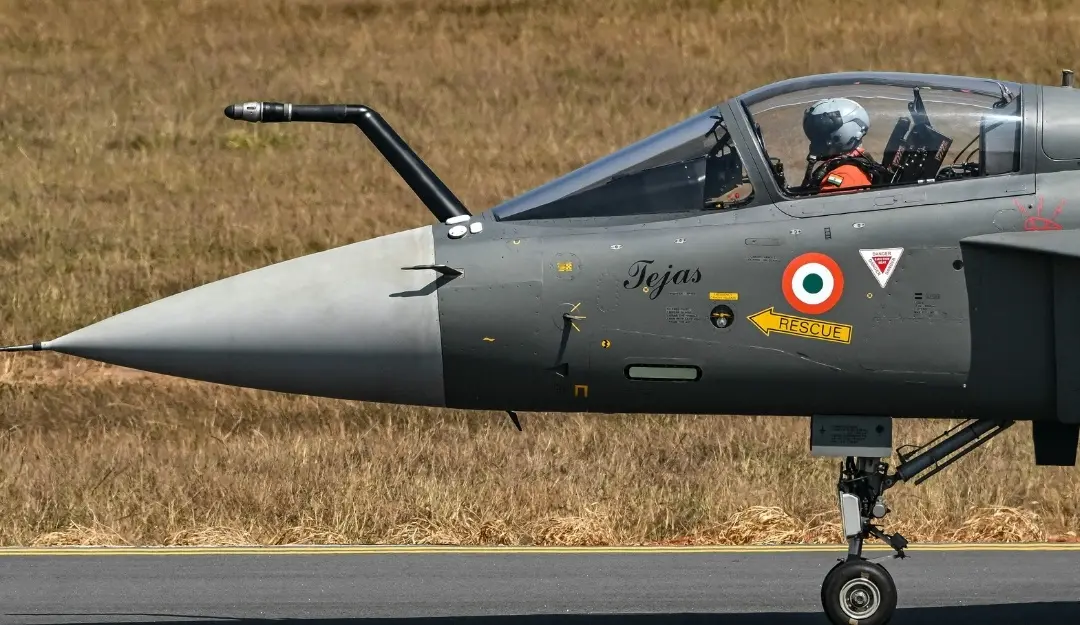
In a significant policy shift, the Indian Air Force (IAF) is expected to increase its fighter jet strength beyond the long-standing mandate of 42 squadrons. This development comes as top defense officials and policymakers reassess the nation's security needs in the face of ongoing geopolitical instability and the complexities of a potential two-front war scenario.
A defence source, speaking to IANS on the condition of anonymity, stated, "Given the situation in the South Asia region and the geopolitical turbulences, top officials and the policy makers believe that the mandated strength of 42 fighter aircraft squadrons is not enough."
Internal reviews suggest a possible 25-35 percent increase in the number of fighter squadrons in the near future. This would mark a substantial boost to the IAF's offensive capabilities.
The discussions to enhance the IAF's strength intensified following "Operation Sindoor," a four-day conflict that concluded four months ago. The skirmish was seen by top Army brass as a live-fire exercise for China to test its military hardware through its ally, Pakistan.
Deputy Chief of the Army Staff, Lt Gen Rahul Singh, highlighted this concern at a recent event in New Delhi, emphasizing that China is using real conflicts as a "live lab" to assess its weapon systems, an issue that "must be taken very seriously."
Each fighter squadron typically consists of 16-18 jets. The proposed increase would require a fresh mandate and formal clearance from the Cabinet Committee on Security (CCS).
Fleet Shortfall and Delays
The decision to increase the mandated strength is especially critical given the IAF's current challenges. The force is grappling with a significant and consistent decline in its fighter squadron count.
Currently, the IAF operates just 31 squadrons. This number is set to drop to 29 on September 26, when the venerable MiG-21 fleet is officially retired. This will bring the total squadron strength to its lowest point in five to six decades.
Adding to these concerns are persistent delays in the delivery of indigenously manufactured fighter jets. Deliveries of the Tejas Mark-1A were initially expected to begin in March of this year, with a target of 16 planes to be delivered annually. However, according to sources, the IAF has yet to receive a single jet from Hindustan Aeronautics Limited (HAL).
Earlier this year, Air Force Chief Amar Preet Singh publicly expressed his displeasure over these consistent delays, flagging the issue as a serious concern for the force's operational readiness.