This little electric aircraft could be a lifesaver if you are stuck in traffic
Imagine skipping hours of road traffic and reaching another city from a small landing site near your home. An innovative aircraft developed by US-based Electra has taken an important step towards making that possibility a reality.
For millions of people, the daily commute is a test of patience. Long traffic jams, crowded roads and unpredictable travel times can turn even a short journey into an exhausting experience. But what if some of those journeys could one day be made through the air, without having to travel all the way to a major airport?
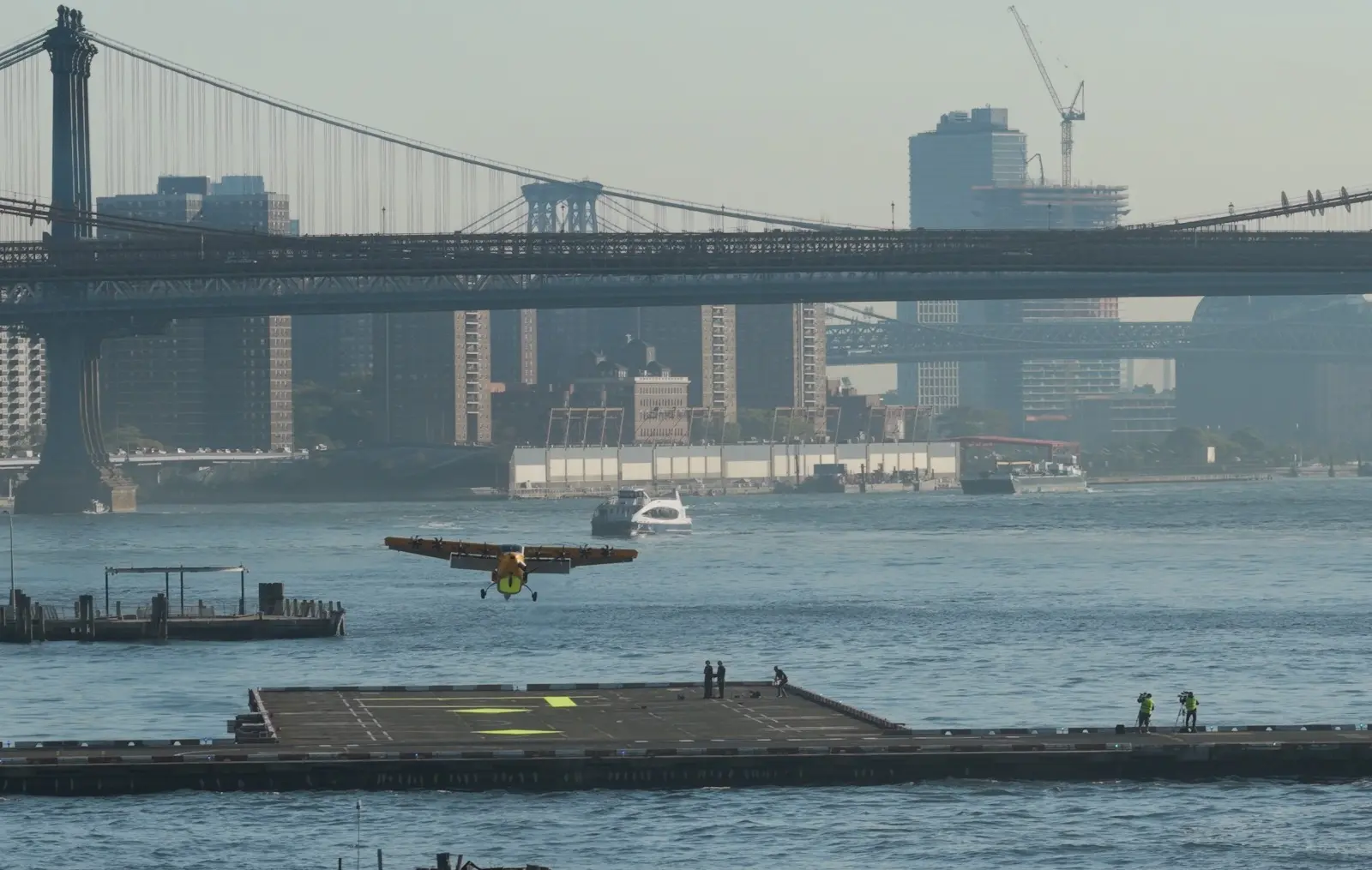
A small hybrid-electric aircraft developed by US aviation company Electra has offered a glimpse of that future. The company's EL2 demonstrator took off and landed at Downtown Skyport, a heliport in Lower Manhattan, New York. The company says it believes this was the first time an aircraft with fixed wings and without vertical take-off capability had landed at the site.
The demonstration is significant because the aircraft does not need a conventional airport runway. Instead, it can operate over an extremely short distance, potentially opening up new possibilities for regional air travel.
From traffic jams to shorter journeys
Electra wants to make flying more accessible by bringing aircraft closer to where people live and work. Its idea, called Direct Aviation, is to connect smaller locations through short regional flights rather than requiring every passenger to travel to a large airport.
Under this concept, existing heliports, small airfields and potentially other suitable sites could become starting points for journeys between cities. Passengers might spend less time travelling to airports and waiting for flights, making the overall journey faster and more convenient.
For example, Electra estimates that its proposed service could save around three hours and 45 minutes on a journey between New York and Boston. The company also estimates savings of three hours and 30 minutes for Washington, DC, and 45 minutes for Philadelphia.
These are company projections, not demonstrated travel-time savings. However, the idea could be encouraging for people who spend a large part of their day navigating crowded roads and congested transport networks.
How can an aircraft fly without a long runway?
The secret lies in a technology called blown lift. In simple terms, the aircraft uses electric-powered propellers to push air over its wings, helping the wings generate enough lift even when the aircraft is moving at a relatively low speed.
Most conventional aeroplanes need to travel along a long runway to build up the speed required for take-off. Electra's design directs airflow over the wings and large flaps, allowing the aircraft to take off and land over a much shorter distance.
The company says its Ultra Short technology can enable take-off and landing in approximately 150 feet, or about 46 metres.
The EL2 demonstrator has eight electric motors and uses a hybrid-electric power system. Unlike an electric air taxi designed to rise vertically like a helicopter, it uses fixed wings and a conventional forward-flight design. Its short take-off capability could allow it to use compact landing areas that would normally be unsuitable for conventional aeroplanes.
A small aircraft with a bigger ambition
The two-seat EL2 is a technology demonstrator. Electra is using it to test and demonstrate the technology that could eventually be used in a larger aircraft.
The company's next major goal is the EL9, a nine-passenger aircraft being developed for commercial operations. Electra is targeting entry into service around 2030, subject to certification and other development requirements.
The proposed EL9 is intended to operate on routes ranging from 50 to 500 miles, connecting communities that may not have convenient access to major airports. Its hybrid-electric powertrain is planned to combine electric motors with a turbogenerator.
If successfully developed and certified, the aircraft could offer a new option for regional passenger travel and cargo transport. However, the commercial aircraft still needs to complete the necessary testing and regulatory approval process before it can begin carrying passengers.
Could this change the way we travel?
Electra's demonstration in Manhattan is part of its effort to show how fixed-wing aircraft could use locations traditionally served by helicopters. The company has also conducted demonstrations at other locations in the United States as it explores the potential of its short take-off and landing technology.
For people frustrated by daily traffic, the idea is certainly appealing: instead of spending hours on the road to reach a distant airport, travellers could one day board a small aircraft from a more convenient location and fly directly towards their destination.
But turning that vision into a regular transport service will take time. Safety certification, operating costs, suitable landing sites, passenger demand and local regulations will all influence whether these services become practical. Even so, the successful demonstration offers a glimpse of a future in which flying may no longer begin only at a large airport. If Electra's technology fulfils its promise, smaller landing sites could become useful links between cities, bringing regional air travel closer to everyday life.
For anyone who has watched the minutes tick away in a traffic jam, that is a future worth looking forward to.