First since 2018: Dharmendra Pradhan's resignation breaks a rare Modi-era pattern
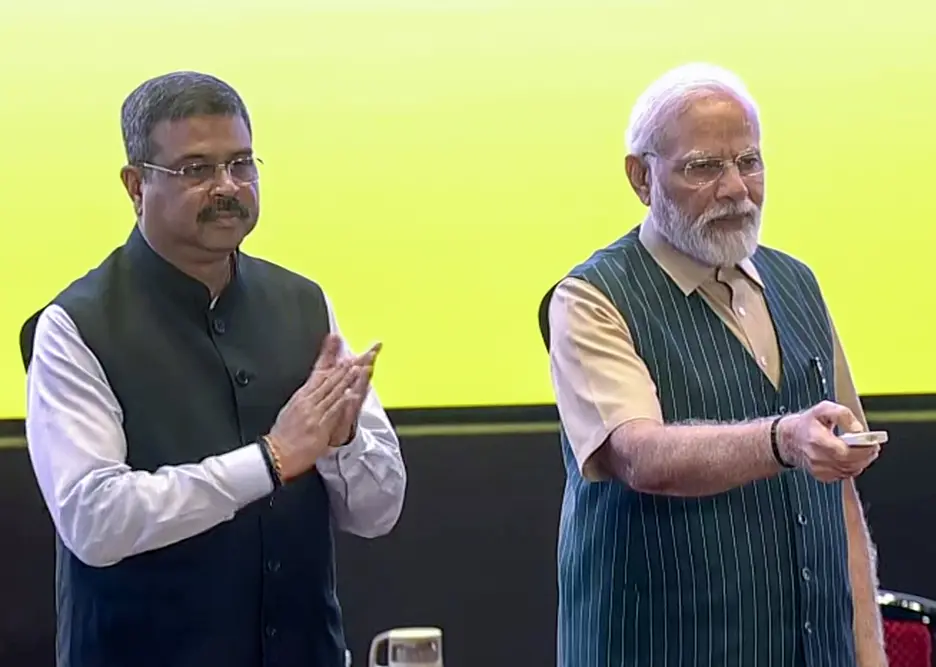
Union Education Minister Dharmendra Pradhan resigned on July 25 following weeks of nationwide protests over alleged examination irregularities, including the NEET paper leak controversy.
His resignation came after sustained demonstrations led by the Cockroach Janta Party (CJP), student organisations and activist Sonam Wangchuk, who undertook a 26-day hunger strike demanding accountability and education reforms.
The CJP had repeatedly stated that negotiations with the Centre would continue only after Pradhan stepped down. Hours before the third round of talks, Pradhan submitted his resignation to Prime Minister Narendra Modi.
In his resignation letter, Pradhan said he had taken responsibility for the examination controversy from the very beginning and did not want the ongoing situation to be exploited by "anti-national forces" or affect students' futures.
First major resignation linked to public protests since 2018
Pradhan's resignation is widely seen as the first major resignation by a Union Cabinet minister following sustained public protests during the Modi government's tenure since 2018.
The last comparable case came in October 2018 when then Minister of State for External Affairs M.J. Akbar resigned after multiple women accused him of sexual harassment during India's #MeToo movement.
Akbar resigned saying he wanted to fight the allegations in his personal capacity. His resignation followed mounting public criticism but was linked to personal misconduct allegations rather than government policy or a nationwide protest movement.
By contrast, Pradhan's resignation followed weeks of organised student protests centred on examination reforms and accountability in the education system.
Other ministers faced pressure but did not resign
Several Union ministers have faced strong demands for resignation during the Modi government's tenure but remained in office.
- Ajay Kumar Mishra Teni
In 2021, opposition parties demanded the resignation of Minister of State for Home Affairs Ajay Kumar Mishra Teni after the Lakhimpur Kheri violence in Uttar Pradesh, where farmers and a journalist were killed after an SUV linked to his family ran over protesters.
Despite sustained political pressure, Mishra remained in office until after the 2024 Lok Sabha elections.
- Suresh Prabhu
In August 2017, Railway Minister Suresh Prabhu offered to resign after a series of train accidents, accepting what he described as "moral responsibility".
Prime Minister Narendra Modi did not immediately accept the resignation. Instead, Prabhu was shifted to the Commerce and Industry Ministry during a later Cabinet reshuffle rather than leaving the government altogether.
The protests that led to Pradhan's exit
The movement began over alleged irregularities in competitive examinations, particularly the NEET-UG paper leak controversy.
Thousands of students joined demonstrations across the country, while the CJP organised a prolonged protest at Jantar Mantar in New Delhi. Sonam Wangchuk's hunger strike further drew national attention to the issue.
The Centre responded by announcing a tougher anti-paper leak law, plans for fast-track courts, a Special Task Force and examination reforms. However, the CJP maintained that Pradhan's resignation remained its primary demand before meaningful negotiations could proceed.
Following Pradhan's resignation, the Centre held talks with CJP leaders and agreed to several demands, including assurances on the withdrawal of cases against protesters, compensation for families of NEET-related suicide victims and future discussions on broader education reforms. The CJP subsequently called off its 36-day agitation.
Why this resignation stands out
Resignations by sitting Union ministers during Prime Minister Modi's tenure have been uncommon, particularly those linked to sustained public movements.
Unlike earlier controversies that generated demands for accountability without resulting in ministers leaving office, Pradhan's exit came after weeks of nationwide protests, repeated negotiations and mounting public pressure over the handling of examination irregularities.
While each resignation occurred under different circumstances, Pradhan's departure is likely to be remembered as one of the most significant political outcomes of a student-led protest movement during the Modi government's tenure.