Fever, dehydration and infections rise at CJP protest amid unresolved standoff
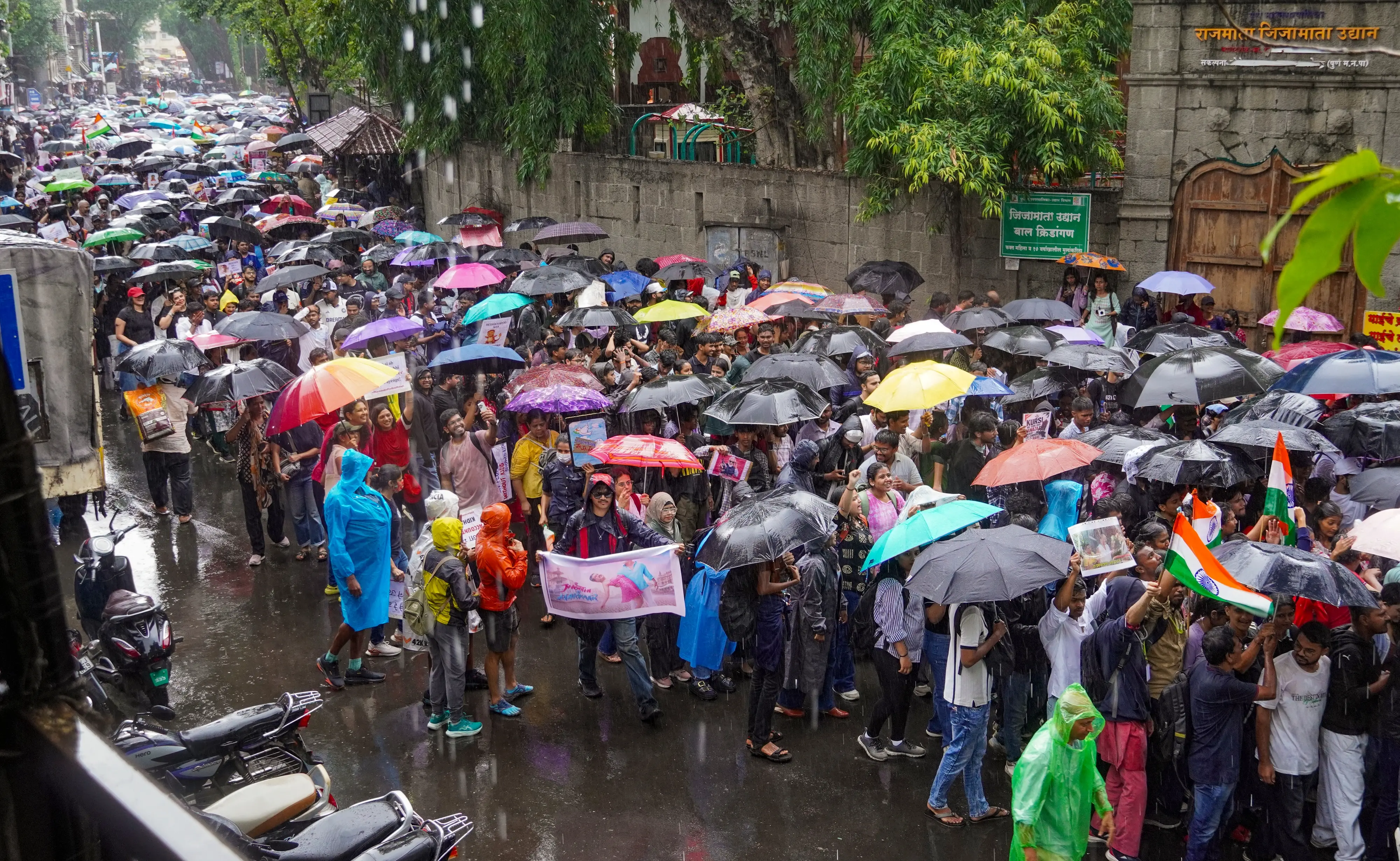
Delhi: As the protest continues over alleged examination irregularities and demands remain unresolved, demonstrators are now facing growing health challenges alongside the ongoing political standoff. Volunteer doctors at Delhi's Jantar Mantar protest say rising temperatures, overcrowding and prolonged outdoor stay are causing an increase in infections, dehydration and injuries among demonstrators.
Health concerns are mounting at the Cockroach Janta Party (CJP) protest site at Delhi's Jantar Mantar, where volunteer doctors say increasing numbers of demonstrators are seeking treatment for viral infections, dehydration, sore throats, headaches and injuries.
Doctors working at the protest site told PTI that continuous exposure to heat, humidity and overcrowded conditions has led to a rise in common illnesses. Many protesters have been staying outdoors for days, sleeping on the ground and facing limited opportunities for proper rest and nutrition.
Doctors report growing number of infections
Dr Shilpa, a volunteer doctor from Punjab's Five River Heart Association, said many protesters have reported symptoms including high fever, sore throat and headaches. According to her, more than 200 people had already received medicines such as paracetamol by Wednesday evening.
She also said elderly protesters were seeking treatment for existing conditions such as diabetes and high blood pressure after losing or running out of their regular medicines during the demonstrations.
Another volunteer doctor said close contact among large crowds was increasing the spread of viral infections through coughing and sneezing. Medical teams remain stationed at the protest site throughout the day, providing antibiotics, painkillers, oral rehydration salts (ORS), wound care, cough medicines and essential drugs for chronic illnesses.
Dehydration and poor nutrition adding to health risks
Doctors said many protesters were skipping meals or eating irregularly, leading to dehydration, nausea and vomiting. Volunteers have been distributing food and ORS packets to help prevent heat-related illnesses.
Medical teams have also received support from doctors at nearby medical colleges, who have been volunteering after completing their regular hospital duties. Citizens have donated medicines, bandages and first-aid supplies to support the healthcare effort.
Sprains and untreated injuries continue to emerge
Apart from illnesses, doctors reported a steady flow of protesters with sprains, twisted ankles and infected wounds.
Dr Shilpa said some injuries occurred when crowds rushed during police action or while trying to move away from barricades. She also said several protesters who were injured during the July 20 march did not seek immediate medical treatment, allowing some wounds to become infected over time.
One protester, Roshanara, said she received treatment after spraining her ankle, while 64-year-old Anand Srivastava was treated for high blood pressure after feeling unwell at the protest site.
Background
The CJP protest at Jantar Mantar began over alleged irregularities in national-level examinations, including the NEET paper leak controversy. Protesters have demanded the resignation of Union Education Minister Dharmendra Pradhan, action against those responsible for examination irregularities, and broader reforms to the examination system.
As the protest continues, volunteer medical teams remain on-site to provide treatment and monitor the health of demonstrators facing prolonged exposure to difficult weather conditions.