Why Aadhaar is no longer valid as date of birth proof, UIDAI clarifies
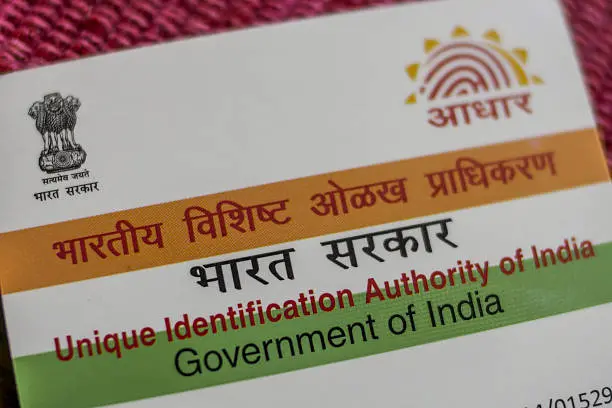
The Unique Identification Authority of India (UIDAI) has issued a clarification stating that Aadhaar will no longer be accepted as proof of date of birth (DOB). The document will now be used strictly as an identity and address proof.
This clarification is aimed at removing confusion over the use of Aadhaar in official verification processes.
Why Aadhaar is not valid for DOB verification
UIDAI explained that the date of birth recorded in Aadhaar is often based on self-declaration, especially in cases where individuals do not possess formal documents at the time of enrolment.
In such situations, the DOB may be approximate or unverified, reducing its reliability as official proof.
Courts and government departments have also previously observed that Aadhaar should not be treated as conclusive evidence of birth date.
Accepted documents for date of birth proof
UIDAI has clarified that individuals must now use officially verified documents for DOB proof, including:
- Class 10 marksheet
- Passport
- Birth certificate issued by competent authority
These documents are considered legally valid and independently verified records of birth.
Aadhaar remains valid for identity use
UIDAI has reiterated that Aadhaar continues to be a key identity document linked to government services, bank accounts, LPG subsidies, and other welfare schemes.
However, its scope is limited to identity authentication and address verification only.
The Aadhaar Act, 2016 does not explicitly recognise Aadhaar as proof of date of birth, reinforcing this clarification.
What this means for users
This update means individuals who previously used Aadhaar as DOB proof for admissions, government services, or verification processes will now need to submit alternative documents.
Authorities have emphasised that this is not a new policy change, but a clarification of existing rules to ensure uniform implementation across institutions.