432 Himalayan glacial lakes pose threat of destructive flood: CWC
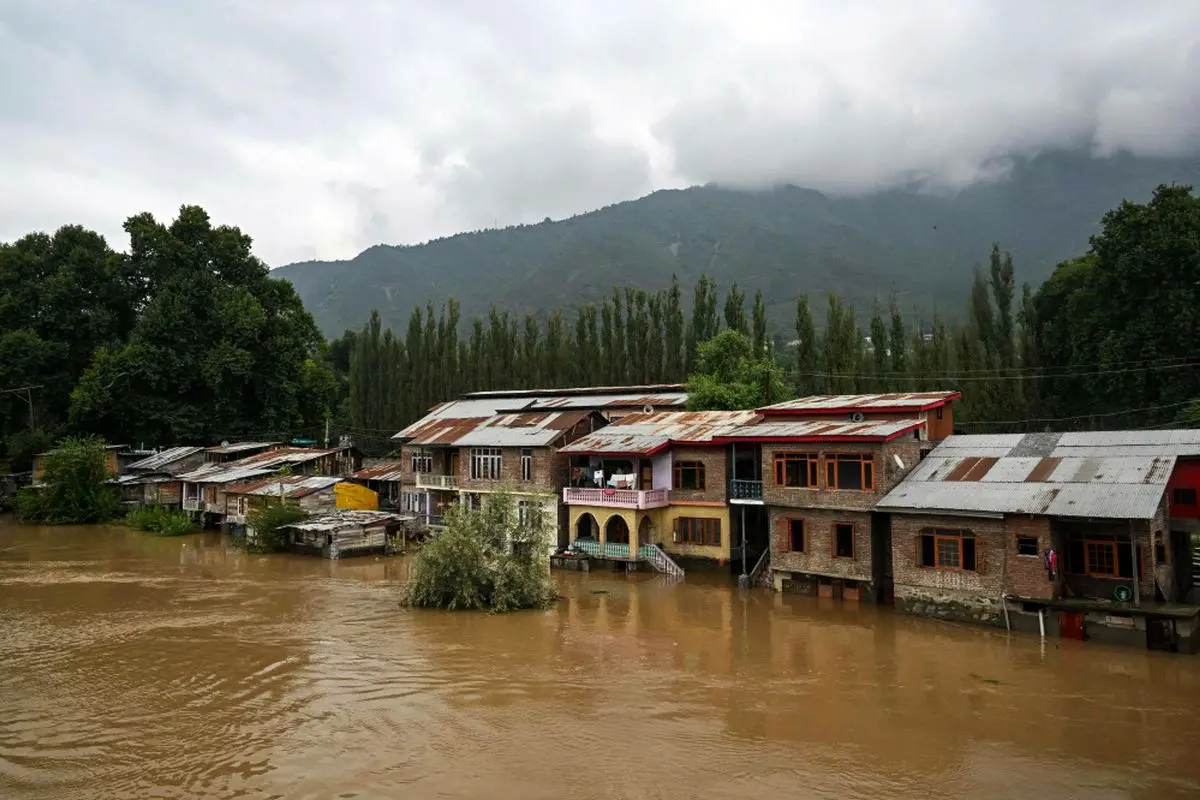
In a stark warning about the impacts of climate change, a recent report from the Central Water Commission (CWC) has identified over 400 glacial lakes in India that are expanding and require urgent monitoring due to the potential for destructive flooding.
According to the CWC's monthly monitoring report for June 2025, 432 glacial lakes across Ladakh, Jammu and Kashmir, Himachal Pradesh, Uttarakhand, Sikkim, and Arunachal Pradesh have been flagged for "vigorous monitoring." The findings come as several states in the country, including Himachal Pradesh and Punjab, are grappling with widespread floods and landslides.
Alarming Expansion Trends
The report reveals that the total area of glacial lakes within India has grown by more than 30 per cent since 2011, increasing from 1,917 hectares to 2,508 hectares as of June 2025. Across the entire Himalayan region, the CWC monitored 1,435 glacial lakes that showed an increase in area during the same period.
Arunachal Pradesh has the highest number of expanding lakes within India with 197, followed by Ladakh (120), Jammu and Kashmir (57), Sikkim (47), Himachal Pradesh (6), and Uttarakhand (5). The CWC report directly links this expansion to "the adverse effects of climate change" in the region.
Call for Coordinated Action
Amid the ongoing disasters, including landslides in Himachal Pradesh and Uttarakhand and a prolonged suspension of the Mata Vaishno Devi pilgrimage in Jammu and Kashmir, the CWC stressed the need for immediate preparedness.
The report recommends the installation of real-time monitoring and early-warning systems for downstream communities. It also calls for closer coordination between the Ministry of Jal Shakti, the National Disaster Management Authority (NDMA), and state disaster management authorities.
The CWC further highlighted the need for transboundary cooperation with neighboring countries like Nepal, Bhutan, and China, as many of the expanding lakes are located across borders but feed into Indian rivers. The findings underscore the growing threat posed by these dynamic water bodies to lives and infrastructure in the Himalayan region.