The tigress whose funeral pyre was built by fans – A true celebrity and supermom
Who could ever forget Mowgli from ‘The Jungle Book’? The child raised by wolves in the wild, who ultimately defeats the ruthless tiger, Shere Khan. This timeless tale, passed down through generations, has been retold in comics, animation and cinema. Rudyard Kipling, who was born and raised in India, is believed to have drawn inspiration for The Jungle Book from the Pench Tiger Reserve in Madhya Pradesh.
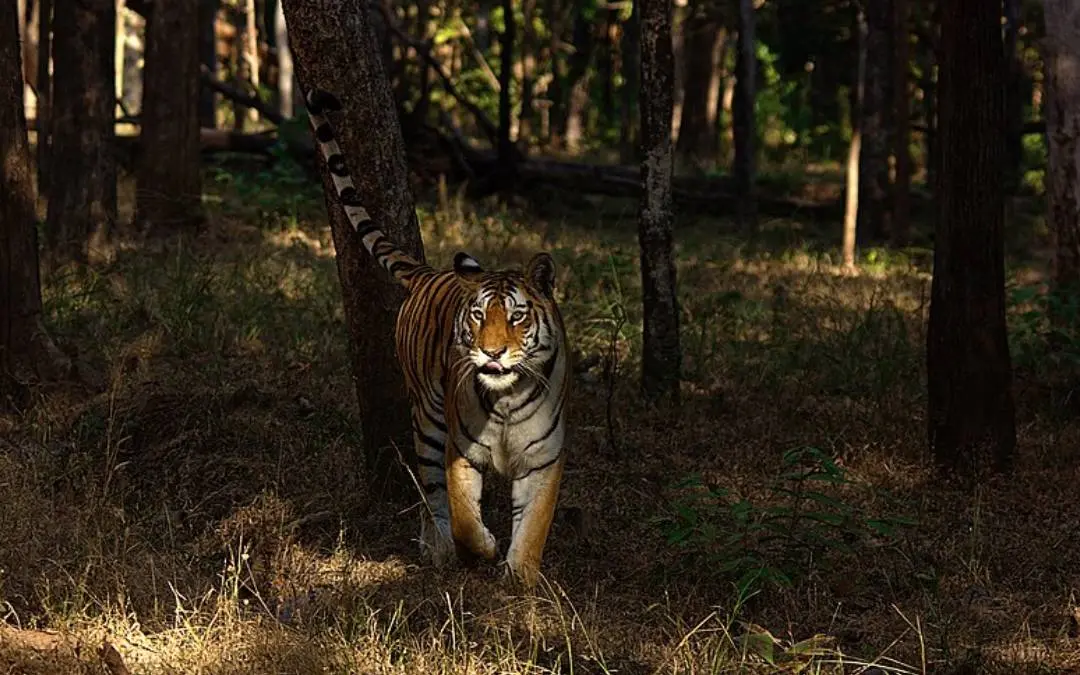
And in this very jungle, there reigned a true queen—T-15, better known as Collarwali. With her powerful frame and commanding presence, many mistook her for a male tiger at first glance.
She was born to the mighty Badi Maa, a legendary tigress in her own right. But it was Collarwali who became a celebrity, a name whispered with awe in India's forests. She was unafraid of the camera and often posed effortlessly for visitors. Her name came from the radio collar she wore—marking her as the first tiger in the Pench reserve to be tracked this way.
But what truly set Collarwali apart was her legacy. She gave birth an astonishing 29 times, and 25 of her cubs survived—a record not just in India but possibly the entire world. Her contribution to maintaining the balance of the wild was unparalleled. Unlike most tigresses, who care for their cubs for about two years, Collarwali let them fend for themselves in just one and a half years, pushing them to adapt to the ways of the jungle much faster. One of her cubs, T-16, was later relocated to Panna Tiger Reserve at a time when tiger numbers there had plummeted. T-16 thrived, restoring the ecosystem of his new home.
In 2022, at the age of 16, Collarwali took her final breath. Age had caught up with her—her once-mighty frame had weakened, and even walking had become a struggle. But she was not forgotten. The forest staff, nature lovers and local villagers came together to bid her a hero’s farewell, lighting a grand funeral pyre to honour the queen of Pench.
Collarwali was not just a tigress—she was a legend. And legends, as we know, never truly die.