WhatsApp, Telegram and a Kerala hostel: CBI traces NEET-UG 2026 leak trail
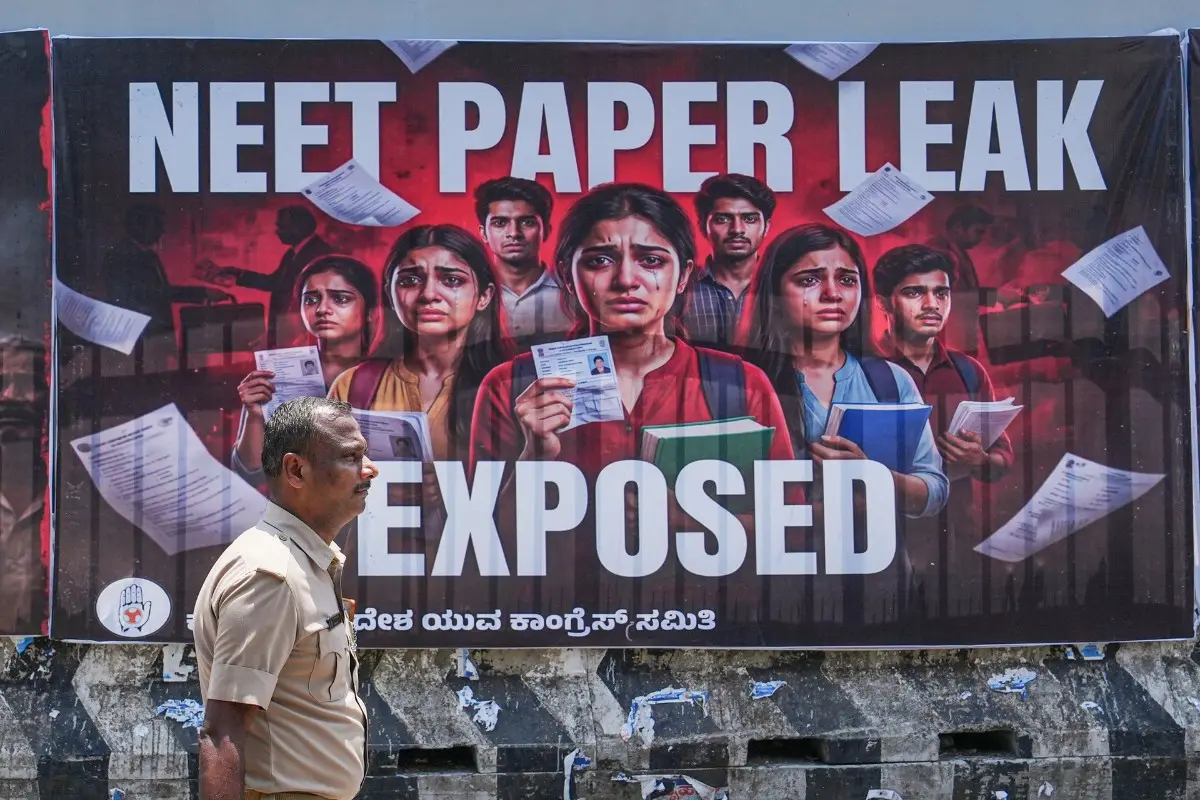
The investigation into the NEET-UG 2026 paper leak has revealed a digital trail stretching from the national capital to a private medical college hostel in Kerala. Central Bureau of Investigation (CBI) officials have tracked how leaked question papers moved across state lines through WhatsApp and Telegram, reaching students in Adoor (Pathanamthitta) just hours before the examination began.
The Sikar-Kerala Digital Link
The Kerala connection surfaced at the hostel of a private medical college, where a first-year MBBS student allegedly received leaked PDFs from his roommate. This roommate, originally from Jhunjhunu, was a former student at a coaching institute in Sikar, Rajasthan.
The spread of the papers was facilitated by a chain of middlemen who demanded quick payments via digital platforms. In one instance, a transaction of Rs 30,000 was made through PhonePe to secure the solved question-and-answer sets.
These documents, containing nearly 450 solved questions, were reportedly delivered to candidates on the eve of the exam. Investigators found that the Sikar-based RK Educational Consultancy served as a hub, where employees forwarded the files to contacts who then funnelled them down to the southern state. It was a fast-moving digital operation.
Institutional Lapses and Expert Breach
At the source of this massive leak were three Pune-based subject experts appointed by the National Testing Agency (NTA). The CBI has highlighted significant security failures within the NTA's own headquarters during the paper-setting process.
"The CBI has found that paper setting, translations and back translation were done in the NTA building in Okhla in a sanitised environment where several lapses were identified," which the accused exploited to smuggle out questions.
By using small handwritten notes or simply memorising sections of the exam, these experts allegedly reconstructed the papers once they returned to their hotel rooms. One expert reportedly used his access to the chemistry section to smuggle out chits, while others marked specific paragraphs in textbooks to recreate the questions later.
Forensic Evidence and Private Coaching
The CBI's case is built on a massive collection of digital forensic data. To prove the conspiracy, the agency used a residential society's visitor app in Pune to track who was entering the homes of the accused experts.
"The Central Bureau of Investigation (CBI) used the records to corroborate the presence of students and their parents in the society in April, days before NEET-UG 2026 took place on May 3," according to the charge sheet.
This data, combined with mobile phone location analysis, confirmed that the experts were illegally conducting coaching sessions using the leaked material. The agency even used biometrics from the society's app to identify students who had visited for these secret classes.
This meticulous tracking of digital footprints has allowed investigators to link the procedural gaps in Delhi to the beneficiaries in Kerala.