'We're scared, but we still have to travel': Mumbai commuters react to Mayank Lohar's murder
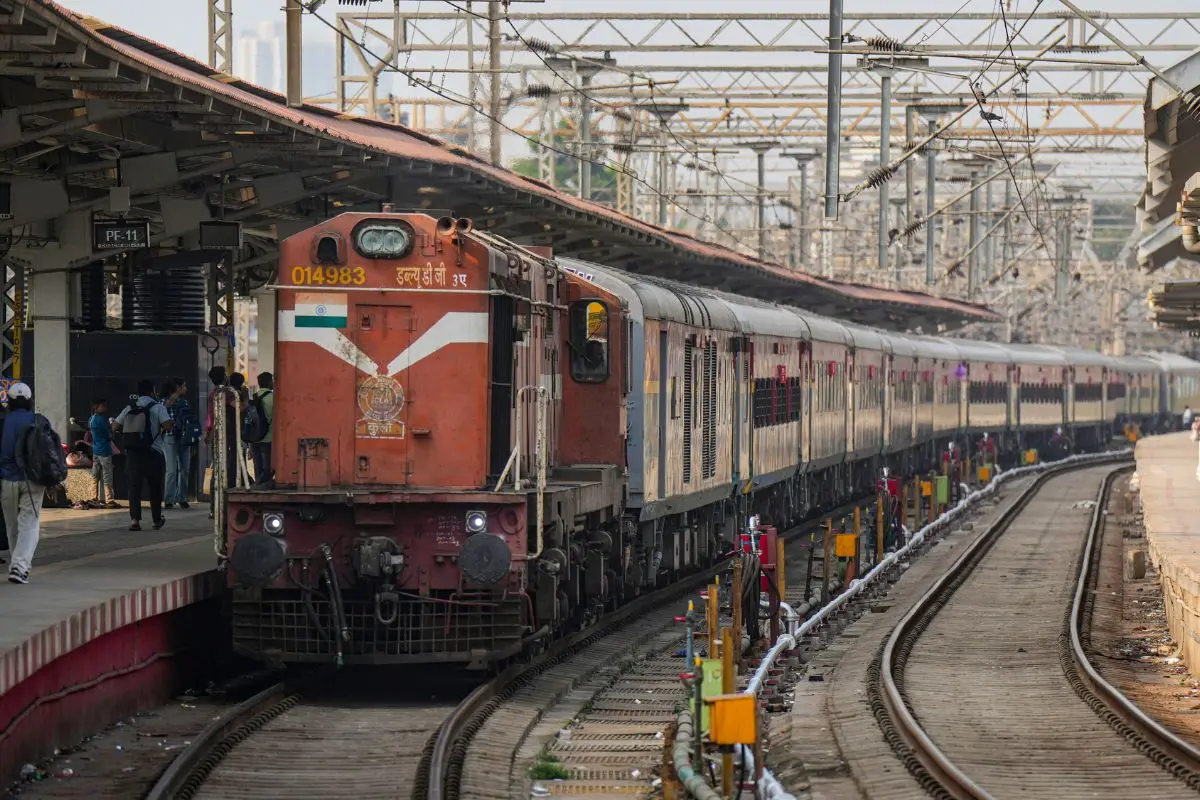
The fatal stabbing of 22-year-old Mayank Lohar inside a first-class compartment of a Mumbai local train has done more than shock the city: It has reignited a larger debate over whether Mumbai's suburban railway network is keeping pace with the safety expectations of the millions who depend on it every day.
While police tracked down and arrested the accused within hours using an extensive CCTV network, the incident has shifted public attention from the crime itself to questions over security inside the city's lifeline.
Concerns over weapon screening, baggage checks, emergency preparedness, and the lack of a visible security presence inside train coaches have dominated conversations since the attack.
To understand how the tragedy has affected public confidence, Mathrubhumi.com spoke to Mumbaikars and people who have made Mumbai their home while relying on the city's local trains every day.
Their responses paint a picture of a city divided between fear, frustration, and hope that the incident will finally push authorities to strengthen commuter safety.
For Vijay Sartape, 45, from Bhandup, the tragedy is about more than security. He believes it reflects a growing lack of empathy in a city once known for people helping strangers.
The incident has left him thinking twice before boarding a local train again, and he believes deploying security personnel inside every coach could help prevent similar attacks.
That concern is echoed by Shrinivas Kodape, 29, from Goregaon East, who says Lohar's death has turned what was once a routine commute into a source of anxiety.
‘I believe commuters are tired of safety becoming a priority only after lives are lost and want a constant security presence inside coaches, particularly during late-night services,’ he added.
Others believe the tragedy should serve as a reminder that commuter safety cannot be taken for granted.
Priyanka Mondal, 30, from Kalina, Santacruz (East), says stronger security inside trains and stations is essential to reassure passengers, while Vishal Shukla, 30, from Asalpha, argues that visible security personnel and long-pending infrastructure upgrades are basic necessities for a transport network used by millions every day.
Several commuters said what makes the incident especially disturbing is how ordinary it appears to have begun.
For Vikramjit Kundu, 31, who has lived in Andheri for the past three years, the fact that a routine disagreement between passengers reportedly escalated into fatal violence has fundamentally changed how many people look at their daily commute.
Siddhesh Nair, 32, from Vasai in Mumbai Suburbs, agrees. He says disagreements over seats, standing space, or train doors are common on Mumbai locals, but no one expects them to end in murder.
While the incident has shaken him, 32-year-old Siddhesh Nair from Vasai says he will continue using local trains because they remain the city's lifeline. ‘However, I believe better surveillance, stronger security, and quicker intervention can restore commuter confidence,’ he added.
For some, however, the tragedy highlighted problems they encounter every single day. Sankalan, is a Navi Mumbai-based music industry professional who frequently travels by local train.
‘I have little choice but to continue commuting despite believing security at stations and inside coaches is inadequate. Over the past year, I have witnessed several disputes, some escalating into physical fights, while fellow commuters simply looked away. Drunken passengers seeking confrontations, harassment of women in crowded compartments, and disruptive groups are common sights. Even my colleague narrowly escaped an attempted mugging near Koparkhairane railway station after a passerby intervened,’ he said.
The incident has also changed how some passengers perceive their own safety. Kanchan Chhabria, a content creator who frequently travels by Mumbai local trains for work, says the attack shattered her belief that first-class coaches are any safer than general compartments.
As a mother of a toddler, she now thinks twice before boarding a train and believes stringent security measures and stricter action against offenders are urgently needed.
The strongest criticism came from Sandeep Singh, 30, from Thane, who believes the incident exposed systemic failures rather than an isolated lapse. He questions how someone could allegedly board a Mumbai local carrying a large knife without being intercepted and argues that authorities must focus on preventing such incidents instead of reacting after lives are lost.
While agreeing that stronger security is essential, Nikesh Gupta, 30, from Bhayandar, believes responsibility also lies with commuters.
He said, ‘While passengers cannot always be expected to intervene in dangerous situations physically, they should raise an alarm, alert railway authorities and support victims instead of becoming silent spectators.’
Not everyone, however, believes the tragedy reflects the overall safety of Mumbai's suburban railway network.
Joydeep Datta, 33, a strategy and management consulting professional who has lived in Andheri for the past eight years, says the incident has not altered his confidence in Mumbai's local trains.
Pointing out that millions travel on the network every day, he believes one isolated tragedy should not define the entire system. Datta also praises the swift coordination among multiple agencies that led to the accused being identified and arrested within hours, saying it demonstrated law enforcement's capability.
The conversations reflect a city grappling with difficult questions. For many commuters, Lohar's death has exposed long-standing concerns over security, preparedness, and accountability that demand urgent attention.
Others believe the tragedy should not overshadow the railway network's overall safety record.
Yet, regardless of where they stand, the incident has reignited an important conversation about whether Mumbai's lifeline is doing enough to protect the millions who depend on it every day.