The biggest unanswered questions surrounding Diljit Dosanjh's ‘Satluj’
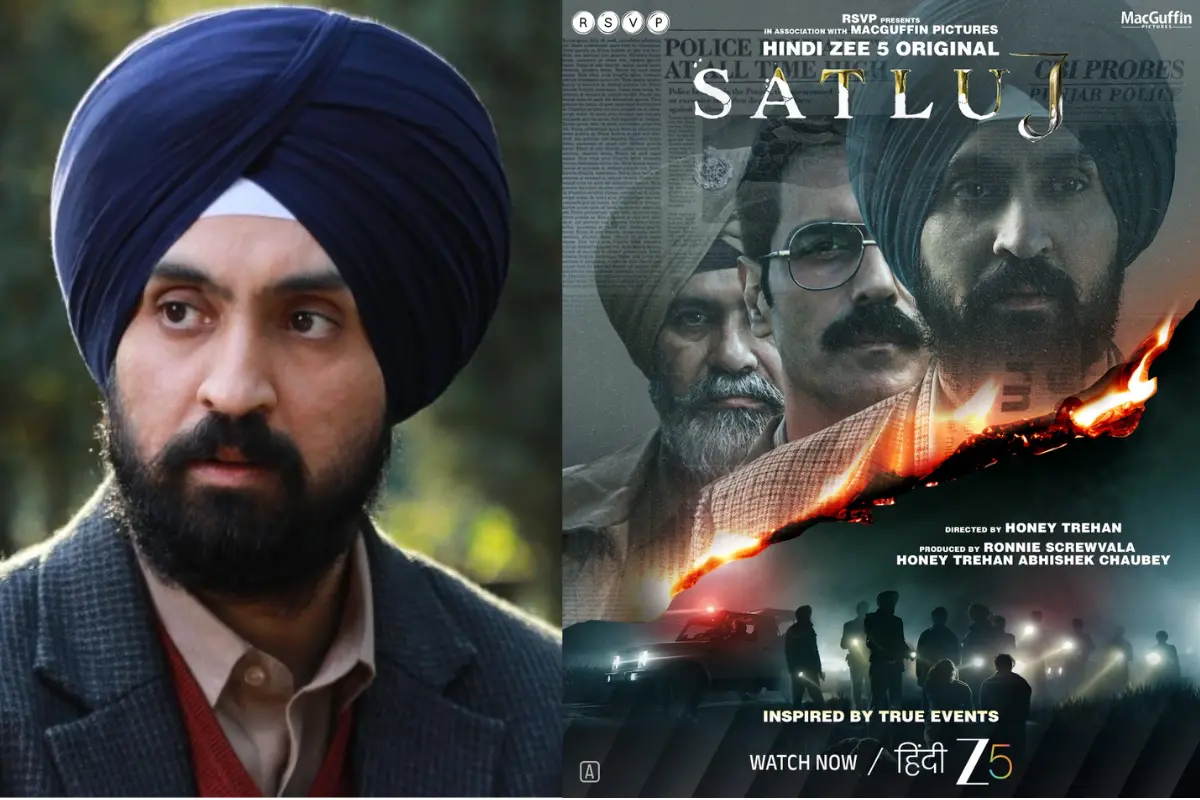
A film that arrived on an OTT platform has ended up becoming one of the biggest talking points of the week. 'Satluj', starring Diljit Dosanjh as human rights activist Jaswant Singh Khalra, was made available on ZEE5 in India on July 3 before disappearing less than 48 hours later. Its brief streaming window has ignited discussions around censorship, OTT regulations, piracy and whether attempts to restrict a film can actually make it reach a wider audience.
Here are five key questions at the heart of the controversy.
1. Why did the makers choose an OTT release?
The film has had a long and difficult journey. Originally titled 'Ghallughara' before being renamed 'Panjab '95', it reportedly faced 127 suggested cuts from the Central Board of Film Certification (CBFC). The makers challenged the certification process in court, but the theatrical release remained uncertain.
Eventually, the film was retitled 'Satluj' and premiered directly on ZEE5. Unlike theatrical releases, OTT platforms in India do not require CBFC certification before streaming. Instead, they follow the Information Technology (Intermediary Guidelines and Digital Media Ethics Code) Rules, 2021, which rely on self-classification and post-publication oversight.
The move has prompted fresh debate over whether the filmmakers simply used an existing legal route or exploited a regulatory gap.
2. Why was 'Satluj' removed so quickly?
The biggest mystery remains the film's sudden removal.
ZEE5 promoted 'Satluj' on its platform but later withdrew it without offering a detailed explanation. In a statement, the platform said it was responding to "current developments" and was exploring legal options to restore the film.
Meanwhile, government sources told PTI that the platform had been asked to remove the film due to "security concerns" and obligations under the IT Rules, 2021. According to those sources, authorities feared the film could be misused by pro-Khalistan groups.
However, no detailed public order explaining the takedown has been released, leaving many questions unanswered.
3. Did Diljit Dosanjh's comments fuel the piracy debate?
Soon after the film was taken down, Diljit Dosanjh addressed fans during an Instagram Live session.
"There was a fear that it could be removed. I think you might have downloaded the movie by now. So, now there is no fear," he said.
He also added, "Once anything lands online, it never gets deleted."
The remarks drew criticism from some who argued they could encourage piracy, since sharing copyrighted content without permission is illegal. ZEE5 later appealed to viewers, saying, "We are doing our bit to bring 'Satluj' back. Please do yours. Don't support piracy."
The episode has highlighted the tension between preserving artistic access and protecting copyright.
4. Could this change how OTT platforms are regulated?
The controversy has once again drawn attention to India's digital content framework.
While films released in cinemas require CBFC certification, OTT platforms operate under a different set of regulations. The 'Satluj' episode may reignite discussions over whether streaming platforms should continue with self-regulation or face stricter pre-release oversight for politically sensitive content.
Legal experts believe the outcome of this debate could shape future releases of controversial films on digital platforms.
5. Who benefited from the controversy?
Ironically, almost every stakeholder appears to have gained something.
The filmmakers managed to briefly release what they considered their preferred version. ZEE5 received enormous attention despite the film's removal. Public interest in 'Satluj' surged far beyond what a conventional release may have achieved, while online discussions continued long after the film disappeared from the platform.
At the same time, piracy emerged as an unintended consequence, with copies reportedly circulating online soon after the takedown.
The controversy has also arrived ahead of Punjab's 2027 Assembly elections, adding a political dimension to debates around censorship, artistic freedom and national security.
Although 'Satluj' is no longer available for streaming in India, its 48-hour release has ensured that conversations surrounding the film continue. Whether viewed as a censorship issue, an OTT regulation challenge or a lesson in how quickly digital content can spread, the film has become much bigger than its brief time on screen.