Remembering Shyam Benegal: A pioneer who redefined Indian Cinema
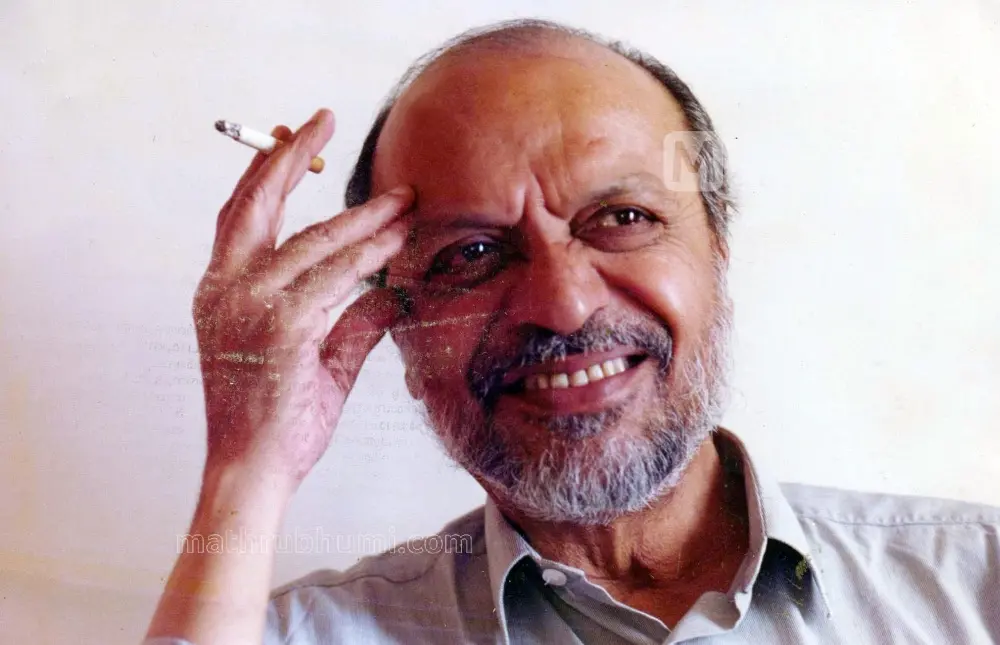
Shyam Benegal, one of the most respected filmmakers in Indian cinema, passed away on Monday while undergoing treatment at Wockhardt Hospital in Mumbai.
His contributions to the Indian film industry are vast and far-reaching, making him a key figure in shaping the narrative of parallel cinema. Often referred to as the pioneer of Indian new wave cinema, Benegal’s work continues to inspire filmmakers and audiences alike.
A Trailblazer in Parallel Cinema
Benegal’s journey in filmmaking began in the early 1970s when he made his directorial debut with Ankur (1973), which immediately set him apart from mainstream cinema. This film, along with Nishant (1975), Manthan (1976), and Bhumika (1977), laid the foundation for the parallel cinema movement. His films were marked by their realistic portrayal of socio-political issues and the lives of ordinary people, making him a voice for the underrepresented sections of society.
Benegal's ability to merge artistry with social commentary earned him recognition and a loyal following among cinema lovers. His films were deeply rooted in the traditions of Indian culture, but they also questioned societal norms and challenged the status quo.
The Muslim Women Trilogy
One of the highlights of Benegal's illustrious career was his Muslim Women Trilogy, comprising Mammo (1994), Sardari Begum (1996), and Zubeidaa (2001). These films focused on the struggles of Muslim women, exploring themes of identity, love, and oppression. Each of these films won the National Film Award for Best Feature Film in Hindi, solidifying Benegal's reputation as a filmmaker committed to portraying complex human experiences.
In Mammo, Benegal tells the poignant story of a woman whose life is torn between love and societal constraints, while Sardari Begum depicts a woman’s struggle to find her voice in a male-dominated world. Zubeidaa, inspired by the true story of a woman’s turbulent life, is a powerful exploration of personal freedom and the complex intersection of love, ambition, and tragedy.
Accolades and Recognition
Over his decades-long career, Benegal received several prestigious awards for his outstanding contributions to Indian cinema. His most notable honours include:
- Dadasaheb Phalke Award (2005)
- Padma Shri (1976)
- Padma Bhushan (1991)
- National Film Awards: Benegal's films won the National Film Award for Best Feature Film in Hindi on multiple occasions, with seven victories to his name. His ability to craft films that reflected the pulse of society earned him the title of one of India’s greatest filmmakers post-1970s.
In addition to these prestigious awards, Benegal was also honored with the Filmfare Lifetime Achievement Award and the Nandi Award, among others. These accolades are a testament to his unparalleled influence on the Indian film industry.
A Visionary Behind the Camera
Benegal’s legacy goes beyond his awards and accolades. He was a filmmaker who believed in the power of cinema to transform society. His films not only entertained but also enlightened audiences on critical social issues. Whether it was depicting rural life in Manthan or exploring the inner worlds of women in Zubeidaa, Benegal’s work was a window into the complexities of human existence. The director's most recent work was the 2023 biographical Mujib: The Making of a Nation.