The story of Holi: History, rituals, and how India celebrates
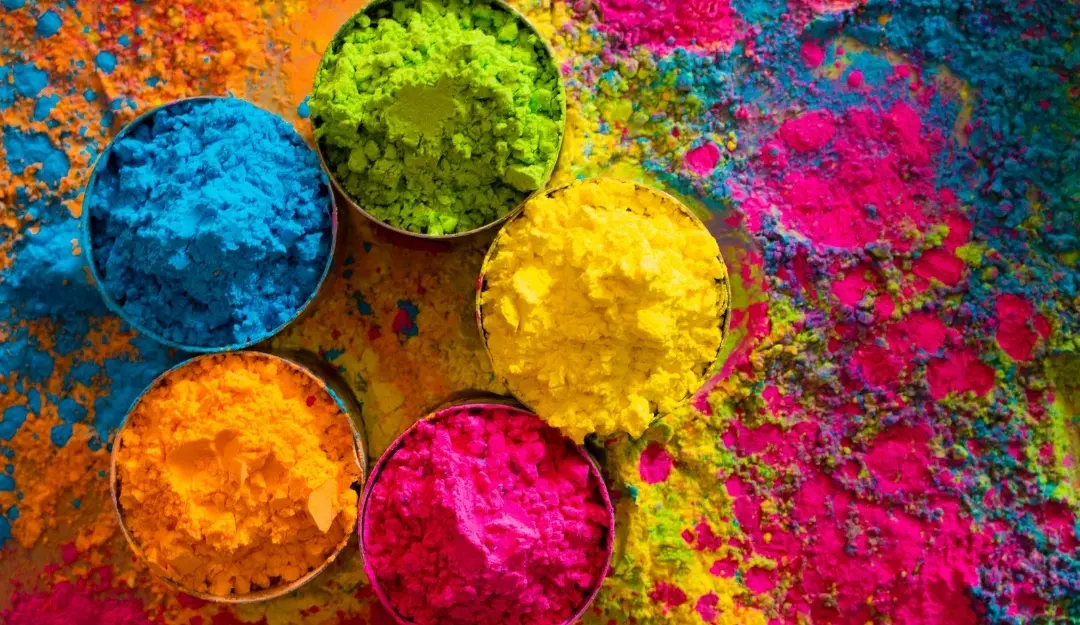
Holi has been celebrated for centuries in India, with references found in ancient Hindu scriptures and historical accounts. Rooted in mythology, history, and cultural traditions, Holi is celebrated with colours, music, feasting, and festive gatherings, making it a unique and unifying experience. The festival is deeply connected to two major legends:
- The legend of Prahlad and Holika – The triumph of good over evil
According to Hindu mythology, King Hiranyakashipu was a tyrant ruler who demanded worship as a god. His son Prahlad, a devout follower of Lord Vishnu, refused. Enraged, the king conspired with his sister Holika, who had a boon of fire resistance, to burn Prahlad alive. However, Holika was burned instead, while Prahlad emerged unharmed, symbolising the victory of good over evil.
To commemorate this event, Holika Dahan, a bonfire ritual, is held on the night before Holi, where people burn wood and effigies of Holika, signifying the end of negativity.
- Krishna and Radha – The playful side of Holi
Holi is also linked to Lord Krishna, who, according to legend, playfully smeared colours on Radha and other Gopis. Since Krishna was dark-skinned, his mother Yashoda playfully suggested he apply colour on Radha, marking the beginning of Holi’s colour-throwing tradition.
In Mathura and Vrindavan, Holi is still celebrated with grand processions, temple rituals, and flower showers, honouring Krishna’s playful spirit.
Holi across India:
Holi is not just one festival but a series of celebrations observed differently across various states.
- Lathmar Holi (Barsana, Uttar Pradesh): Women playfully beat men with sticks in Barsana and Nandgaon, re-enacting Radha’s playful defiance of Krishna’s teasing.
- Rangwali Holi (North India): The classic colour-throwing Holi is celebrated with gulaal, music, water balloons, and festive feasting in Delhi, Lucknow, Jaipur, and Mumbai.
- Basanta Utsav (Shantiniketan, West Bengal): Inspired by Rabindranath Tagore, this is a cultural Holi filled with poetry, dance, and songs, celebrated in yellow attire.
- Hola Mohalla (Punjab):A Sikh version of Holi, introduced by Guru Gobind Singh, featuring mock battles, martial arts, and processions.
- Shigmo (Goa): A spring festival with parades, folk dances, and temple rituals, blending Holi with Konkani traditions.
- Royal Holi (Udaipur, Rajasthan): Celebrated with a grand procession of elephants, horses, and folk performances, hosted by the Mewar royal family.
Modern trends and evolving Holi celebrations
Holi has evolved over time, adapting to modern lifestyles and environmental awareness. Some key trends include:
- Organic Colours & Eco-Friendly Holi – Many people now prefer herbal and natural gulaal made from flowers and herbs instead of chemical-based colours.
- Waterless Holi – To reduce water wastage, some cities promote a dry Holi using only powdered colours.
- Music Festivals & Bollywood-Themed Parties – Holi celebrations have expanded into large-scale events, with DJ parties, live music, and Bollywood dance fests in major cities.
- Bhaang & Thandai Craze – The traditional Holi drink, bhaang-infused thandai, remains a festival favourite, though many prefer non-intoxicating versions today.
- International Holi Celebrations – The festival has now gone global, with Holi parties happening in London, New York, Dubai, and Sydney, bringing together people of all cultures and backgrounds.
The universal message of Holi
Holi is more than just a festival of colours—it is a celebration of life, love, and new beginnings. The festival teaches people to embrace unity and togetherness, let go of negativity, and celebrate joy and friendship.
As Holi spreads colour and laughter across the world, its essence remains timeless: good triumphs over evil, love brings people together, and life is meant to be celebrated with happiness.