Vishu 2025: A celebration of light, legacy and new beginnings in Kerala homes
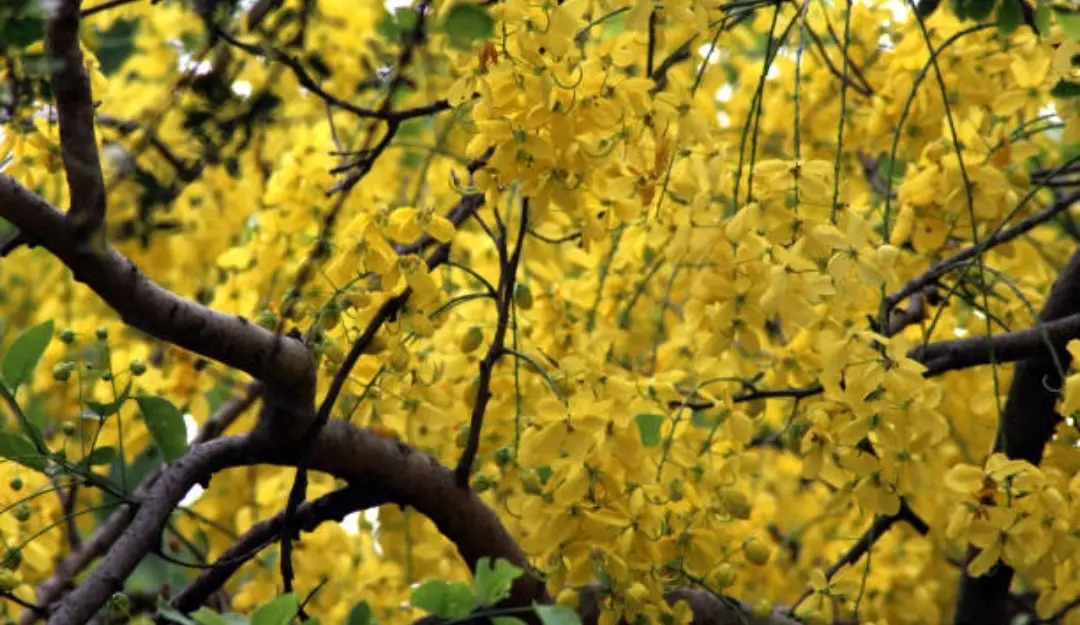
On the morning of Vishu, sunlight seeps into the tiled courtyards of Kerala homes, filtering through wooden shutters to illuminate an arrangement that is anything but random—the Vishukkani. It is not merely a ritual but a quiet meditation on abundance. A traditional uruli (metal vessel) is filled with rice, seasonal fruits, golden laburnum flowers (konna), a mirror, and sacred texts—all meant to be the first sight of the new year. A lit oil lamp bathes it all in a warm glow.
For a lot of Malayalis Vishukkani is about more than spiritual symbolism. “It’s how I reset my year—by waking up in silence, looking at symbols of what I want to attract: balance, beauty, growth,” one Malaylai from Kochi shared.
The comfort of rituals in a fast-moving world
In an age of digital distractions, Vishu brings a rare, intentional pause. The morning kani, the burst of fireworks, and the joyous sadya (feast) all signal a lifestyle that balances faith, community and sensory pleasure. For many working professionals and young families, Vishu is also a day of digital detox and rediscovering roots.
Tech entrepreneur Adarsh Pillai, who lives in Bengaluru but returns home to Thrissur for Vishu, says, “We chase productivity all year. Vishu reminds me of something slower—family chats in the courtyard, plantain leaf meals, and stories from Ammachi about how Krishna defeated Narakasura.”
Clothing, cuisine and conscious choices
Vishu also reflects in what people wear and eat. New clothes are worn—kasavu mundu and set sarees for tradition-lovers, while some opt for handloom fusion wear that honours heritage while staying contemporary. Food is an integral part of the lifestyle—no Vishu is complete without a sadya, with dishes like mango pachadi, inji curry, avial, parippu, and payasam making a multi-course celebration on a single plantain leaf.
Interestingly, there's a growing trend of eco-Vishu celebrations. Many households now prefer organic produce, reusable urulis, and cloth decorations, adding a sustainable lens to tradition.
Vishu Kaineetam: Currency of blessings
Perhaps the most joyful aspect for children is kaineetam—elders giving coins or currency as blessings. But more than money, it’s an exchange of values. “My grandfather always gives us a coin wrapped in a banana leaf with a proverb or a blessing written on it,” says 17-year-old Arya Suresh from Alappuzha. “It’s our family’s little tradition within a tradition.”
A season of new intentions
As Vishu ushers in the month of Medam, it also marks a psychological threshold—a time to forgive, realign, and set intentions. Much like the spring equinox in the West, Vishu brings equilibrium.
“Vishu is when we clean our homes and minds,” says Lakshmi Namboodiri, a wellness coach in Thiruvananthapuram. “It’s the most beautiful reminder that prosperity isn't just wealth, but peace, relationships and rituals we return to.”