Janmashtami 2026: Vrat rules, puja timings and when to break the fast
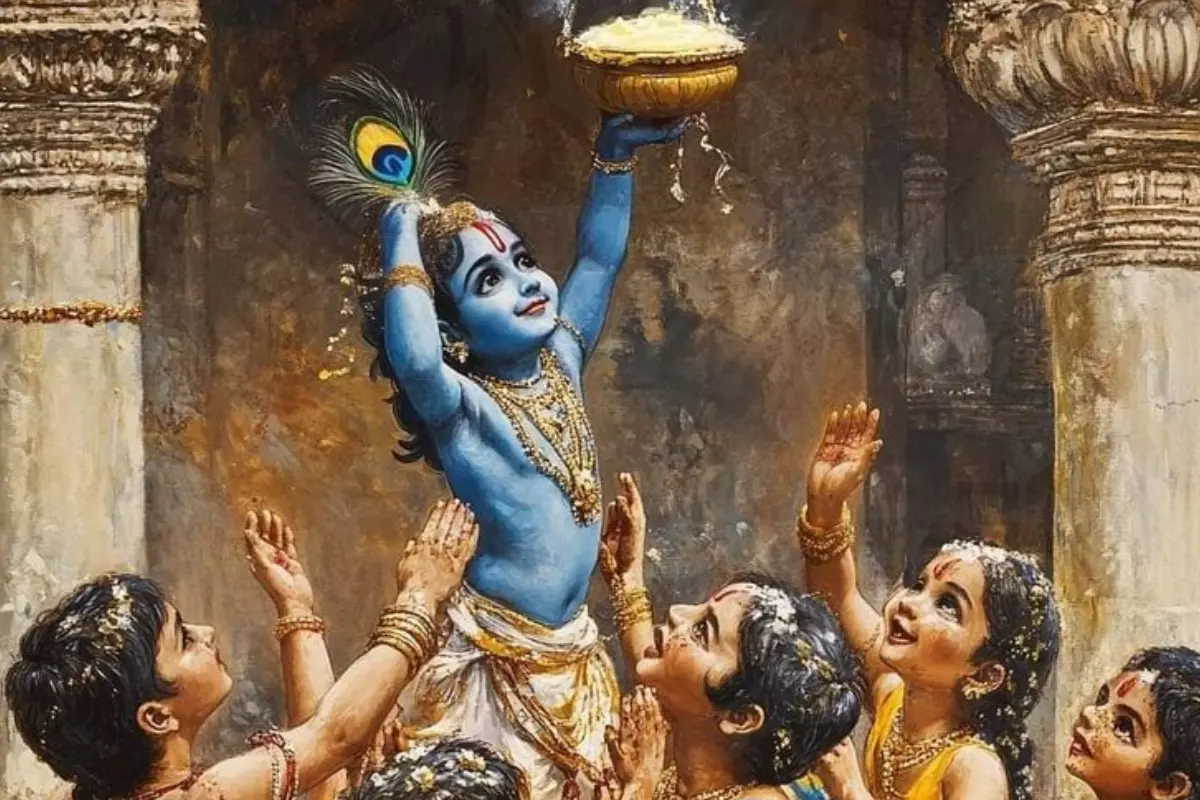
Krishna Janmashtami, the festival marking Lord Krishna's birth falls on Friday, September 4, 2026. Devotees across India will mark the day with prayers, fasting and midnight worship, since Krishna's birth is traditionally believed to have occurred at midnight.
Date and Puja timing (Mumbai)
- Janmashtami: September 4, 2026
- Nishita Puja: 12:14 AM – 1:01 AM, September 5
- Midnight moment: 12:37 AM, September 5
- Parana (breaking the fast): after 6:24 AM, September 5
- Dahi Handi: September 5, 2026
These timings are calculated for Mumbai. Devotees in Delhi, Pune, Bengaluru, Kolkata or elsewhere should check their local Panchang, as Nishita and parana timings shift by location.
Also Read: Whether you sing along or listen, this Raksha Bandhan playlist celebrates every kind of sibling love
Types of Vrat
There's no single way to observe the fast:
- Nirjala vrat - abstaining from both food and water. This strict form isn't advisable for pregnant women, the elderly, young children or anyone medically vulnerable without a doctor's guidance.
- Phalahar vrat – a more flexible fast built around fruits, dairy and permitted foods.
- Ek-bhukta - eating only once during the day.
What you can eat
Fruits (banana, apple, pomegranate, papaya, pear, coconut, orange), dry fruits and nuts, milk and dairy (curd, paneer, makhan), roasted makhana, sabudana preparations like khichdi or vada, kuttu and singhara flour for rotis or puris, rajgira, samak rice, and sendha namak (rock salt) in place of regular salt.
What to avoid
Regular grains (wheat, rice, oats, maize), pulses and legumes, onion and garlic, ordinary table salt, meat, fish and eggs, alcohol and tobacco.
Packaged "vrat" snacks need a careful ingredient check, since many contain items outside fasting rules. Tea and coffee aren't universally treated as standard vrat foods either, it comes down to the type of fast and family tradition.
Puja vidhi
The day begins with a bath, clean clothes and decorating the Krishna idol with flowers, tulsi and peacock feathers.
An abhishek may follow, using panchamrit, milk, curd, ghee, honey and sugar. The main worship takes place during Nishita Kaal, around midnight, and includes tilak, bhog, aarti, mantra chanting and placing the idol in a decorated cradle.
Also Read: Priyanka Chopra's daughter Malti Marie ties first Rakhi to cousin Neer, Parineeti shares glimpses
When to actually break the fast
This is where confusion often creeps in. Many assume midnight puja marks the end of the fast but per the Dharma Shastra-based Mumbai Panchang, formal parana falls only after 6:24 AM on September 5, once Ashtami Tithi and Rohini Nakshatra have ended before sunrise.
Some communities do break their fast right after Nishita Puja instead the practice varies by tradition.
Once the fast ends, a light satvik meal, fruits, milk or curd, khichdi, simple vegetables, rice, roti, dal is gentler on the body than a heavy or oily meal eaten immediately after.
Common mistakes to avoid
Assuming midnight always ends the fast, following another city's timing, treating every vrat as nirjala, trusting packaged ‘fasting’ foods without reading labels, and ignoring health warning signs like dehydration or weakness during a prolonged fast.