The new wall statement: How collectible digital art is finding its place in luxury interiors
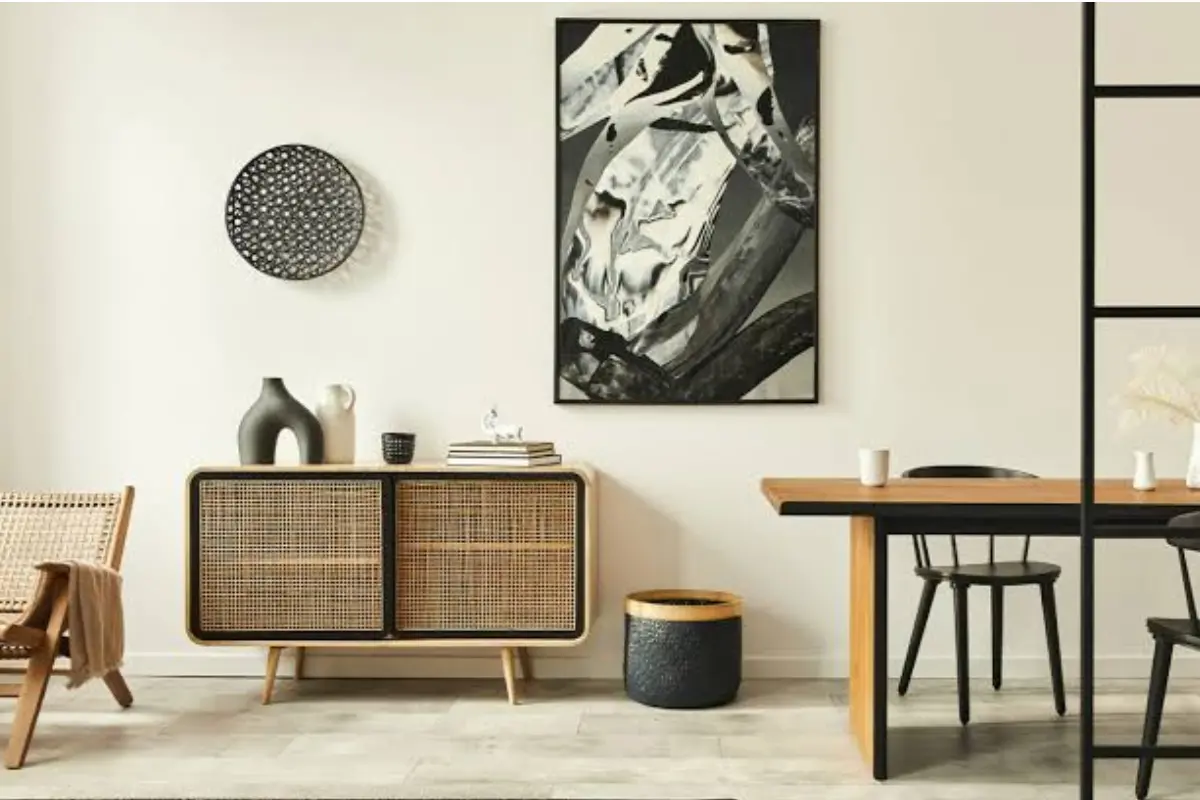
For decades, art in luxury homes has served as more than an aesthetic addition. A celebrated artist's original work, a rare painting or a sculpture with an established provenance often doubled as a marker of taste, cultural standing and financial privilege. The value of a collection was frequently communicated through recognisable names, exclusivity and the stories behind each acquisition.
That idea of luxury, however, is evolving. Increasingly, collectors and design-conscious homeowners are looking beyond conventional art forms to explore new creative mediums. Among the most interesting developments is the growing interest in collectible digital art, which is gradually finding its way into contemporary luxury interiors.
Once viewed primarily as a screen-based medium or a more accessible alternative to traditional art, digital creations have developed an identity of their own within the art market. Major auction houses such as Sotheby's and Christie's have also brought digital works into the mainstream collecting conversation. Limited editions, artist recognition and verifiable ownership have further contributed to their appeal.
ALSO READ: Make your bed like you mean it, A style guide for every kind of sleeper
For collectors, the attraction is no longer simply the novelty of owning something digital. It is about acquiring a distinctive artistic vision and giving it a physical presence within a thoughtfully designed space.
From Digital Canvas To A Defining Interior Element
The medium through which an artwork is created does not necessarily determine how it is experienced. Many collectible digital works can be produced as high-quality prints on archival paper, framed and displayed with the same attention to detail as conventional paintings.
In a well-designed home, the artwork's origins become secondary to its visual and emotional impact. It can introduce colour, establish a focal point, complement architectural details or bring an unexpected element into an otherwise restrained space.
Digital and generative art also offer creative possibilities that differ from traditional mediums. Intricate geometries, experimental compositions, unusual colour relationships and digitally constructed forms can introduce a distinct visual language into contemporary interiors.
ALSO READ: I spent 36 years designing homes. Then one house made me rethink everything
This makes the medium particularly interesting for homes that favour modern architecture, clean lines and carefully considered material palettes. Rather than competing with the surrounding design, a thoughtfully selected digital artwork can complement the architecture and contribute to the overall character of a room.
The appeal, ultimately, lies less in the technology behind the work and more in the ideas it brings into a space.
When Personal Taste Becomes The New Luxury
The changing interest in digital art also reflects a broader shift in how luxury is perceived. For a new generation of entrepreneurs, professionals and collectors, exclusivity is increasingly linked to individuality and the ability to recognise emerging creative talent.
The most expensive object in a room does not necessarily make it the most interesting. Increasingly, the choices that define a sophisticated interior are those that reveal something about the homeowner's interests, sensibilities and cultural influences.
In this context, a carefully selected digital or generative artwork can become a statement of personal taste. It suggests an openness to experimentation and an interest in contemporary creative movements rather than an exclusive reliance on established names and traditional formats.
This is particularly relevant to modern interior design, where architecture, furniture, lighting, textures and artwork are expected to work together. The strongest spaces rarely depend on a single statement of luxury. Instead, they bring different elements together to create an environment that feels considered, distinctive and personal.
Collectible digital art can occupy a meaningful place within this composition, offering homeowners another way to express their aesthetic preferences.
What Makes Digital Art Collectible?
Not every digital image qualifies as a collectible artwork. The distinction lies in the creative authorship, edition structure and provenance associated with a piece.
An image that can be downloaded and reproduced indefinitely is fundamentally different from an artwork released as part of a limited edition with verifiable ownership. In the latter case, scarcity becomes an important part of the collecting proposition.
ALSO READ: 5 throws that belong in every well-styled home
The artist's reputation, the number of editions, the history of ownership and the artwork's place within a wider body of work can all contribute to its perceived value. These factors also influence how collectors approach digital acquisitions.
Rather than treating such works as interchangeable decorative pieces, serious collectors may evaluate them through considerations similar to those applied to other art forms. The focus shifts towards the artist, the creative process, the edition and the work's cultural relevance.
While limited availability and provenance can contribute to an artwork's exclusivity, they do not guarantee financial appreciation. As with traditional art, collecting remains closely connected to individual taste, research and an understanding of the artist's practice.
For luxury interiors, however, the distinction is significant. A collectible work is not simply selected to fill an empty wall. It is acquired because of what it represents and the perspective it brings into the home.
Where Traditional Art Meets Digital Creativity
The growing presence of digital art does not signal a departure from traditional or handmade artistic practices. Instead, it creates opportunities for different mediums to coexist within the same space.
A handcrafted artwork rooted in centuries-old techniques can sit alongside an experimental generative composition, creating an interesting contrast between heritage and contemporary expression. One may bring texture, craftsmanship and a sense of history, while the other introduces new forms, visual experimentation and a different understanding of artistic creation.
Such combinations can make an interior feel more layered and individual. They also challenge the idea that a home must follow one particular artistic language to achieve a sense of cohesion.
What matters is the thought behind the selection and the relationship between the artwork and its surroundings. Whether traditional, digital or a combination of both, art becomes most meaningful when it contributes to the identity of a space.
The Future Of Art In Luxury Homes
As the boundaries between technology, design and artistic expression continue to evolve, collectible digital art is opening up new possibilities for homeowners and collectors.
Its place in luxury interiors is no longer defined solely by its digital origins. Artists are building distinctive creative practices, collectors are exploring limited-edition works, and designers are finding new ways to incorporate these pieces into contemporary spaces.
ALSO READ: Is your home draining your energy? How space shapes women’s health
For those creating considered homes, digital art deserves to be approached as more than a technological novelty or an affordable substitute for conventional artwork. It represents an expanding creative medium with its own artistic language and collecting culture.
Luxury interiors have always reflected the people who inhabit them. While earlier generations may have communicated status through recognisable artworks and price tags, today's collectors are increasingly interested in pieces that reflect their individual perspectives.
The new wall statement, then, is not necessarily about what an artwork costs or how familiar its artist's name is. It is about the story, sensibility and point of view it brings into a home.
(With inputs from Suumit Arora, Founder and CEO of Artiure)