Grow your own jungle: Fun eco-friendly indoor gardening hacks
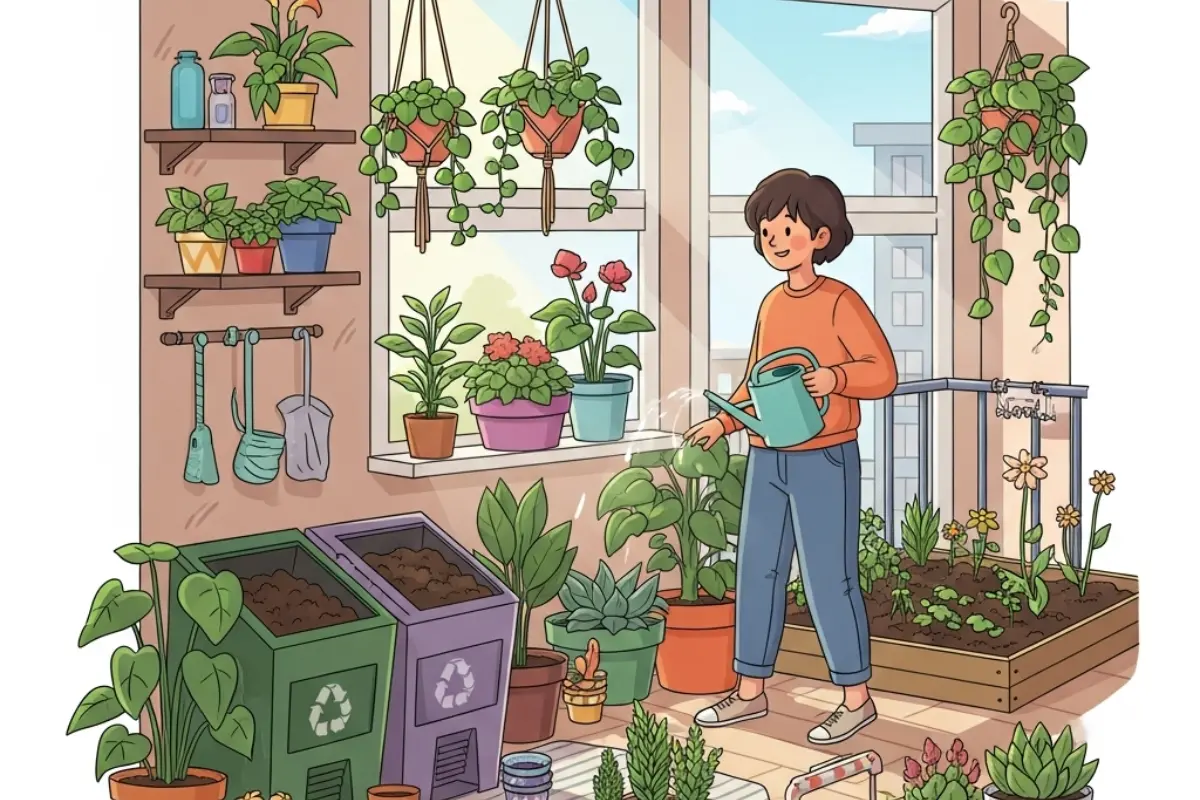
Imagine walking into your home and being greeted by a little jungle of happy, thriving plants — and knowing that you’re helping the planet while you do it! Indoor gardening isn’t just about pretty pots and green corners anymore; it’s a way to make your home feel alive, reduce stress, and care for the environment at the same time. With a few simple eco-friendly tweaks, even busy city dwellers can turn their apartments into green havens without breaking a sweat.
Eco-friendly indoor gardening combines plant care with environmental responsibility. With India’s indoor plant market estimated at USD 250 million (₹2,290.49 Crores) in 2024 and projected to reach USD 400 million (₹3,664.78 Crores) by 2030, urban gardeners are increasingly aware of how their plant-care choices impact soil, water, and ecosystems.
Why sustainability matters
Indoor plants rely on pot ecosystems, making soil management crucial. Overuse of chemical fertilisers can harm beneficial microbes and destabilise soil. Organic and natural inputs mimic outdoor soil conditions, promote microbial health, and reduce chemical runoff even indoors.
Health and wellbeing benefits
Scientific studies indicate that indoor plants improve air quality and contribute to mental health:
- Plants help remove volatile organic compounds (VOCs) from indoor air, improving air quality.
- Presence of indoor plants reduces stress and can lower heart rate and blood pressure during tasks.
Principles of eco-friendly indoor gardening
- Slow-release organic nutrition: Compost, vermicompost, and biochar provide steady nutrient release, supporting strong roots and stress resistance.
- Soil health and microbes: Organic matter maintains microbial diversity, essential for nutrient cycling and plant resilience.
- Water conservation: Smart watering techniques, such as self-watering planters, reduce water waste.
- Sustainable containers: Biodegradable, bamboo, or recycled pots minimise environmental impact.
Practical tips
- Use natural fertilisers to maintain soil biodiversity and nutrient balance.
- Opt for LED grow lights to save energy.
- Reuse household water for plants to reduce fresh water consumption.
- Group plants to increase humidity and stabilise microclimates.
Urban lifestyle integration
Eco-friendly indoor gardening aligns with urban living. It allows busy city dwellers to care for plants efficiently while promoting wellbeing, conserving resources, and connecting with nature.
Eco-friendly indoor gardening is both practical and beneficial. By using organic fertilisers, conserving water, and choosing sustainable containers, urban gardeners can grow healthier plants, support soil ecosystems, and contribute to a greener, more sustainable home environment.