What is ‘Amoebic encephalitis’? Know more about its symptoms, prevention and treatment
Two people are undergoing treatment in Kozhikode for amoebic encephalitis. A three-month-old baby from Omassery and a 40-year-old man from Annassery have been diagnosed with the disease. Both were identified during tests conducted at the Microbiology Lab of the Medical College.
Both remain in the ICU. Hospital authorities said their samples have been sent to the Virology Lab in Chhattisgarh for further testing. The baby was admitted to the Maternal and Child Health Center two weeks ago with symptoms. Health workers had earlier reported that the baby’s condition remains critical.
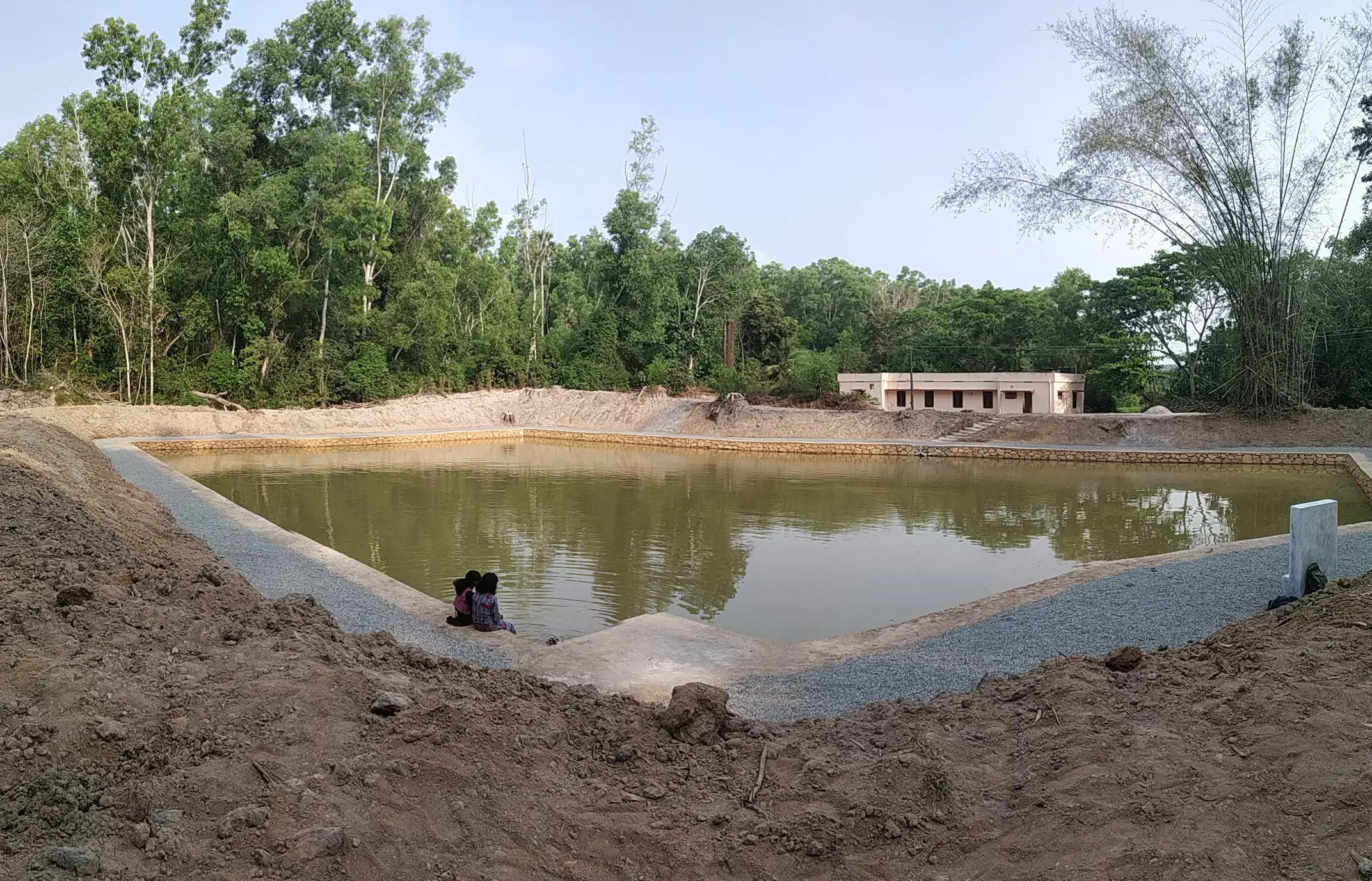
The amoeba ''Naegleria fowleri'', which causes this disease, is usually found in rivers and ponds with low flow. However, the risk of infection increases when conditions are favourable for its reproduction. These organisms, which grow in stagnant sewage, thrive in sunlight and warm conditions.
If this water enters the nose, the amoeba will penetrate the body through it. It then reaches the brain and destroys cells, causing swelling. Initial symptoms include fever, headache, vomiting, and neck pain. Later, memory loss and epilepsy may also occur.
What is amoebic encephalitis?
Amoebic encephalitis, or amoebic meningoencephalitis, is a very rare disease that affects one in 10,000 people. The disease occurs when the amoeba, a pathogen of the ''Naegleria fowleri'' genus, affects the brain. It is not transmitted from person to person.
The amoeba, which lives in stagnant water, enters the human body through the thin skin of the nose and causes encephalitis, seriously affecting the brain. Amoebae, which live freely in water, are generally found in stagnant water bodies. By bathing in a stream or pool, these pathogens enter the human body through the thin skin of the nose and seriously affect the brain, causing encephalitis.
Symptoms
Symptoms appear within one to 9 days of infection. Initial signs include severe headache, fever, nausea, vomiting, and difficulty turning the neck. Later, as the condition worsens, symptoms such as epilepsy, fainting, and memory loss may occur. Diagnosis is made by taking a spinal fluid sample and examining it.
Prevention
The amoeba enters the body through bathing in stagnant or unclean water, or by rinsing the nose. To prevent the disease, avoid bathing in stagnant water or streams and avoid rinsing the nose with untreated water.
If you notice any symptoms, do not ignore them and see a doctor as soon as possible. Children can safely bathe in properly chlorinated swimming pools.