Can salicylic acid really help with acne? Benefits, uses and side effects
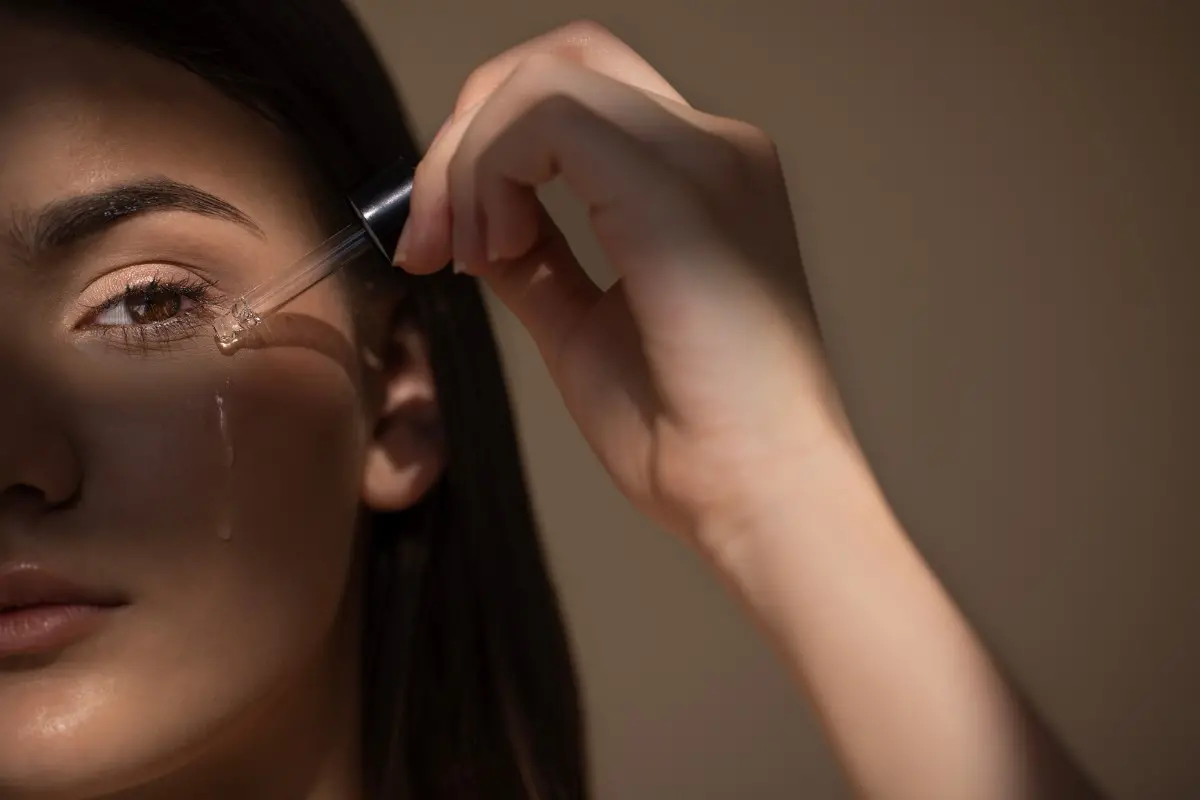
If you have oily skin, blackheads or the occasional breakout, you have probably come across salicylic acid. It is one of the more familiar acne-fighting ingredients, but what exactly happens when you put it on your skin?
It helps clear clogged pores
One of salicylic acid's main jobs is getting into clogged pores and helping loosen the buildup of dead skin cells and oil.
It is oil-soluble, which helps it work inside the pore rather than only on the skin's surface. It also has a comedolytic effect, meaning it can help prevent and clear comedones, the plugs that become blackheads and whiteheads. The American Academy of Dermatology includes topical salicylic acid among its recommended options for acne.
Also Read: Habits that may be speeding up your skin ageing: 7 everyday mistakes to watch
This is why the ingredient is particularly popular in products aimed at blackheads and oily, congested skin.
It exfoliates, but not like a face scrub
Salicylic acid is commonly described as a chemical exfoliant. Instead of physically rubbing away dead skin cells, it helps loosen the connections between cells in the outermost layer of the skin. This can encourage shedding and leave the skin feeling smoother.
That makes it quite different from a grainy scrub. More scrubbing does not mean better exfoliation, and rubbing already irritated or acne-prone skin can make things worse.
It can help with pimples too
Salicylic acid is not only about blackheads. It can also help with some inflammatory acne, although its main strength is dealing with clogged pores.
Research has found that topical salicylic acid can reduce both open comedones and inflammatory acne lesions. The AAD specifically notes that it works best for whiteheads and blackheads, while other acne treatments may be needed depending on the type and severity of breakouts.
So if you have persistent, painful or widespread acne, a salicylic acid cleanser alone may not be enough.
Does it control oily skin?
It can make oily skin feel less greasy, partly because of the way it works on oil and the material inside clogged pores. But that does not mean you should keep using more of it to get rid of every trace of oil.
Also Read: The right order to apply your skincare products, according to dermatologists
Overdoing exfoliating products can lead to dryness, redness, itching or peeling. That can be particularly uncomfortable if your skin is already sensitive or your skin barrier is irritated.
What concentration should you use?
For everyday acne products, salicylic acid is commonly found in concentrations around 0.5% to 2%, including cleansers, gels, creams and lotions.
Higher concentrations are used for treatments such as chemical peels and for certain skin conditions, and these are not the same as the products you casually pick up for your daily routine.
More is not automatically better. If you are new to salicylic acid, following the product's instructions is a better approach than choosing the highest percentage you can find.
Can it make your pores smaller?
This is where skincare marketing can get a little confusing.
Salicylic acid can clear some of the oil and dead skin buildup that makes pores look more noticeable. Smoother skin can therefore make pores appear smaller.
How often should you use it?
That depends on the product and your skin. A cleanser containing salicylic acid is washed off, while a leave-on serum or lotion stays on the skin for longer, so they should not automatically be treated as equivalent.
If you are introducing a leave-on product, starting less frequently can be sensible, particularly if you have sensitive skin.
If you notice persistent burning, redness, itching or peeling, stop using it and reassess the routine.
The FDA also advises people using BHA products to follow label directions, test a product on a small area first and stop if irritation or prolonged stinging occurs.
Also Read: Everyone's talking about skin cycling, but does it actually work?
Salicylic acid is not the same as an AHA, and it does not have exactly the same relationship with sun sensitivity. Still, sun protection remains an important part of an acne and skincare routine, particularly when you are using exfoliating products. The FDA advises sun protection when using cosmetic BHA products.
(Disclaimer: This article is for general information only and is not a substitute for medical advice. Always consult a dermatologist if you experience persistent irritation or have a skin condition.)