Laundry whitener allegedly used in paneer: UP food safety raid uncovers adulteration
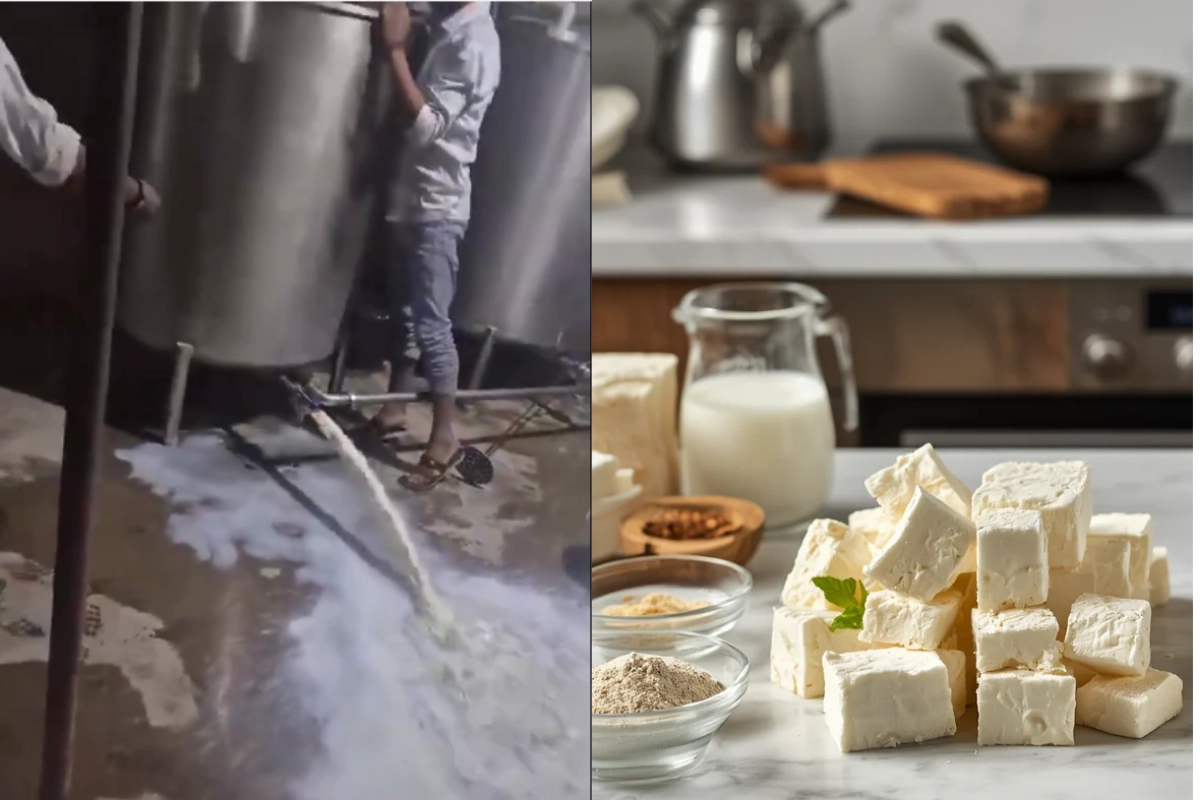
A food safety raid in Uttar Pradesh has uncovered an alleged paneer adulteration racket in which a laundry whitening agent was reportedly used alongside palm oil and other chemicals to manufacture the dairy product, raising fresh concerns over food safety during the wedding season.
The Food Safety and Drug Administration (FSDA) raided a paneer manufacturing unit in Aghaura village, under Bachhrawan police station limits in Raebareli district, on Monday night, after suspecting adulteration in the production process.
Officials allegedly found the unit using Ranipal optical whitener, refined palmolein oil, citric acid and caustic soda to manufacture paneer under unhygienic conditions. The chemicals were allegedly being used to produce paneer that could be sold as a dairy product, despite concerns over its ingredients and manufacturing process.
An FIR has been registered against the unit's owner and three others. According to ANI, authorities collected samples of the chemicals, milk and paneer for testing. Around 1,300 litres of milk and stock for making paneer were destroyed during the operation.
Why adulterated paneer is a recurring food safety concern
Paneer is widely consumed in Indian households, restaurants and catering services, with demand rising during weddings, festivals and other celebrations. The increased demand also creates opportunities for manufacturers to cut costs by substituting milk fat with cheaper ingredients or using additives to increase the quantity and alter the texture of the product.
Vegetable oils are among the adulterants commonly associated with paneer, as they can be used as cheaper substitutes for milk fat. Starch is another adulterant that can be added to milk products to increase bulk.
The Food Safety and Standards Authority of India (FSSAI) has previously identified vegetable oils as a common adulterant in paneer and directed state food safety authorities to intensify inspections of milk and milk products during festive seasons, when demand and the risk of adulteration tend to rise.
The regulator has also highlighted the need to ensure that products made using non-dairy ingredients are not misleadingly sold as paneer.
How consumers can check for adulteration
FSSAI's DART (Detect Adulteration with Rapid Test) guide lists a simple test to check for starch in paneer and other milk products.
Consumers can boil a small quantity of the sample in water, allow it to cool and add a few drops of iodine solution. A blue colour indicates the possible presence of starch.
However, this test checks only for starch and cannot establish whether paneer is free from other chemicals, adulterants or microbial contamination. Laboratory testing remains necessary to determine the safety and composition of a suspected adulterated product.