Is it safe to store an open can in the fridge? (Why your leftovers taste metallic)
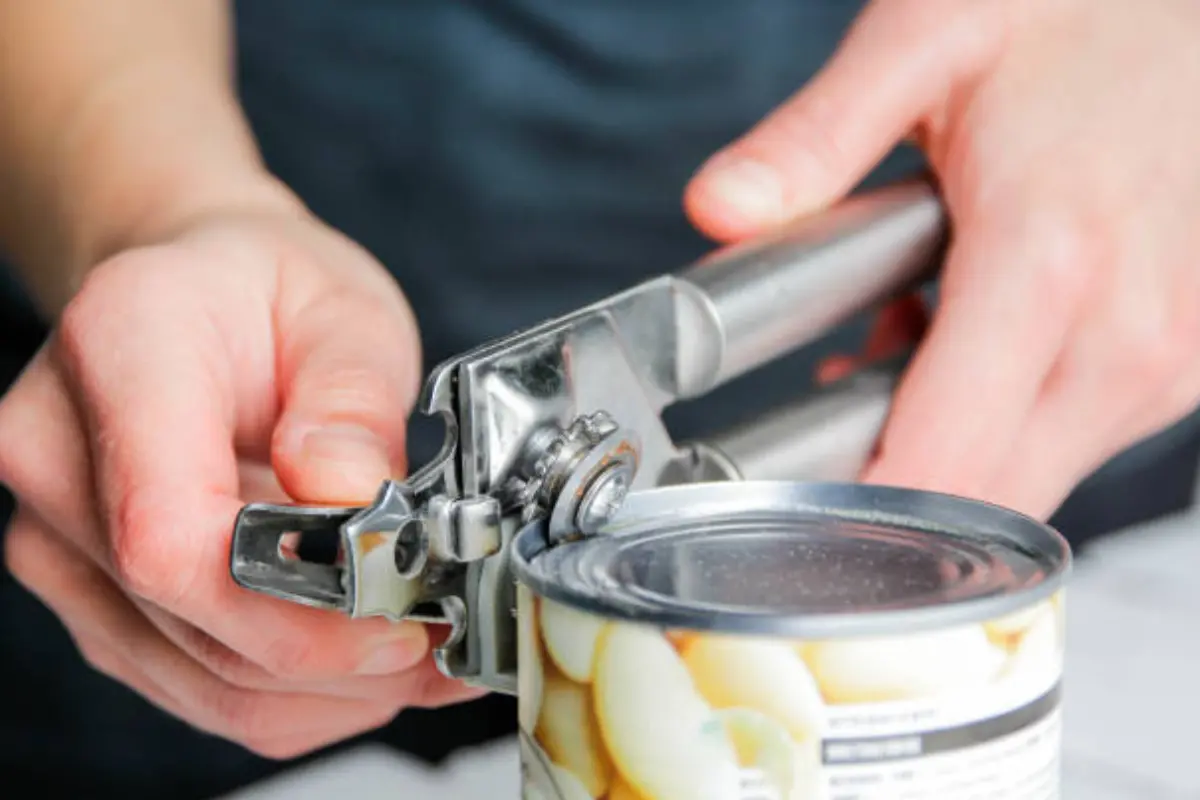
You scoop out a spoonful of tomato paste, shove the rest of the can in the fridge, and forget about it. Days later, it tastes faintly metallic, almost rusty. Here's what's really going on, and how to stop it.
Is it actually safe?
Yes. The USDA confirms that leftover canned food can be refrigerated right in the can, there's no microbiological danger in doing so.
Modern cans are sealed by folding steel layers together (not the lead solder used before the 1990s, which was fully banned by the FDA in 1995), so today's cans are sterile inside.
The catch isn't safety, it's quality.
Also Read: What are the white strings on bananas? Are they safe to eat?
Why food goes metallic and dull?
Cans are built in layers of steel on the outside, a thin tin layer, and an inner polymer coating that keeps food from ever touching bare metal.
The moment you cut the can open, that protection is breached, the rim and any metal spoon you dig in with exposes raw tin and steel to your food.
From there, two things happen at once:
Oxygen starts oxidizing fats in the food, producing the aldehydes and ketones responsible for that "tinny" or rancid smell.
Microorganisms feed on trace metals leaching from the exposed can, which speeds up the oxidation further.
Acidic and salty foods, tomato paste, chipotles in adobo, pickles, brined beans, coconut milk are hit hardest, since acid and salt dissolve metal into the food faster.
None of this makes the food unsafe under normal fridge storage. It just tastes worse, sometimes within hours.
Also Read: How to keep coriander fresh for weeks; Try these easy tips
How to actually store leftovers
Restaurant kitchens never leave food in the can and you shouldn't either. A few simple habits fix most of the problem:
- Transfer immediately into an airtight glass or plastic container as soon as you open the can.
- Skip the zip-top-bag-around-the-can trick. There's still plenty of trapped oxygen inside the can and the bag, so it barely slows oxidation. Squeeze out air, use a container that's just the right size, or press air out of a zip-top bag before sealing, to limit oxygen contact.
- Label it with the date opened; USDA guidance says use leftovers within 7–10 days.
- Freeze what you can. Tomato paste, chipotles, coconut milk, and sauces freeze well in small portions, so you can thaw just a tablespoon at a time.
The can itself won't hurt you, but it will hurt your dinner. Move leftovers to an airtight container or the freezer, the moment you open the can.