Sulthan Bathery or Ganapathi Vattam: The history behind BJP’s claim in Wayanad
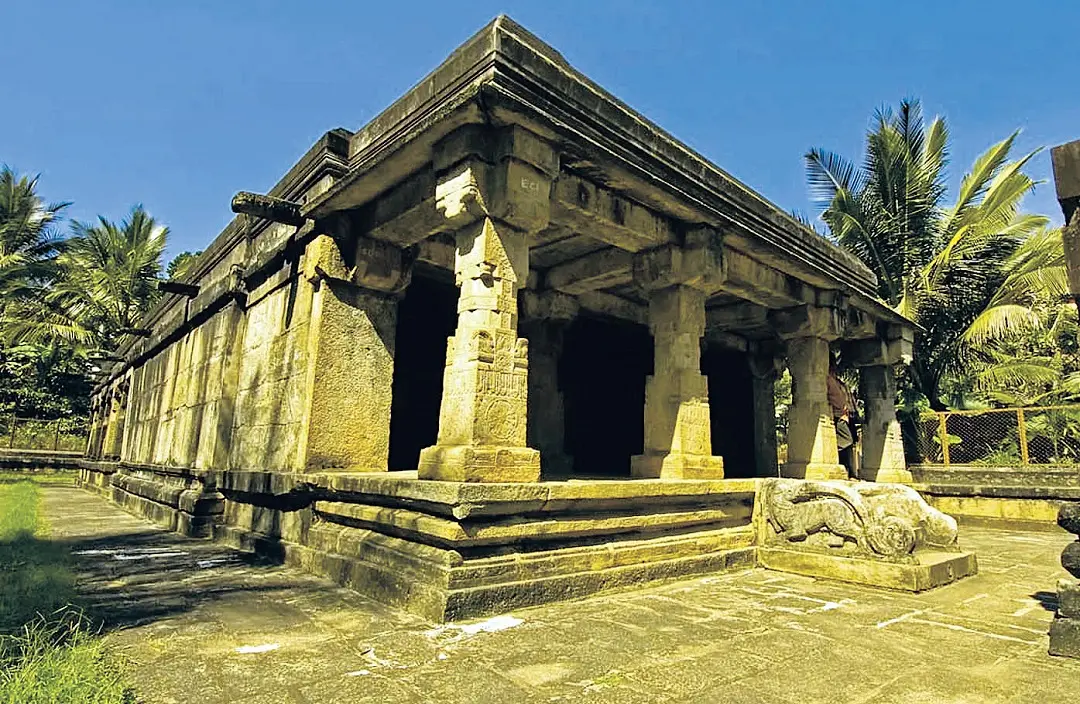
BJP leader K Surendran, who is contesting from Wayanad in the upcoming Lok Sabha elections, has stirred up the hornet's nest by proclaiming that the name of Sulthan Bathery town would be changed into Ganapathi Vattam if he wins the election. The BJP leader argued that 'Ganapathi Vattam' was the original name of the place before Tipu Sultan invaded the Malabar region 200 years ago. While this statement aligns with the BJP's trend of renaming places based on their own interpretations of history, it would be interesting to know if 'Ganapathi Vattam' had something to do with Sulthan Bathery.
Speaking to Mathrubhumi, noted historian M G Sasibhooshan said that the name 'Ganapathi Vattam' originated from the prominent temple that once existed in the area. He points out that the name is also mentioned in William Logan's Malabar Manual as well as in the Gazette.
"During Hyder Ali's invasion, the Jain temple located in the area was destroyed along with an Amman Kovil and the Ganapathy temple. We need to understand that temples used to be places of wealth. Therefore, the temples were looted. Hyder Ali was tolerant and tried to avoid vandalising religious places. The idols were seized from these temples and sold to the French. However, Tipu used to be less tolerant compared to his father. At the same time, Tipu used to provide donations when complaints were raised against the destruction of temples. This is a historically verified fact," he said.
Meanwhile, historical documents reveal that Tipu Sultan used the Jain temple as a battery (ammunition store) for his army, and the place came to be known as 'Sulthan's Battery' or Sulthan Bathery. The name 'Ganapathi Vattam' originated from the Maha Ganapathy temple which is believed to have been built around the 12th century.