The biggest challenge before new HAL chief Kota Ravi
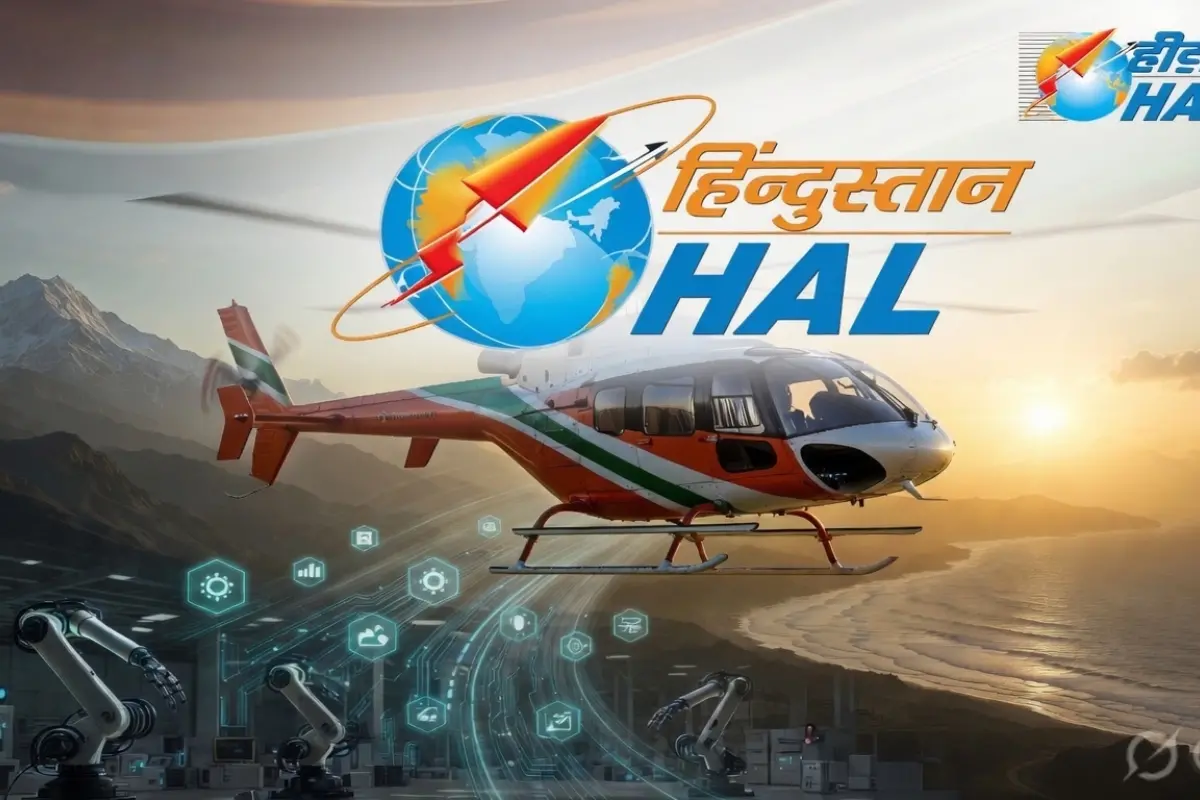
There is happy news for every Indian who feels proud about our country's defence strength. Hindustan Aeronautics Limited (HAL), our biggest aircraft-making company, is ready to keep building its famous ALH Dhruv helicopter for another 8 to 10 years.
This means Indian factories will continue making this trusted machine till the mid-2030s. The Dhruv is much more than just a flying machine. It is like a faithful sky-friend who carries our soldiers to the border, helps the Coast Guard save lives at sea, lifts injured people to hospitals, and rescues villagers stuck during floods.
By early 2026, the 5.5-tonne twin-engine Dhruv has become the real backbone of India's military helicopter fleet. Around 440 to 450 Dhruvs have already been built, up from 400 in early 2024. According to a detailed report published by Defence.in, when other big projects like the LCA Tejas fighter jet faced production delays, the Dhruv team worked harder and delivered more units. In simple words, when one team slowed down, another stepped up to keep our defence dreams flying high.
New orders have made the future even brighter. In March 2026, the Indian Coast Guard signed a deal worth ₹2,901 crore for six advanced ALH Mk III helicopters. These machines will guard our long coastline, help fishermen lost at sea, and chase smugglers in deep waters. On the civilian side, Pawan Hans placed an order for 10 Dhruv NG helicopters in late-2025. These will fly oil workers to offshore platforms like Bombay High and rush patients during medical emergencies.
Globally, sales are still slow, but interest is rising from countries in South America and Southeast Asia. They see Dhruv as a tough, affordable, and modern machine. HAL's March 2026 financial papers show that existing orders alone can give the company steady income for the next 7 to 8 years. This is huge — many companies do not even know what next year will bring, but HAL's order book is already full. The pipeline includes the utility Mk III and the armed Mk IV Rudra, which protects our troops during combat operations.
Our armed forces need more than 500 Dhruvs in total, so fresh orders will surely come. The biggest reason for extending production is the new Dhruv NG, which made its first flight on December 30, 2025. This upgraded version is a major leap forward. It uses two indigenous Shakti 1H1C engines fully made in India, has special vibration-reducing systems for smoother flying, and a modern glass cockpit with digital screens. With a top speed near 285 km/h, it has cleared European safety standards (EASA), opening doors for export. In simple words, the world is now ready to trust an Indian-made helicopter.
The Dhruv also fills a vital middle space. It works as a bridge between smaller Light Utility Helicopters (LUH) and the bigger upcoming Indian Multi-Role Helicopter (IMRH). Until those projects fully mature, Dhruv will remain India's main flying workhorse for troop movement, disaster relief, and combat support. Even after the last new helicopter rolls out, the existing fleet of 400-plus machines will need repairs, spare parts, and mid-life upgrades for the next 25 to 30 years. This means steady jobs and skill-building for thousands of workers across India.
But Chairman Kota Ravi has serious challenges to handle. The first headache is the GEM Portal, which always picks the cheapest supplier. For a critical machine like Dhruv, "cheapest" is not always "safest". Poor quality parts can put pilots' lives at risk. Another big problem is the unfair quote validity rule. Once a vendor submits a quote through GEM tender, there is no fixed time for HAL to open it. They casually ask for 180 days validity from suppliers. In today's global market, where raw material rates and currency values change almost every week, no honest supplier can hold the same price for 180 days. This is purely a lethargical approach of HAL, which forces good vendors to either inflate prices or simply walk away.
Reverse auctions after tender opening are another worry. The process lacks full transparency, and many believe it is being twisted to favour selected suppliers, especially in the HAL Kanpur division. This kills fair competition and damages trust. Industry 4.0 adoption is also weak. This means using smart robots, digital tracking, and automation inside factories to improve speed and quality. Without these, HAL will fall behind global rivals. Most importantly, ground-level workers must be trained properly so they welcome new technology with confidence, not fear.
Accountability is the biggest missing piece. The Integrated Material Management (IMM) system in key divisions like LCA and the Bangalore helicopter complex must be cleaned up. Material delays, planning mistakes, and zero responsibility are pulling HAL down. Clear duties, faster decisions, and reward-for-performance culture can change everything. Chairman Ravi, please don't delay these fixes. Bringing transparency, automation, training, and accountability can lift Dhruv and HAL to truly world-class levels. The Dhruv already shines as a symbol of India's "Atmanirbhar Bharat" spirit.
The coming decade looks bright. More orders, smart upgrades, and long-term maintenance work will keep the Dhruv family active and strong. For soldiers on icy Siachen, sailors on the deep sea, and common citizens during floods, this home-grown helicopter means hope, safety, and pride. Under focused leadership, HAL can make sure Dhruv keeps serving India for many more generations.