Food addiction decoded: How chips, cola and snacks are designed to drive overconsumption
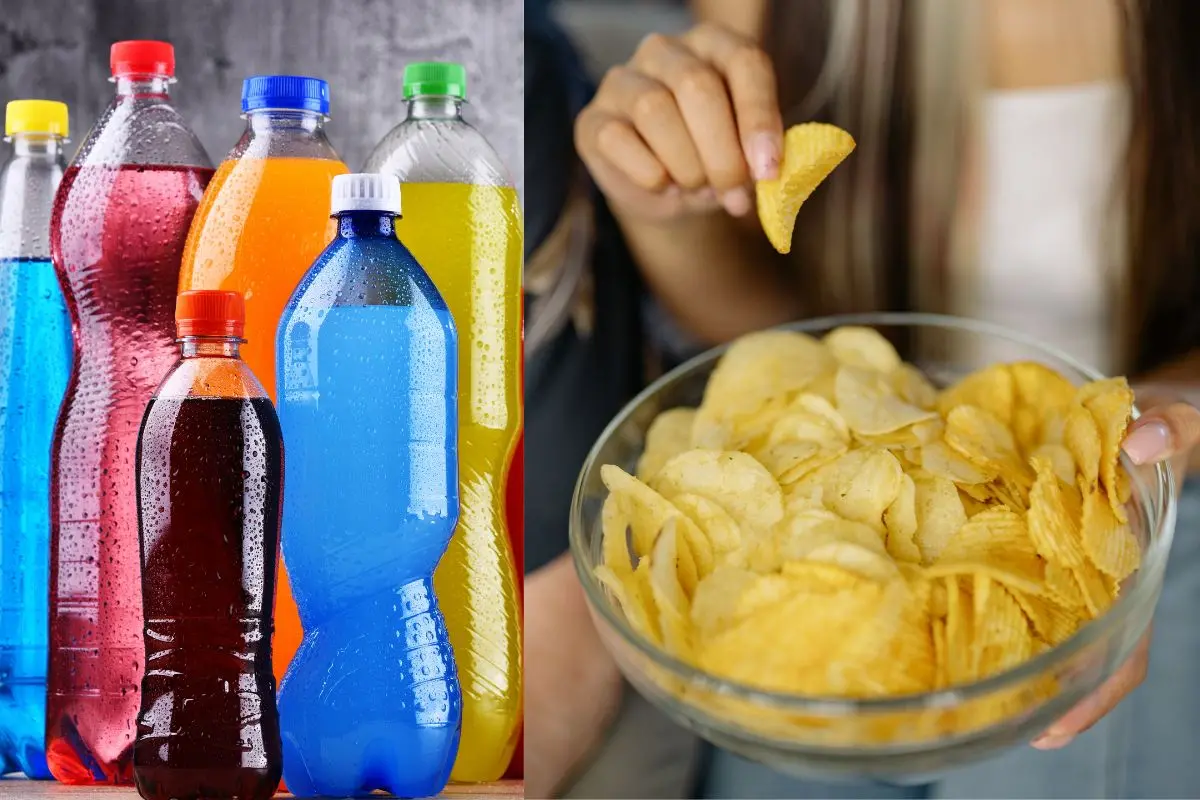
Michael Moss’ ground-breaking investigation into the food industry, which deliberately designs products to hit the ‘bliss point’, revealed systematic efforts to engineer foods for maximum palatability and overconsumption. His Pulitzer Prize-winning book Salt Sugar Fat: How the Food Giants Hooked Us (Random House, 2013) exposed how the precise combination of salt, sugar and fat can trigger maximum craving.
Moss’ research uncovered that scientists calculate the combination of sugar, fat and salt (‘bliss point’) for convenience foods that are guaranteed to have optimal appeal for the customer. Through extensive interviews with food industry executives and scientists, Moss documented how companies like Kraft, Coca-Cola, Frito-Lay and Nestlé systematically engineered their products to be irresistible, often at the expense of public health.
The term 'bliss point' was coined in the late 1990s by American market researcher and psychophysicist Howard Moskowitz. He defined it as “that sensory profile where you like food the most”; think Goldilocks’ quest for the perfect porridge — a food at its bliss point will make the eater feel there is not too little or too much, but the “just right” amount of saltiness, sweetness or richness (from the fat). This perfect blend makes the eater reach out, demanding “Yeh Dil Maange More!”. The ‘bliss point’ is manipulated by food companies to ensure that you simply refuse to have only one piece of French fry, but you need to gorge on a big pack for happiness.
Moss demonstrated how the processed food industry, generating $2 trillion in annual sales, has contributed to a public health crisis, where one in three adults and one in five children in the United States is clinically obese. The broader food market in the U.S. is expected to grow by 6.24% annually between 2026 and 2031, with total food market revenue expected to reach $9.67 trillion globally by 2026.
Ultra-processed foods are made possible by use of many types of additives, including so-called ‘cosmetic additives’ – substances that mimic or enhance the sensory qualities of foods or culinary preparations. There is a highly competitive, secretive and successful food industry that makes junk food — sodas and sauces to chips, cookies, chocolates, cereals, and even artificial sweeteners — as addictive as possible so that humans keep on gorging.
The modern food environment has undergone a profound transformation over the past several decades, with ultra-processed foods (UPFs) now dominating food systems in high-income countries and rapidly expanding in middle-income nations. Central to this transformation is the deliberate engineering of foods to maximise palatability and consumption through what has been termed the ‘bliss effect’ – a phenomenon where combinations of specific nutrients create synergistic sensory experiences that override normal satiety mechanisms. Moss revealed how food scientists calculate the ‘bliss point’ of sugary beverages and enhance the ‘mouthfeel’ of fat by manipulating its chemical structure, exposing marketing techniques borrowed directly from tobacco company playbooks.
Food industries employ a strategy — the science of engineered palatability, called the ‘bliss point’ – the ideal amount of High Fat High Sugar (HFHS) that is impossible to resist. This carefully calibrated combination activates maximum dopamine release, associated with increased craving and overconsumption. The concept extends beyond simple taste preference to encompass multiple sensory dimensions that food technologists manipulate to create what researchers term ‘engineered hyper-palatability’.
HFHS diets profoundly reshape the brain’s reward circuitry, promoting tolerance, craving and compulsive consumption that mirror drug addiction or substance addiction. The combination of sugar and fat causes a stronger, more addictive dopamine release than either component alone. Foods high in fat and sugar activate reward zones in the brain, such as the ‘nucleus accumbens’, which can increase dopamine levels by up to 200%—a surge similar to those seen with alcohol, drugs and nicotine.
When fat is detected in the upper intestine, it triggers a signal through the vagus nerve to the brain's reward centres. This is known as the gut-brain link.
Opioid system activation occurs when salt, in particular, can spike opioid system activity, intensifying the brain's reward response. Food manufacturers meticulously design engineered addictive products to hijack these neural pathways, often using scientific research to optimise taste. These foods are designed to be irresistibly enjoyable but never fully satisfying, leading to overconsumption.
The combination of textures—such as a crunchy coating with a soft centre—induces hyper-palatability, which further stimulates the brain’s pleasure centres. Prolonged consumption of these foods can lead to downregulation of dopamine receptors, meaning consumers require more of the substance to achieve the same reward, mimicking the tolerance seen in drug addiction. Hidden additives, often hidden sugars and fats, are used to ensure rapid blood sugar spikes. For targeted marketing, the industry uses emotional testing, such as eye-tracking and facial recognition, to find the most enticing flavours and textures.
High-fat, high-sugar (HFHS) diets have a profound impact on the mesocorticolimbic reward system, altering the function of both dopamine and opioid signalling. Evidence from animal and human studies shows that acute consumption of HFHS foods produces supra-additive effects, boosting dopamine release, which reinforces repeated intake. The opioid system also contributes to stress-related comfort eating. The behavioural and neurochemical similarities between substance use disorders and overeating were the basis for the original formulation of the term “food addiction”. According to this viewpoint, eating can transcend a homeostatic need and develop into a hedonistic phenomenon characterised by impulsivity. Many people experience addiction-like reactions to extremely appetising foods, especially those high in fat and sugar. In these situations, people are predisposed to compulsive patterns of consumption due to a combination of hypersensitivity of the reward circuitry and a lack of cognitive control.
The evidence suggests that engineered hyper-palatability in ultra-processed foods (UPFs) represents a significant factor in the global obesity epidemic and related metabolic disorders. The Yale Food Addiction Scale, developed to measure addictive eating behaviours, has found that approximately 15–20% of adults may meet criteria for food addiction, with higher prevalence among individuals with obesity.
The 'bliss effect' fundamentally disrupts normal appetite regulation mechanisms. After a dopamine spike from consuming ultra-processed foods (UPFs), the brain crashes, leaving one irritable, tired and hungry for more, creating an addiction cycle based on physiological brain adaptations rather than purely psychological factors. This disruption occurs through multiple pathways. The rapid absorption of refined carbohydrates and fats in UPFs bypasses normal satiety signalling, while the specific combinations of nutrients create reward responses that override homeostatic feeding controls. The result is what researchers term ‘conditioned hyper-eating’ – a learned pattern of compulsive consumption driven by the rewarding properties of these foods rather than energy needs.
In some high-income countries, UPFs now constitute over 60% of dietary energy intake, fundamentally altering traditional dietary patterns and contributing to the global epidemic of obesity and non-communicable diseases. The 'bliss effect' in ultra-processed food formulation represents a critical factor in understanding the modern obesity epidemic and related health challenges.
It is not only human beings but even domestic pets, when fed processed pet foods, get quickly addicted and thereafter refuse to eat normal food. Most processed pet foods contain high-fat, high-salt and chemical palatants like animal digest that make them highly addictive and palatable, overriding natural satiety in pets. This addiction is driven by manufactured, odour-enhancing additives (e.g., putrescine and cadaverine) that trigger strong dopamine responses, often causing pets to act like drug addicts and food addicts.
As Donna Maltz observes in Conscious Cures: Solutions to 21st Century Pandemics — “The industrial food complex polluted our food system to please the addicted palates they created.”
The author is former Director General of National Academy of Customs, Indirect Taxes & Narcotics